What kind of materials will be stored in your metal warehouse?
What minimum height or maximum external height do you think would fit your PEB structure warehouse?
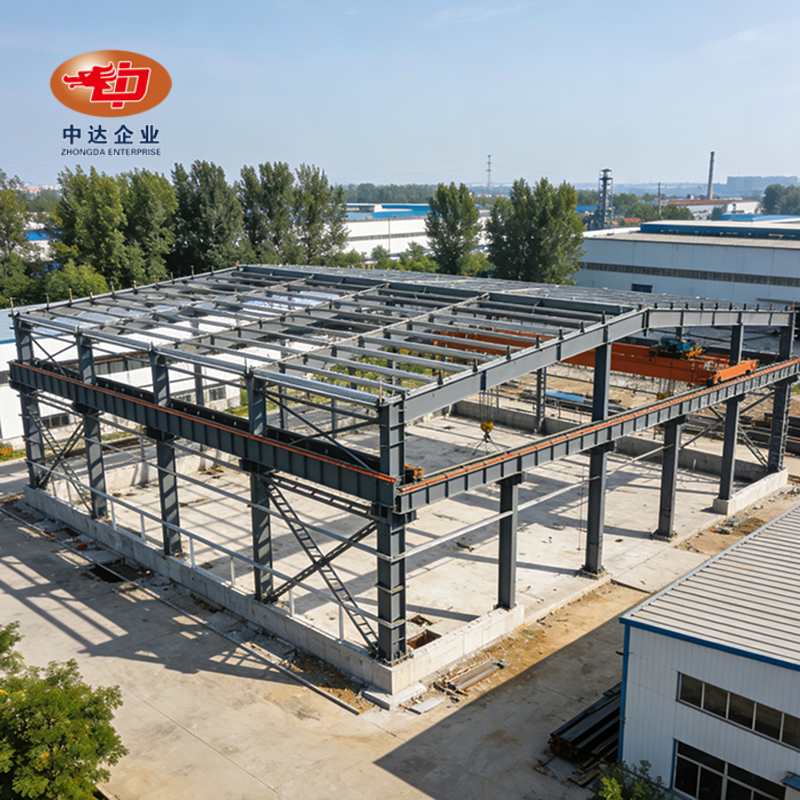
Will you be attaching any kinds of machinery or overhead cranes inside the metal warehouse?
Note: If you want our first rough drawing and suggestions, we must already have this information confirmed by you. Your whole costs and the numerous details will be influenced by this.
Please make sure that your questions contain the necessary information; thus, our friendly cooperation will be more efficient and data-driven.
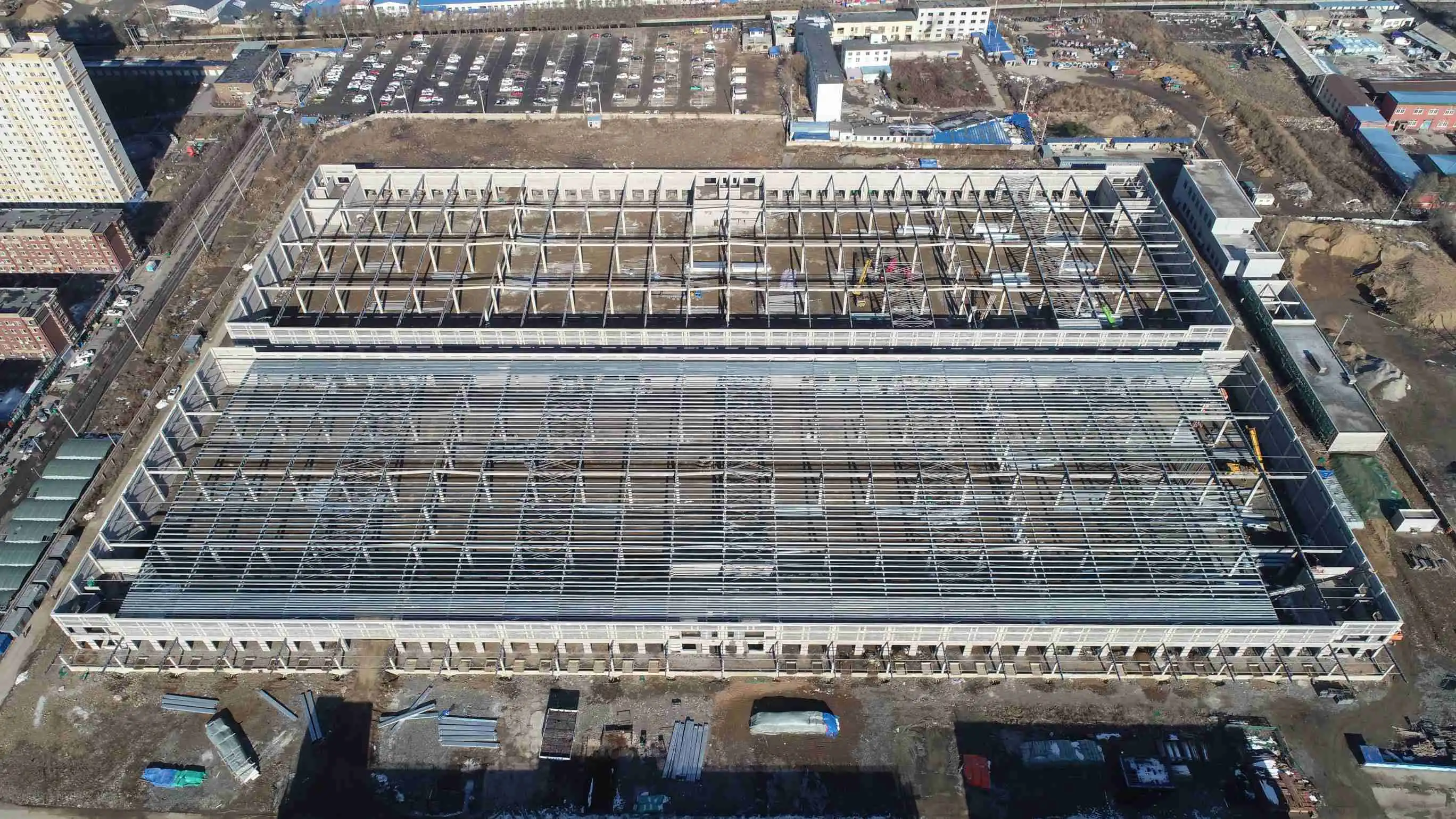
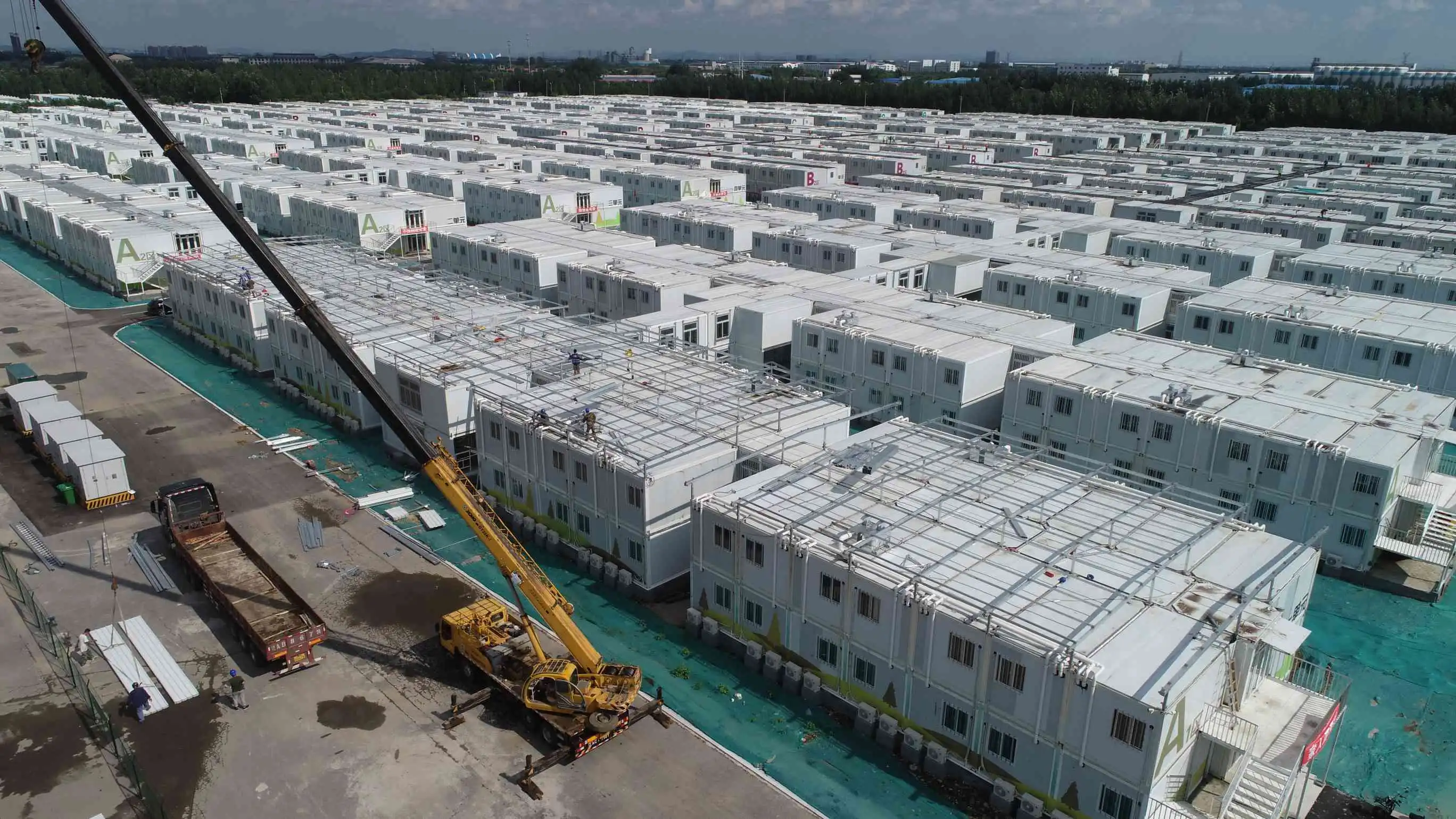
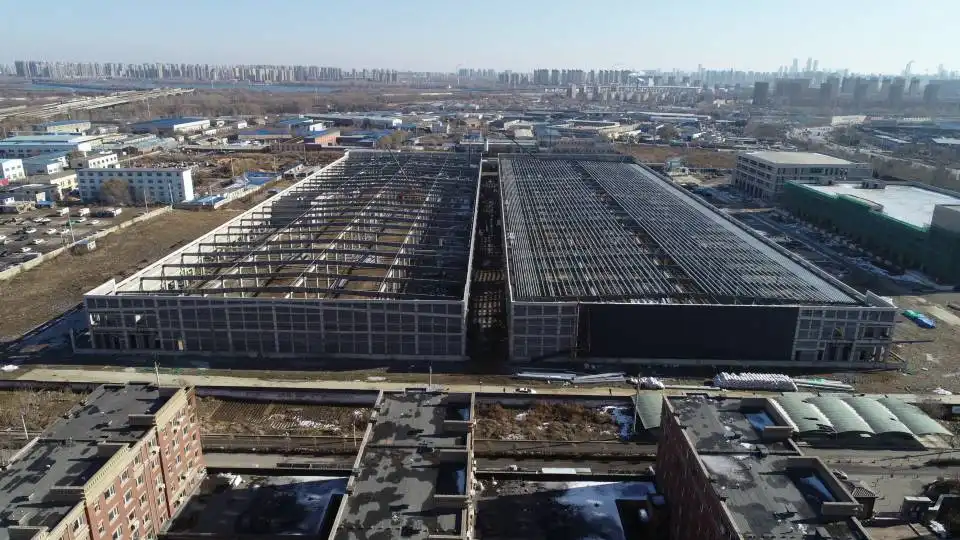
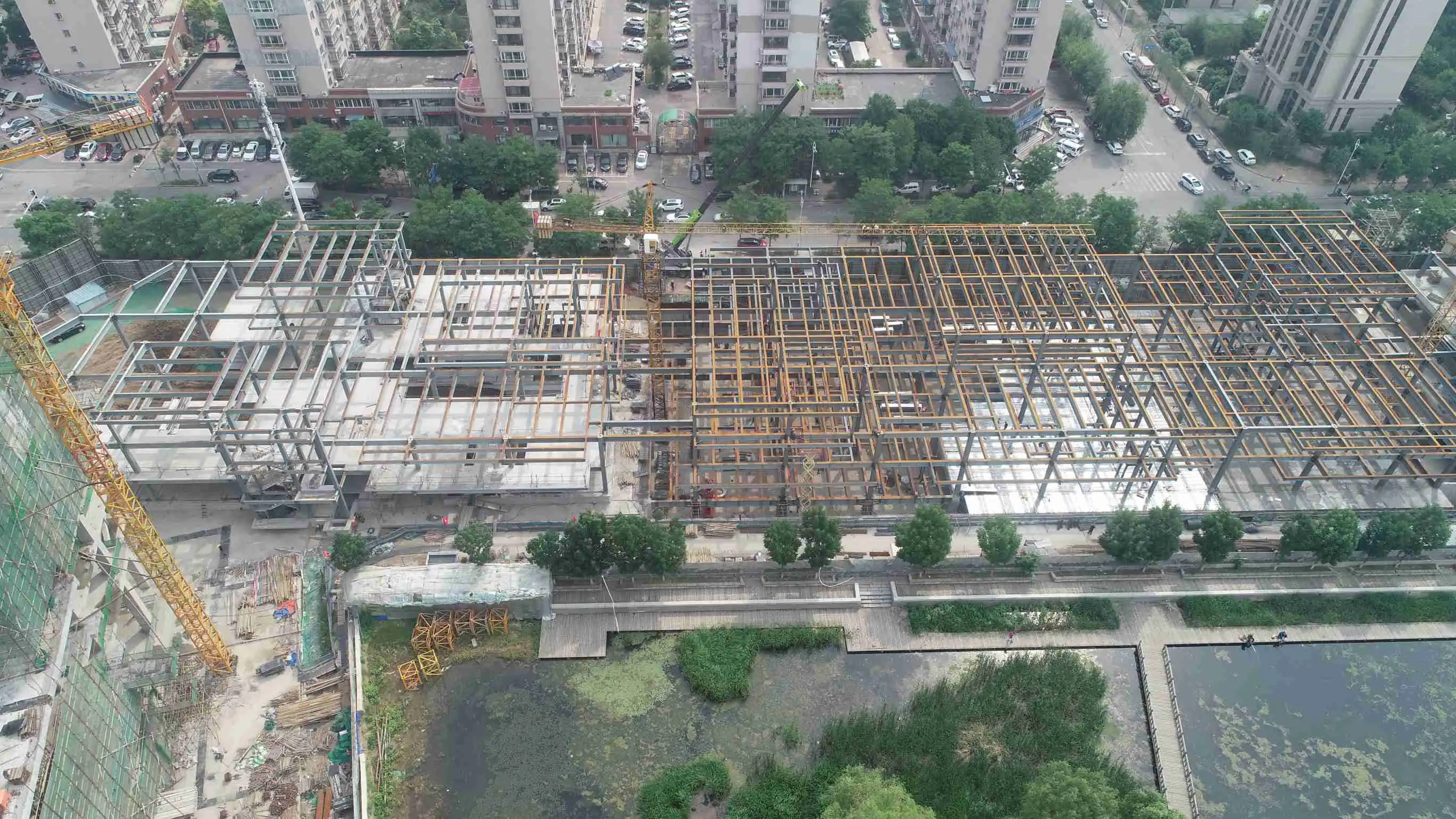
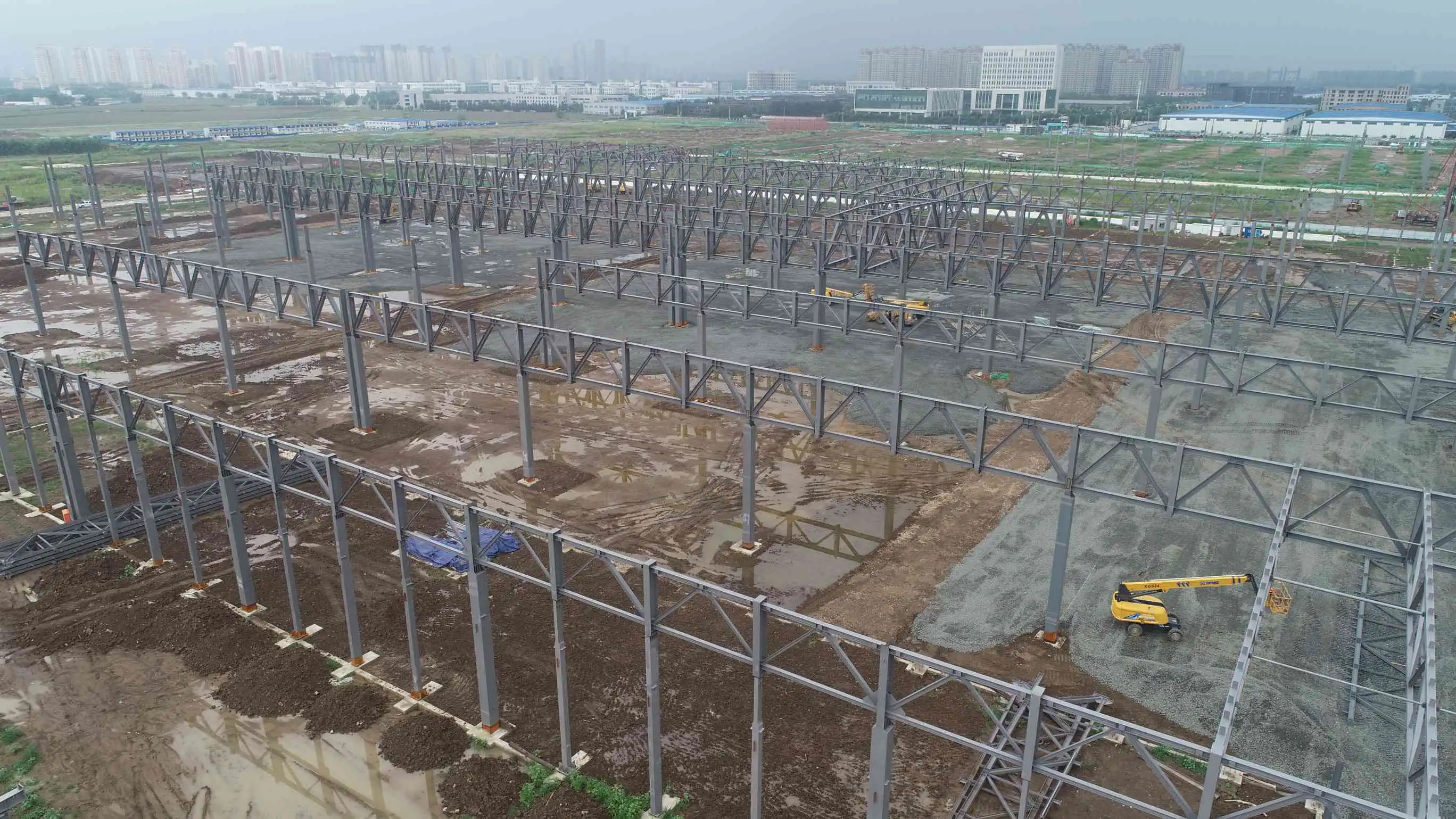
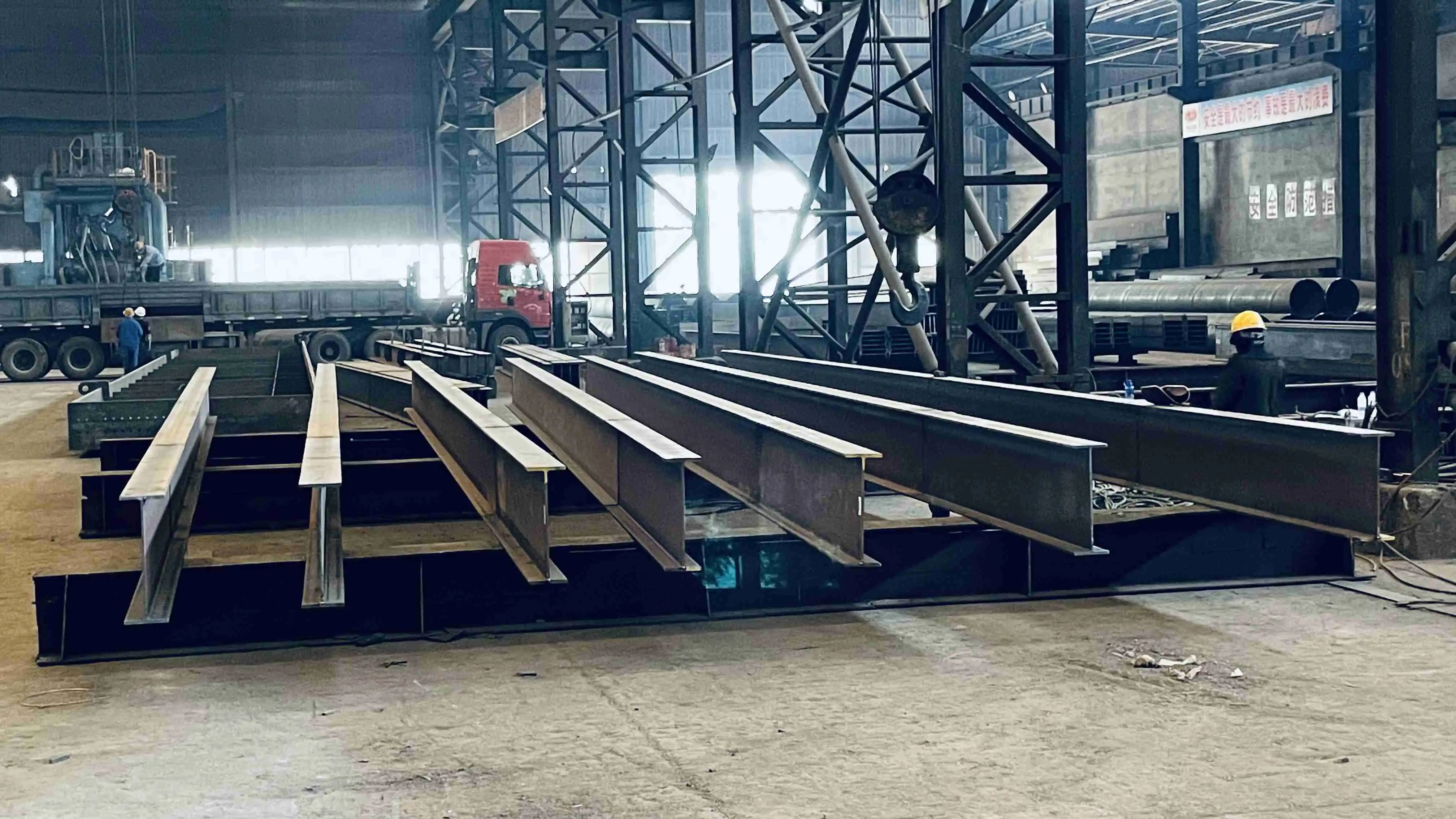
1. Revision of PEB Structure Warehouse Specification and Parameter Verification:
Basic dimensions: Length, width, eave height, ridge height, etc., were reconfirmed.
Core load calculation:
Local weather data: Wind load (wind resistance grade), snow load (mainly in the northern areas),and earthquake resistance intensity.
The dead load and the live load: Roof maintenance load, suspended load (e.g., lighting fixtures, fire sprinkler pipes, ductwork).
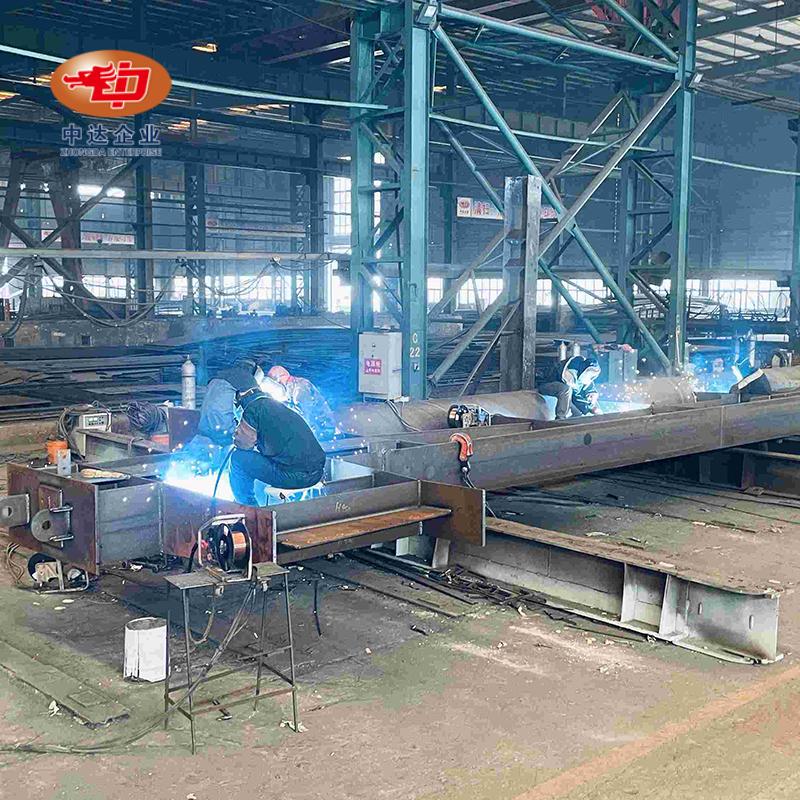
Process load: Will there be crane operation? If yes, what is the tonnage? Span and lifting height? Crane beam and steel columns specifications will be determined by this.
Building envelope: Confirm materials (single-layer color steel sheet Vs sandwich panels/rock wool/PU), thickness, and color.
Main structural framing of steel warehousing unit: The safety of the structure can be thoroughly examined using software such as PKPM or SAP2000, and an optimal design of the beam-column joints (H - section steel) can be achieved not only from the safety point of view but also in terms of steel economy with this type of lightweight construction.
Design of the secondary structural steel for prefabricated warehouse buildings: Replacement of purlins (C-shaped/Z-shaped steel), tie rods, and corner braces.
Node design for prefabricated warehouse buildings: Locating of bolts and welds for beam-column joints and column base connections.
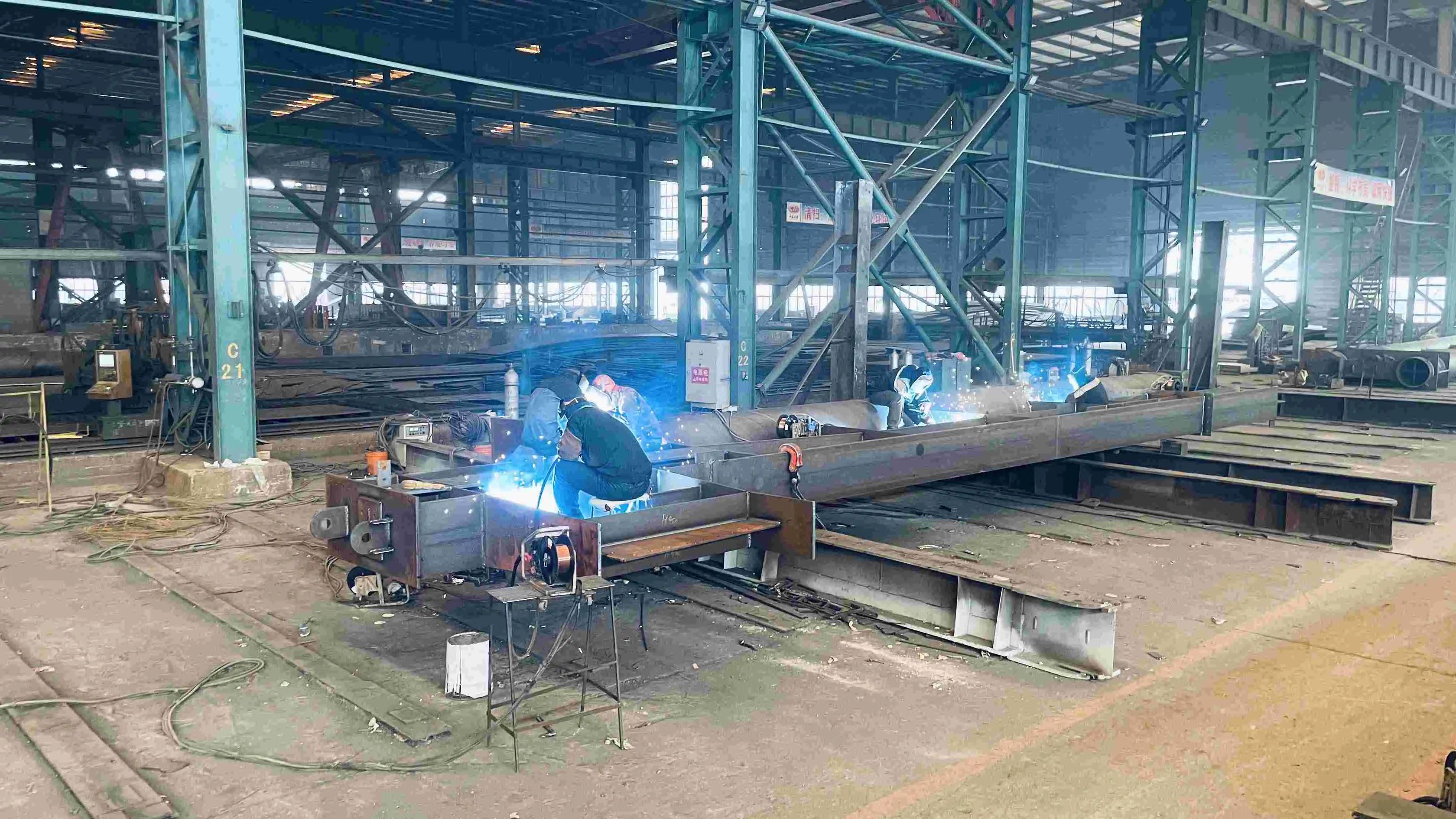
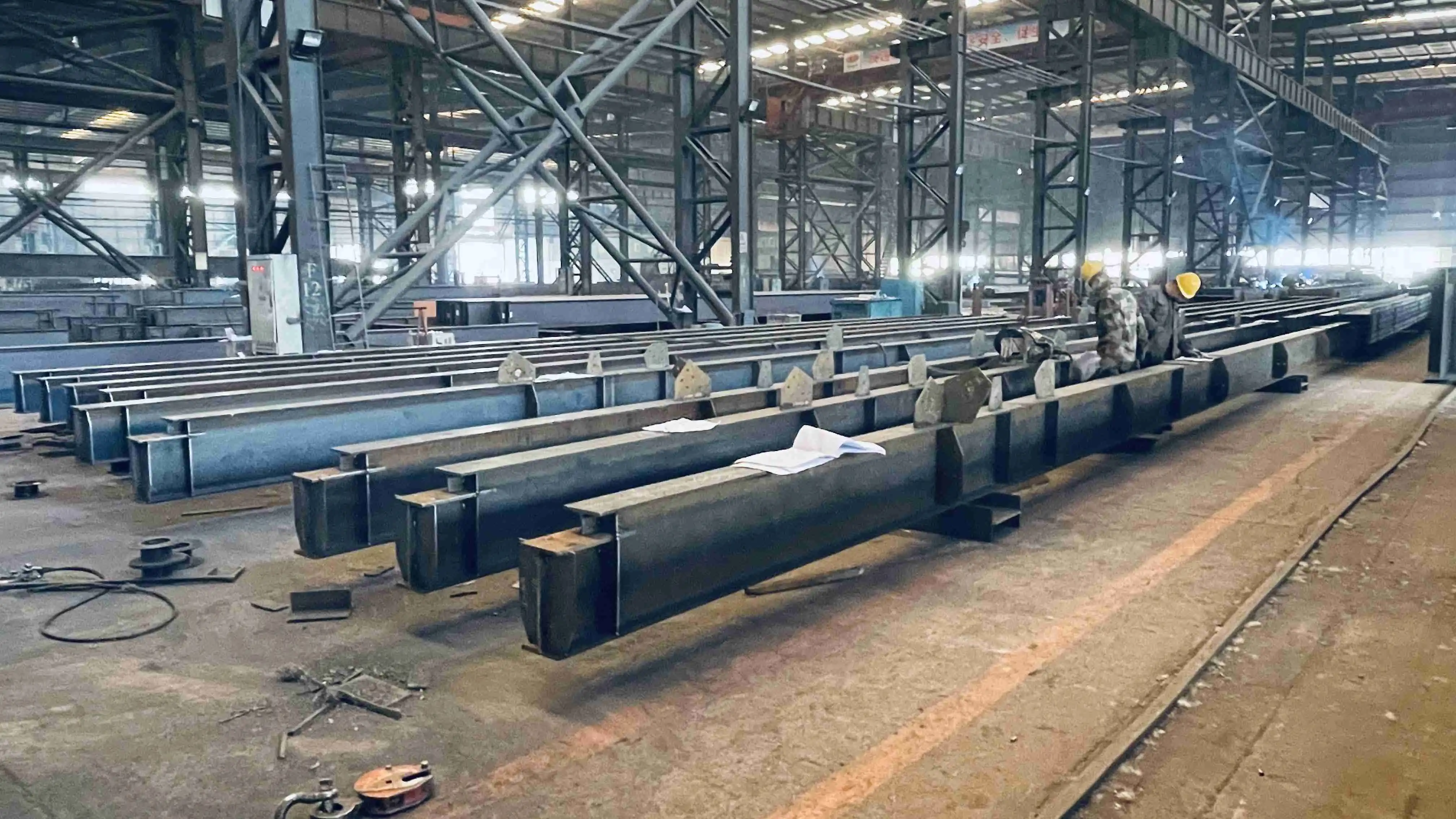
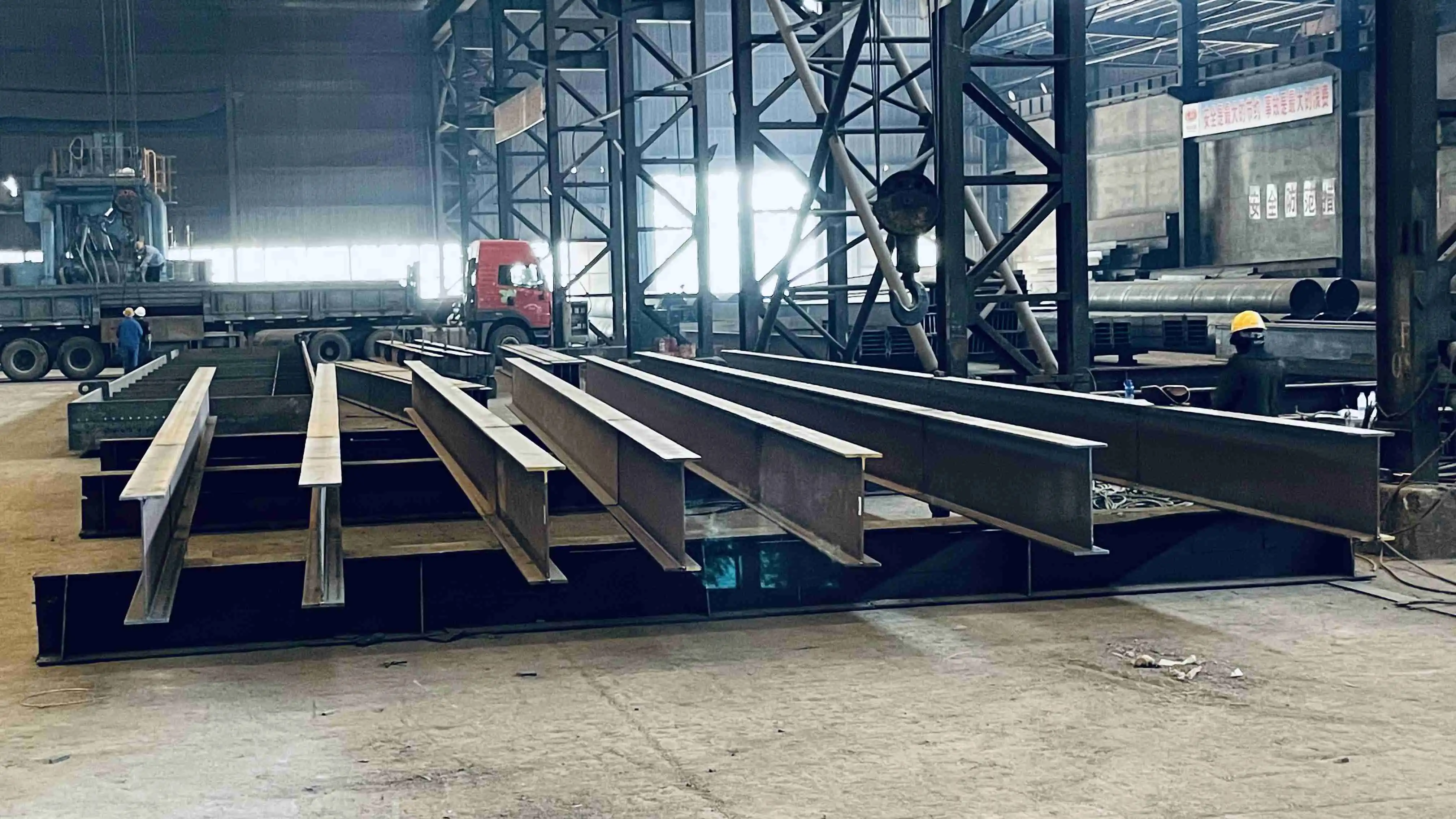
· Architectural Drawings: First-floor plans, building elevations, door and window locations, and drainage system design (gutters, downspouts).
· Structural Drawings: Foundation load diagrams (to be used by the civil engineering for foundation works), structural assembly drawings, and individual member details.
·Detailed drawings (working/construction drawings): Factory fabrication drawings (Tekla modeling), disassembling each component to generate a Bill of Materials (BOM).
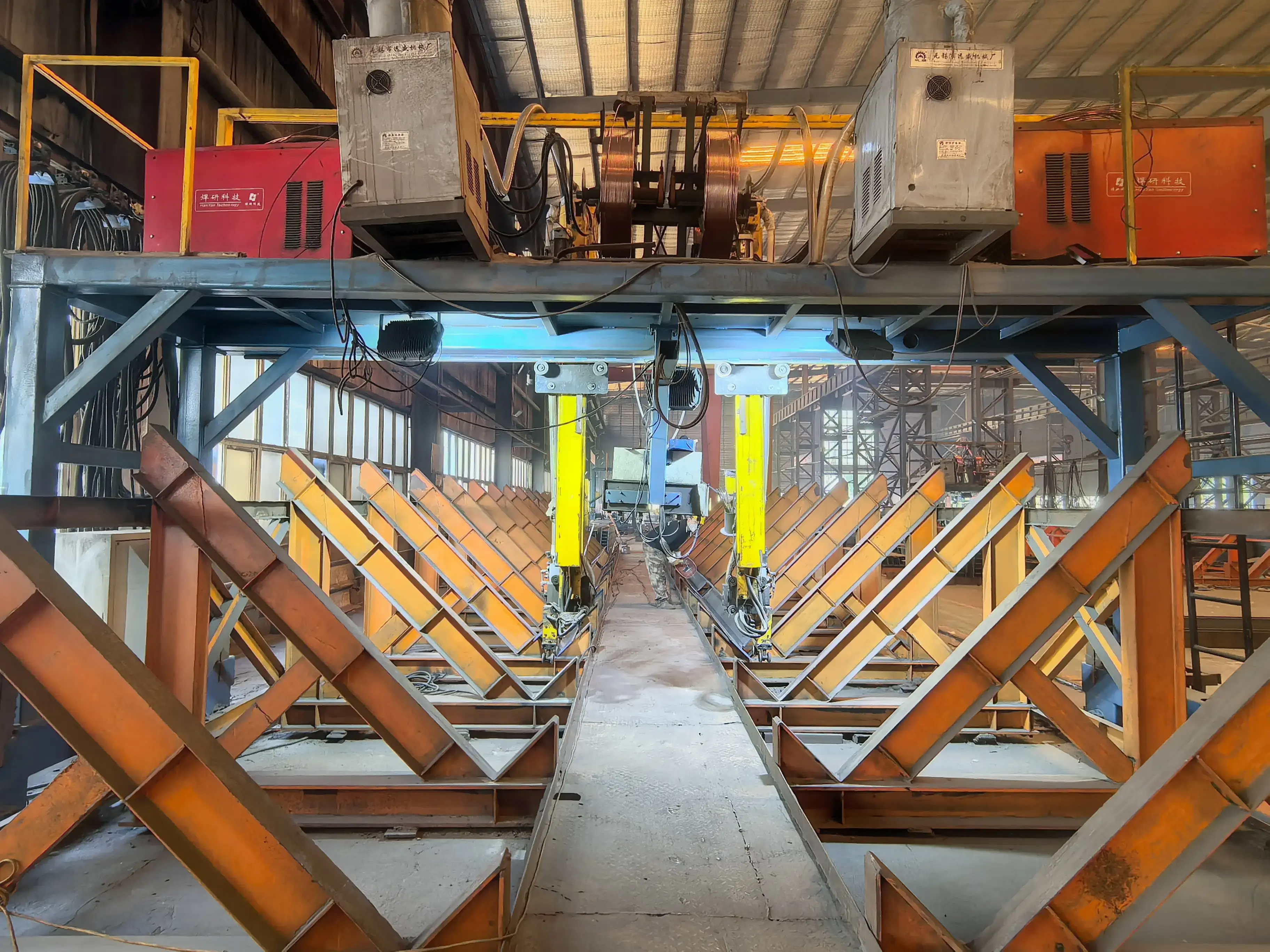
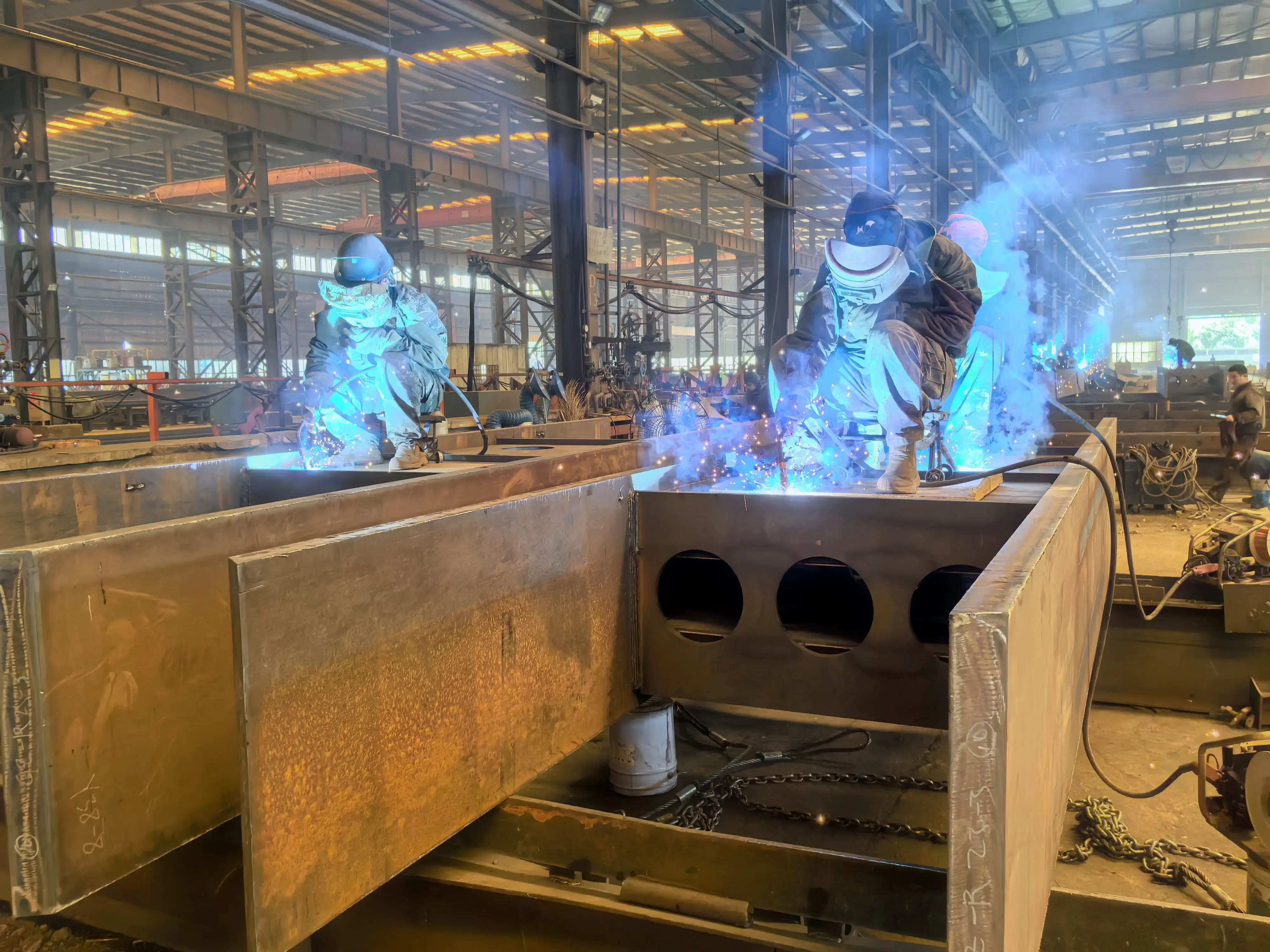
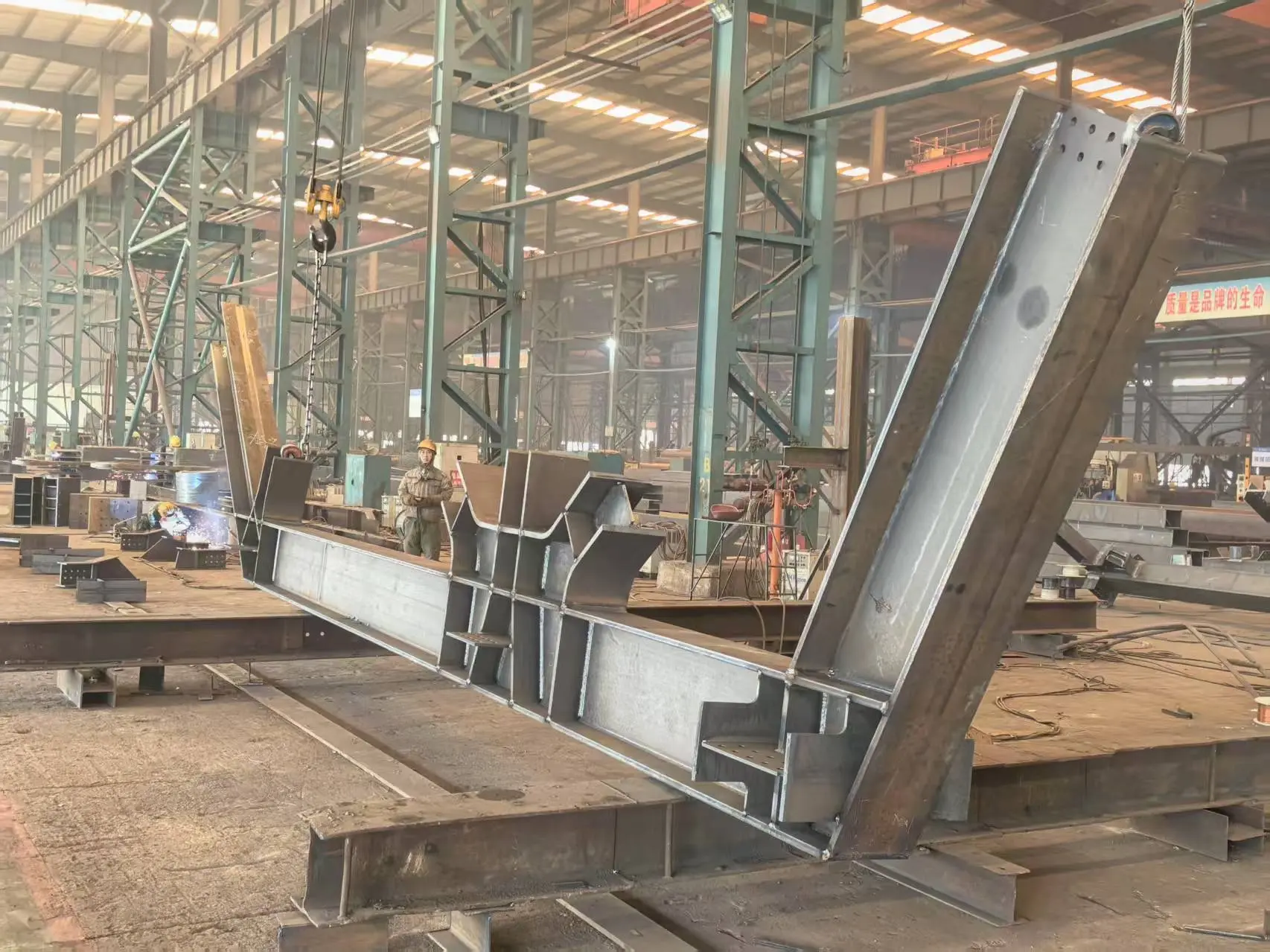
Tackling of Later Adjustments
1. PEB Structure Warehouse After Design Confirmation but Before Fabrication (low risk, mainly time cost)
Typical changes: Client decisions relating to the location of doors or windows, addition of partitions, or increase of building height.
Way of doing it: Designers amend drawings and perform the steel quantity calculation again.
Outcome: Production scheduling at later stages will be delayed; design fees may be increased.
Common changes: Changing the material grades (e.g., Q235 to Q355) or making such significant dimensional changes that the procured steel plates cannot be used for nesting.
Reaction: Immediately issue a "stop order". The losses that have been incurred, customers are the ones who will bear the price differentials of the material.
Typical adjustments:
The finding of defective foundations on-site, the client's last-minute decision to install heavy-duty cranes, or the change of the purpose of prefabricated steel warehouses (e.g., by adding floors).
Way of working:
Scrap, and redo: Drastic, major changes leading to the uninstallation of the entire structure necessitate scrapping.
Change order: All changes must be documented in writing (change orders) with a clear indication of the cost and schedule extension caused by the changes.
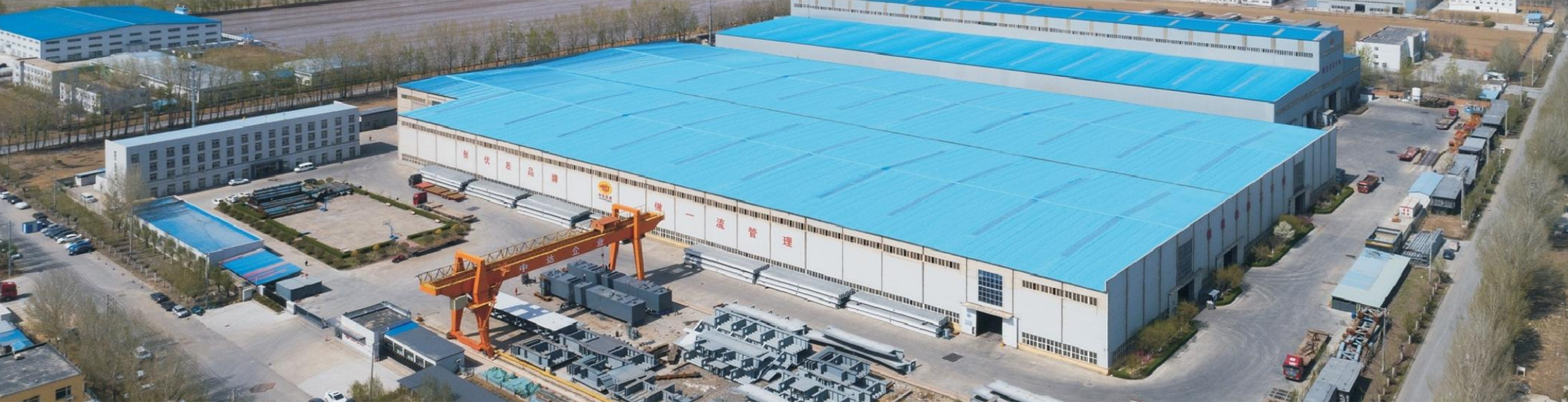
During the preparation and installation stages, the site access roads must be able to accommodate the turning radius and weight of the trailers that are being extended (these trailers are generally used to transport steel components).
Heavy machinery at the installation site such as welding machines should be supplied with electricity from dependable power sources.
Moreover, it is better to have the space ready in advance so that the unloading process can be efficient. So, it is always preferable to pre-arrange the space for unloading.
The client representative should attend the main structure handover to prevent any unforeseen delays.