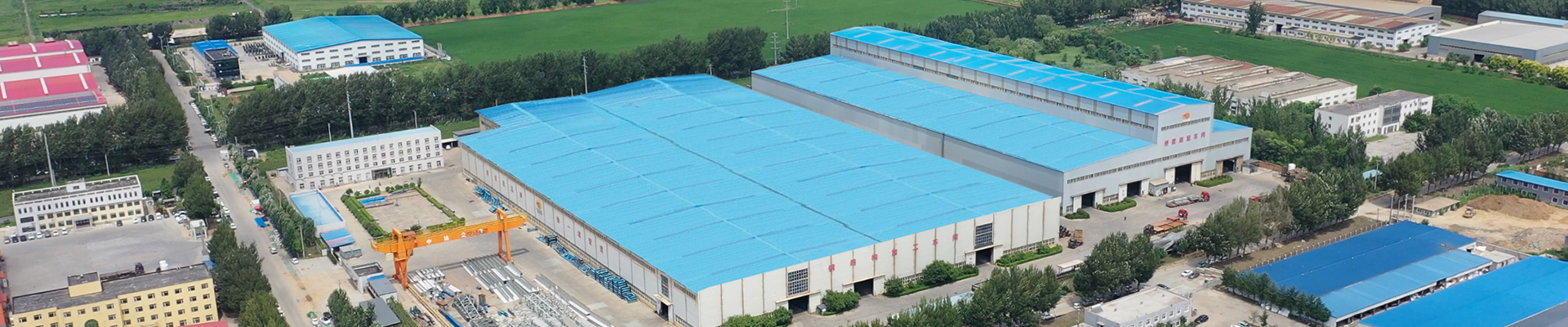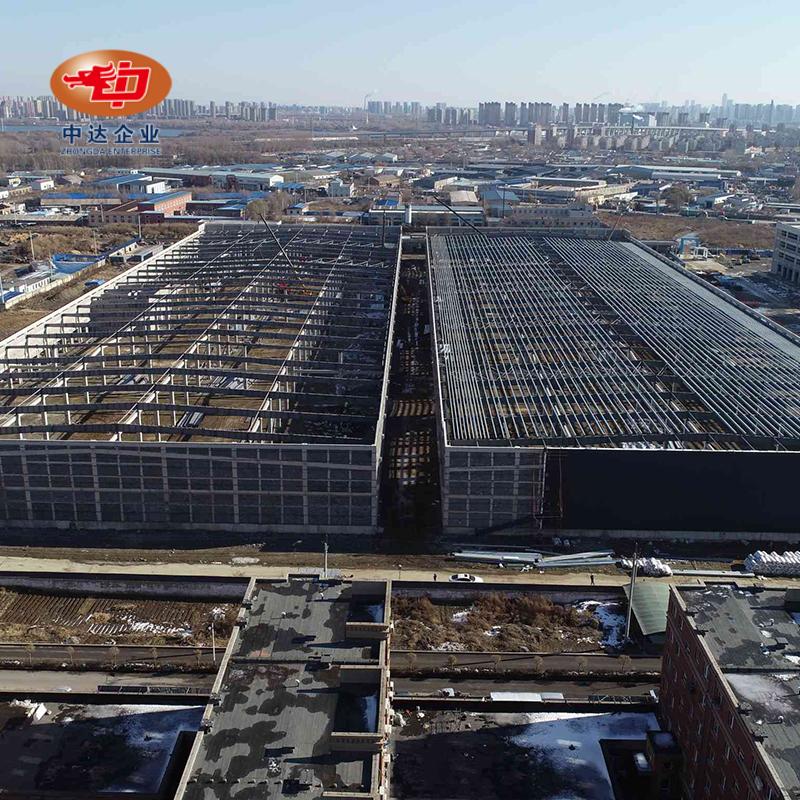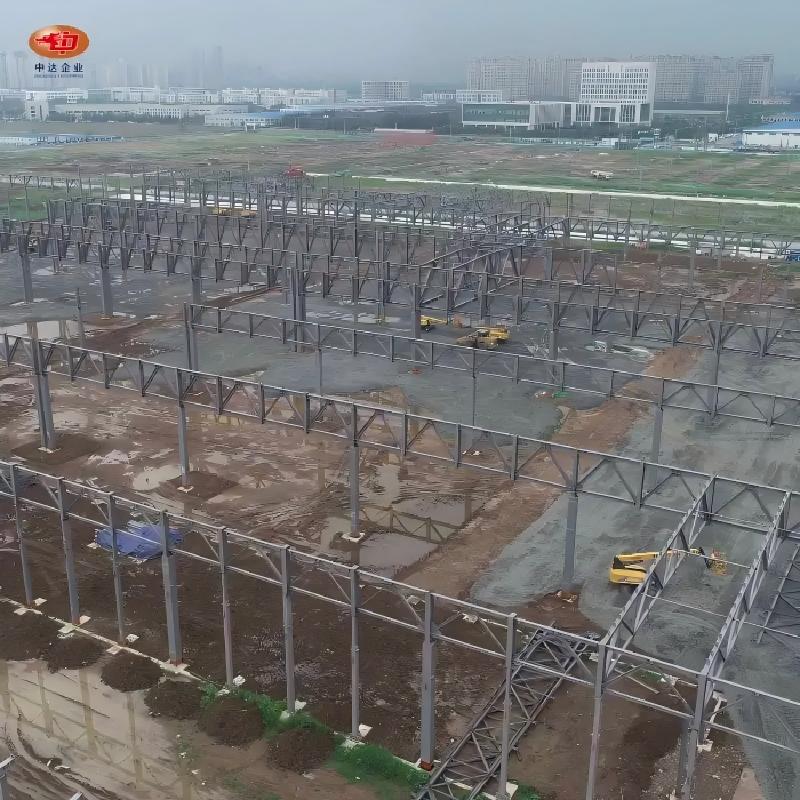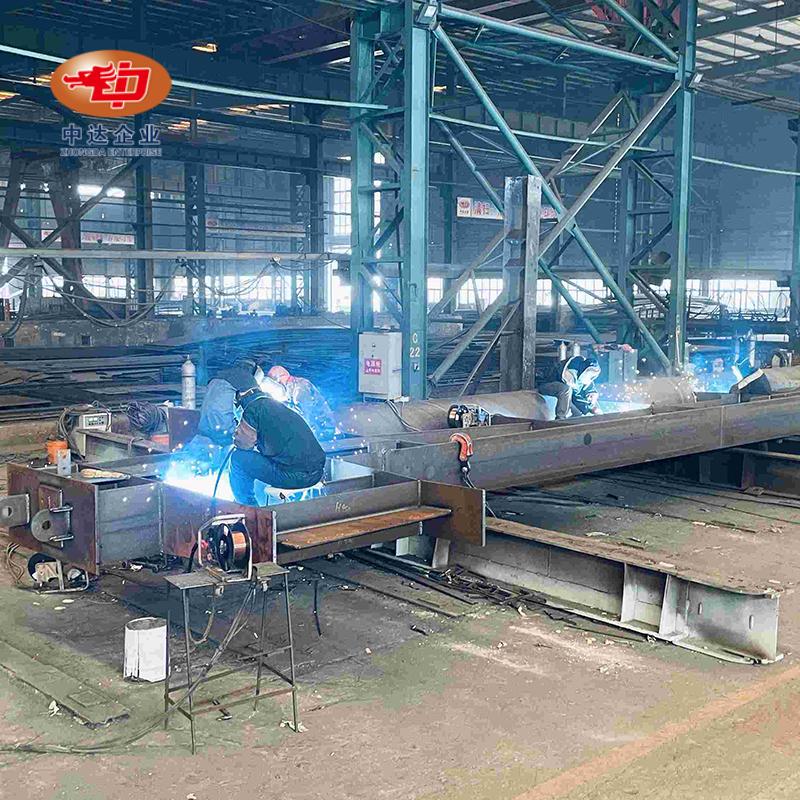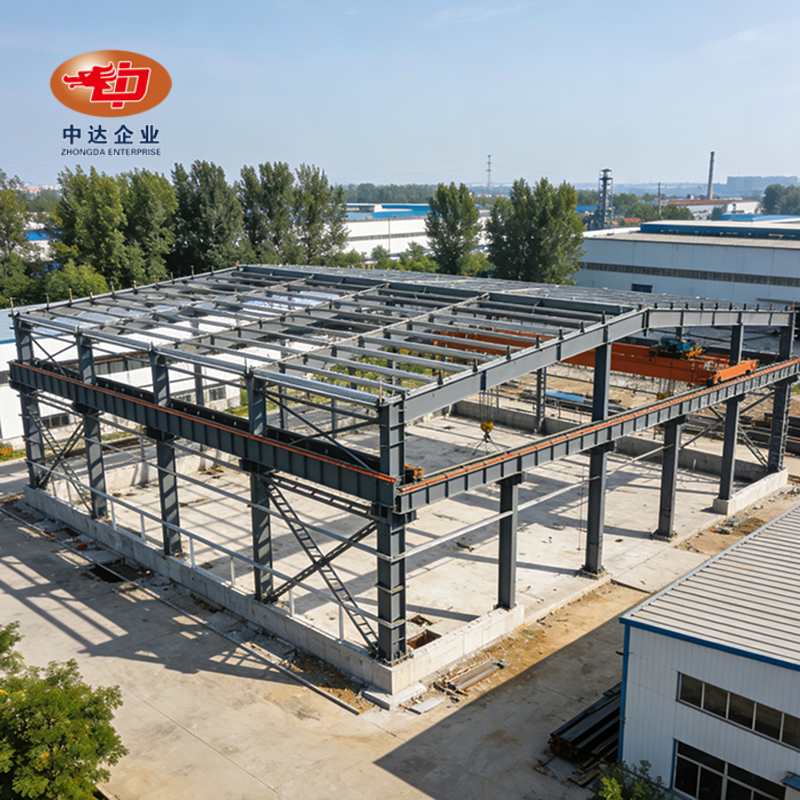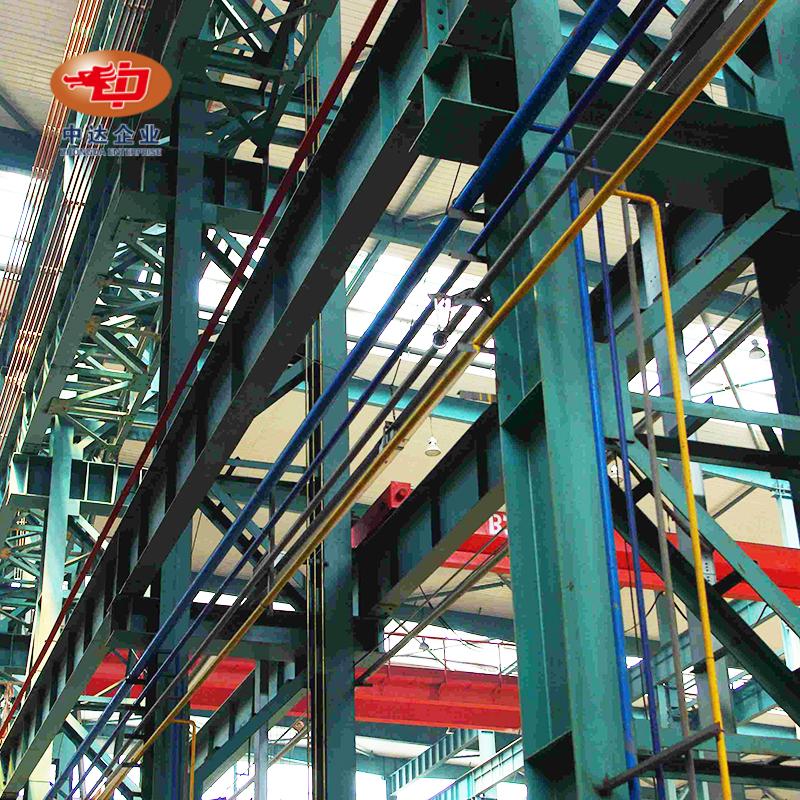
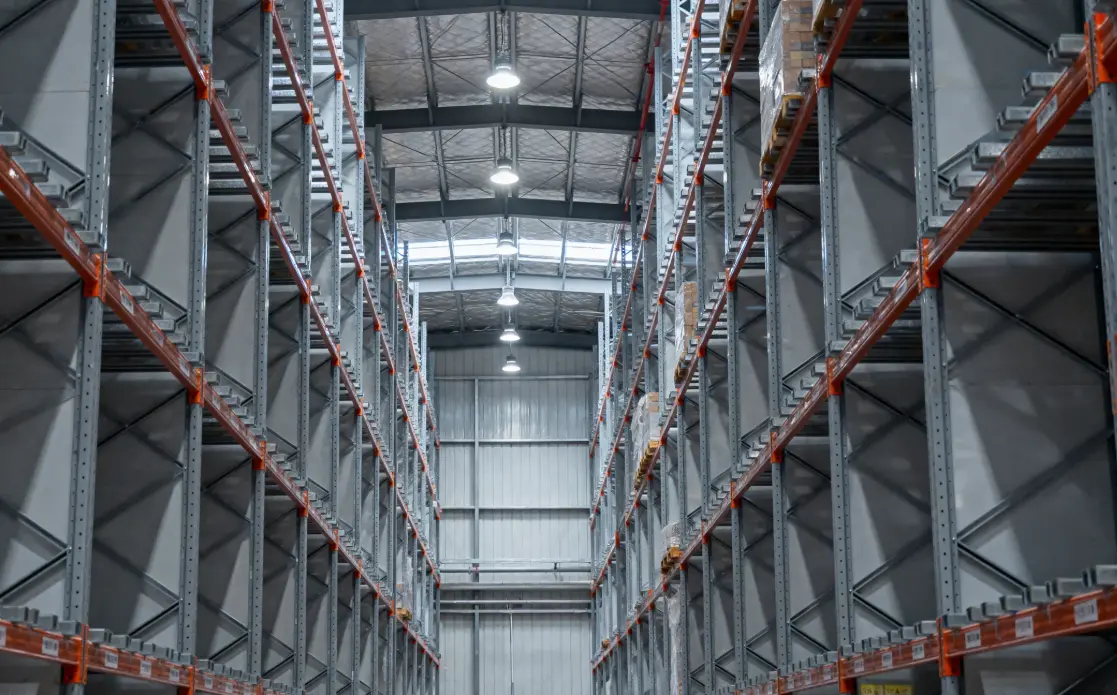
One major benefit of prefab metal warehouses that led to factories and warehouses choosing these buildings initially, is that they don’t require intermediate columns which therefore can cover a lot of space with just one roof. Steel is extremely light and, at the same time, very strong, so it is possible to cover very large spans (even over 60 meters) without having a supporting column in the middle. As a result, warehouses no longer restrict the movement of forklifts or the installation of large production machines or the establishment of production lines.
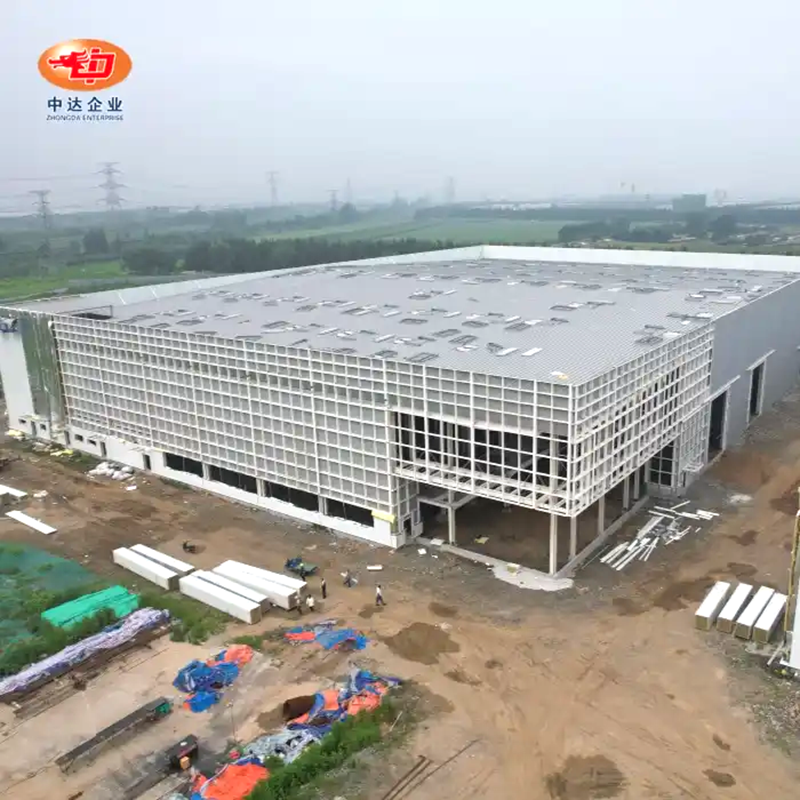
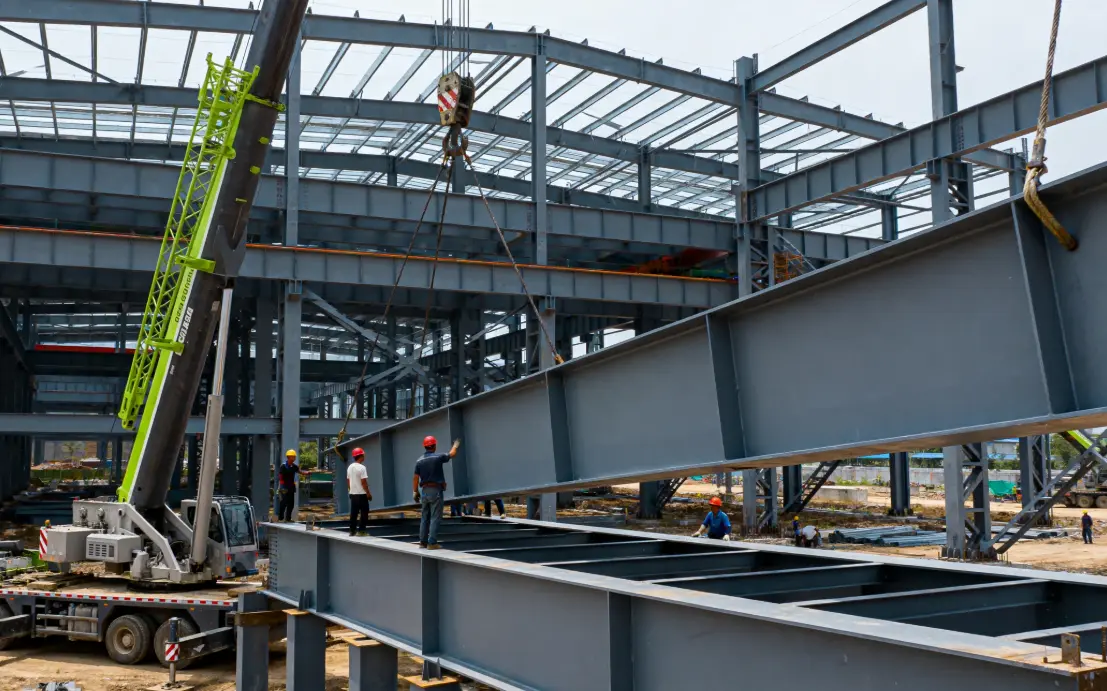
The steel beam warehouse consists of the majority of prefabricated parts which implies that on the site work is mainly just bolt connections. The construction period of the steel beam warehouse is usually decreased by 30%-50% compared to that of the conventional reinforced concrete building. This certainly signifies a lot of savings for the companies as they will be able to start getting the output even before the initially scheduled time.
Even though the price of steel goes up and down with the market conditions, steel buildings are still likely among the most cost-effective methods of construction when considering the production over their lifetime. One of the reasons is that they require less foundation work (steel is lighter than concrete), they allow for labor cost reduction (due to faster construction), and they are recyclable.
Structural steel frame warehouses, when adequately constructed, are not just capable of resisting extreme winds or snowstorms but also earthquakes.
(Steel is a ductile material and therefore less likely to experience brittle fracture in an earthquake.)
Moreover, the steel components of warehouse buildings are not susceptible to termite infestation and, unlike wood, do not rot.
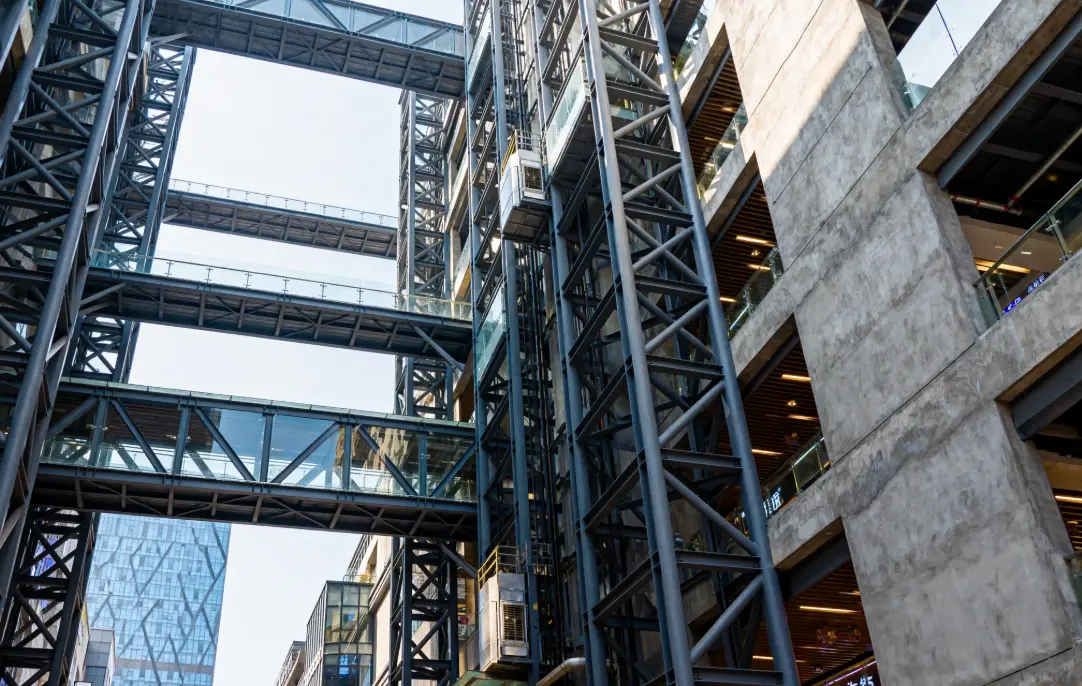
Fire Resistance: There is no doubt that steel cannot be burned. On the other hand, it has been confirmed that steel loses its strength when heated to extremely high temperatures. Therefore, to make a steel building fireproof, it needs to be covered with fire-retardant coatings, or fire-resistant panels have to be used. But that is going to be more expensive.
Corrosion Issues: Steel is a metal that corrodes when exposed to humid environments or in an environment containing corrosive gases. This problem can be easily eliminated if the steel is protected either by a zinc coating through the process of hot-dip galvanizing or by the application of a high-quality anti-corrosion paint.
Except for a few insulation or architectural needs, steel-frame warehouse buildings are the most commonly used structures for factory and the warehouse construction.
Price is only one factor in the decision when you decide to purchase a prefabricated metal warehouse building. There are a lot of other parameters and factors that you need to discuss with the supplier.
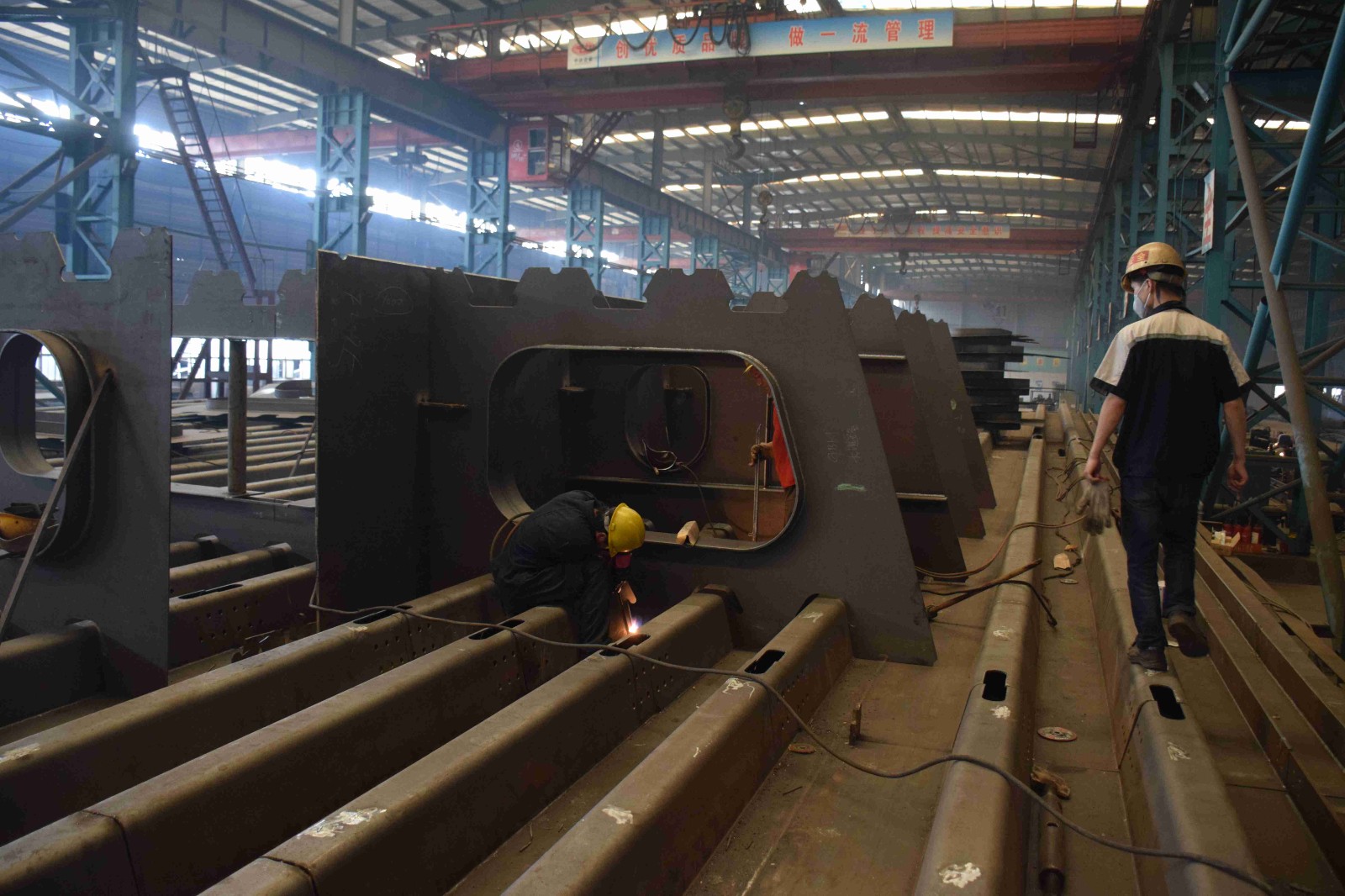
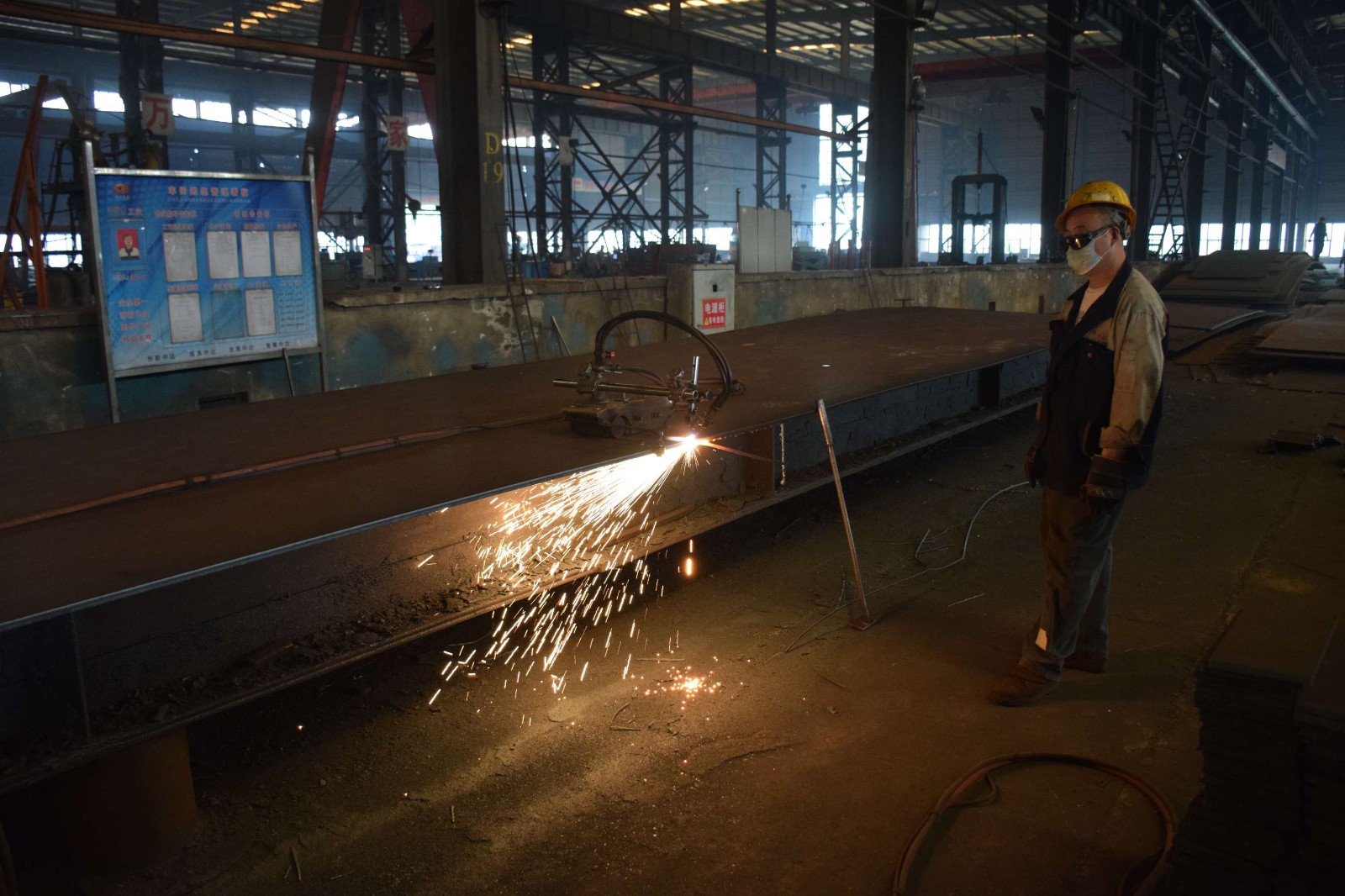
Wind Load: In case of a hurricane, what is the maximum wind speed that your prefab metal warehouse building will be able to withstand? Buildings located on the ocean side have to meet much more stringent requirements than those located inland.
Snow Load: If your prefab metal warehouse building is situated in a cold region, then its roof must have enough structural strength to support the weight of the snow. Otherwise, a roof collapse will be the only consequence.
Seismic Load: If buildings are in the earthquake zone, then it will be necessary to design them in a way that will make them able to withstand earthquakes.
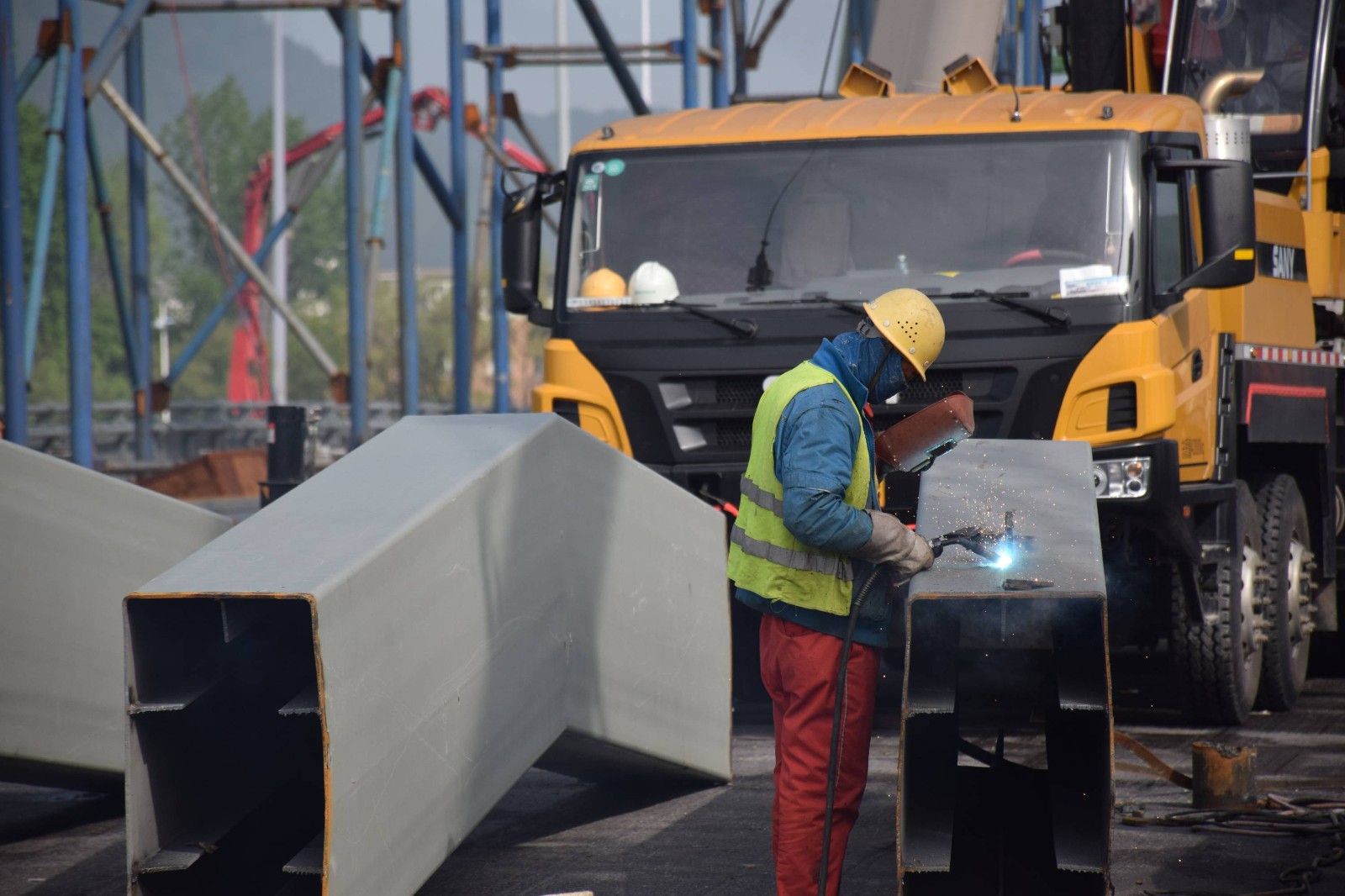
Steel Grade: It is necessary that you recognize the use of high-strength steel (e.g., Q345/Q355), while low-strength general carbon steel (Q235, usually used only for non-load-bearing parts) is avoided.
Surface Treatment:Ordinary Paint: It is a cheap option, but the paint will have to be applied again every few years.
Fitting steel mezzanine systems is one of the ways to increase the storage capacity of your prefab metal warehouse building. Moreover, they can be used not only as storage spaces but also as offices or working areas that are comparatively low in cost.
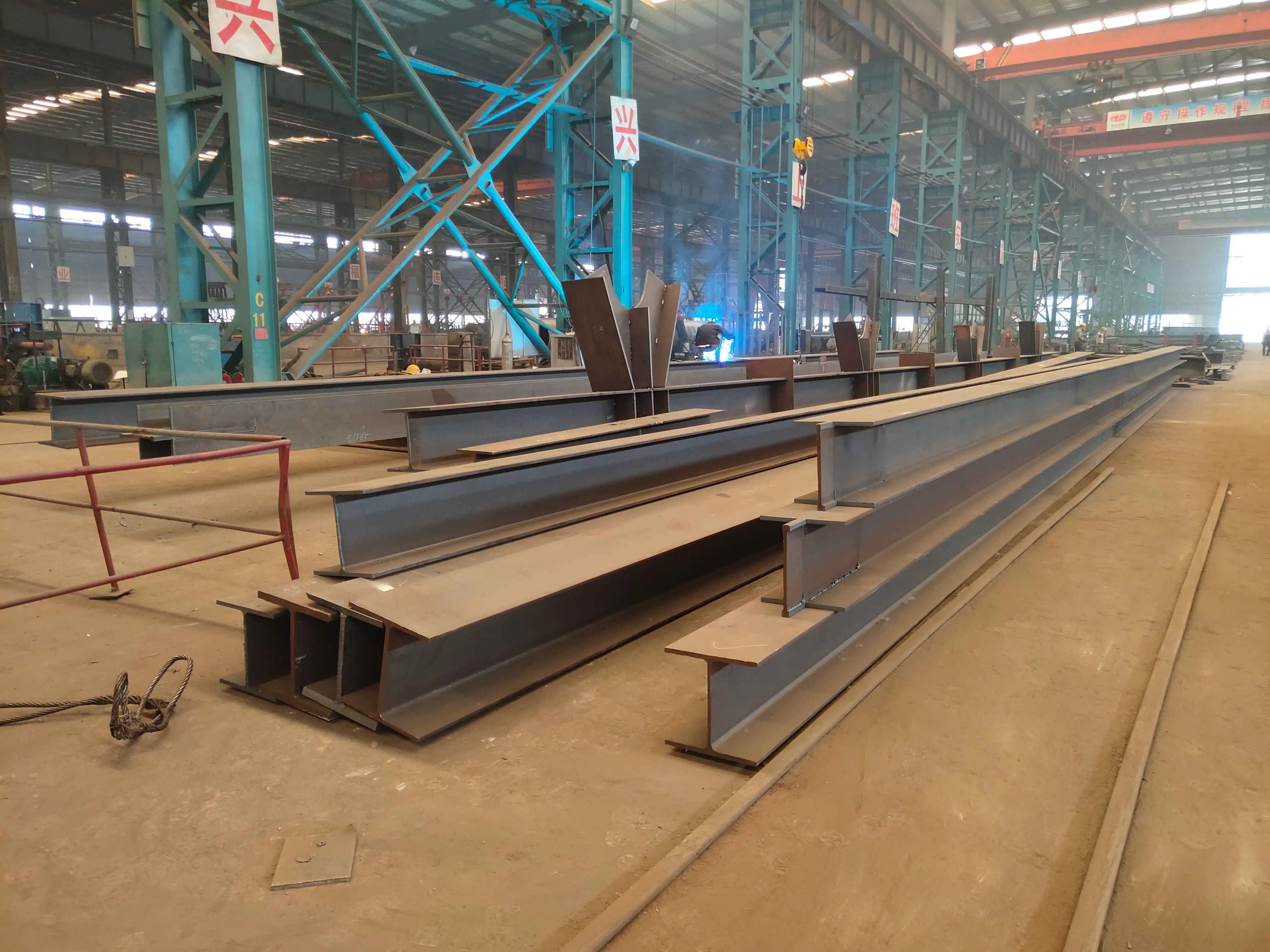
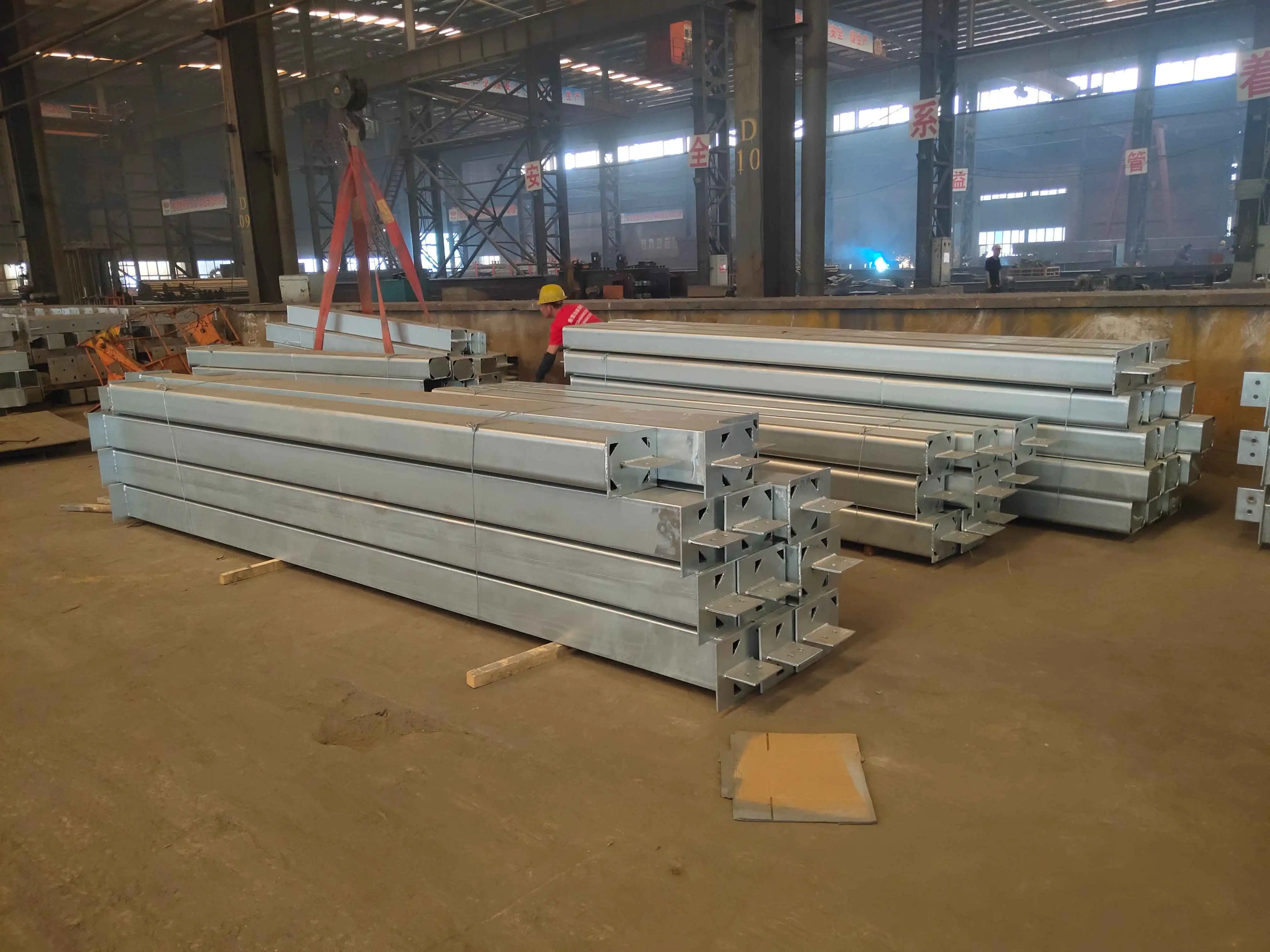
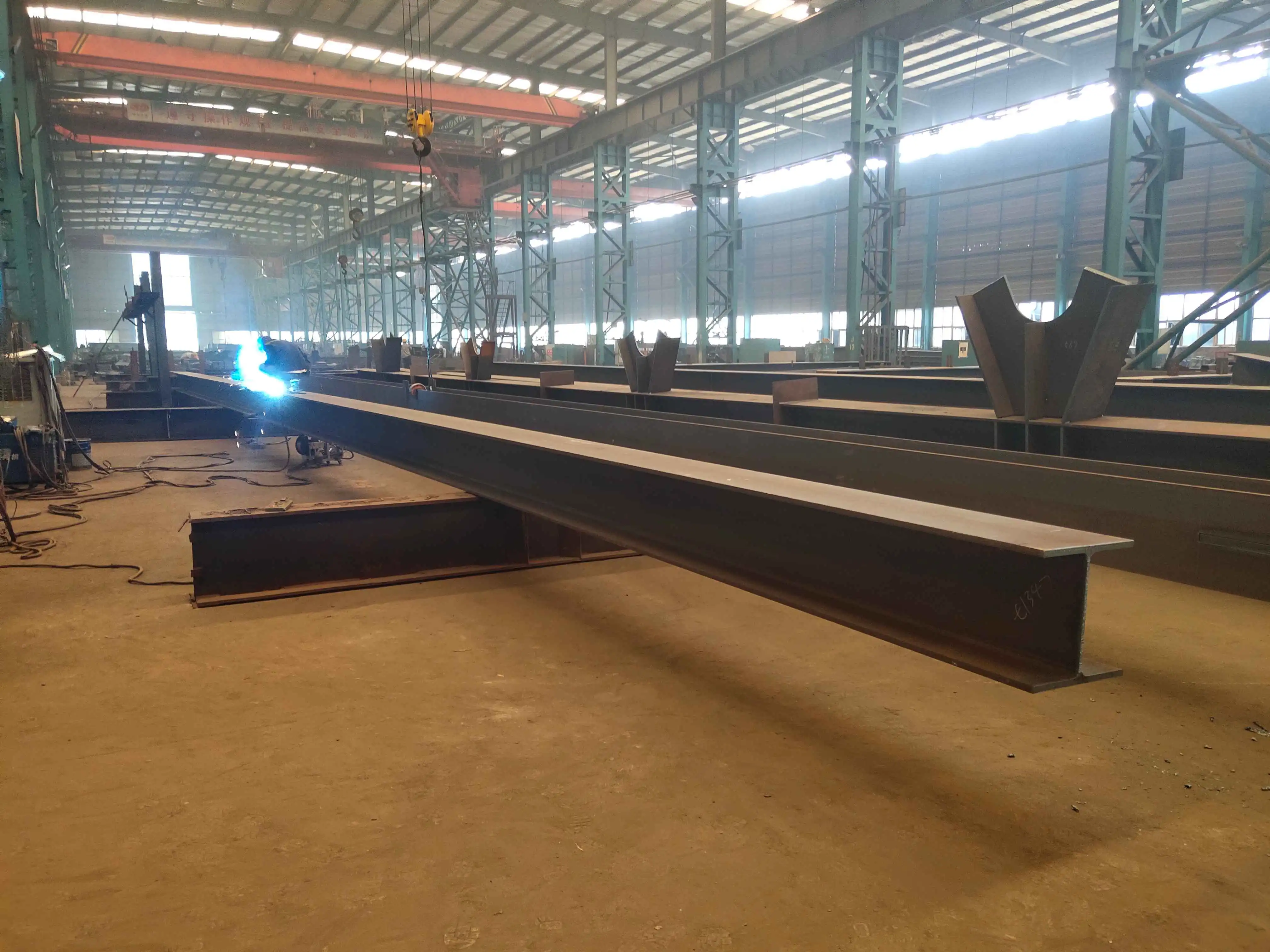
The vertical space that is usually left unused can be utilized for storage areas without the need for a larger building.
An expansion solution that is far cheaper than new construction or extension of the existing building facilities.
Made from high-quality steel, these mezzanine floors can carry heavy loads.
There are various sizes, weight capacities, and layout options available to accommodate your individual needs.
A steel beam warehouse mezzanine system installation is very quick, and therefore, the disruption of warehouse daily activities is kept to a minimum.
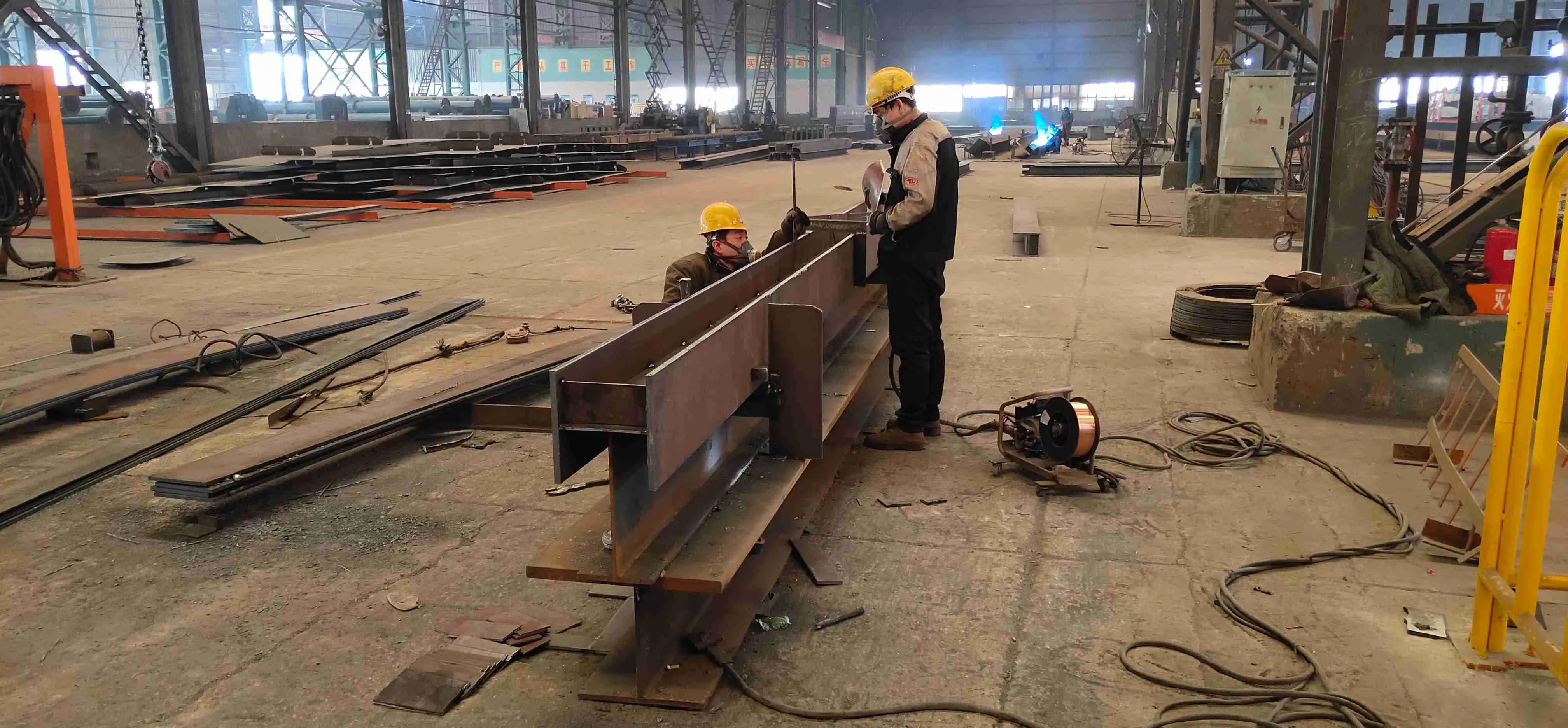
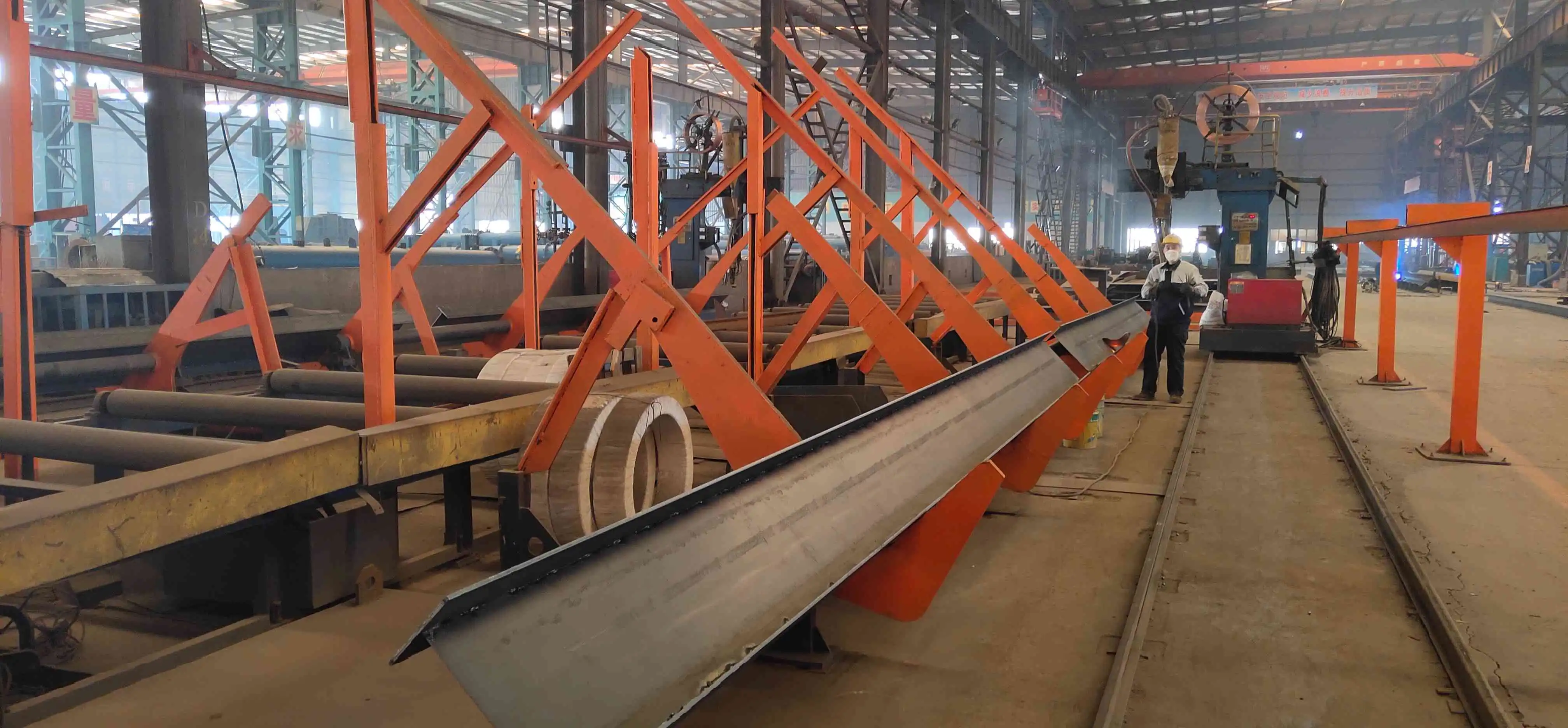
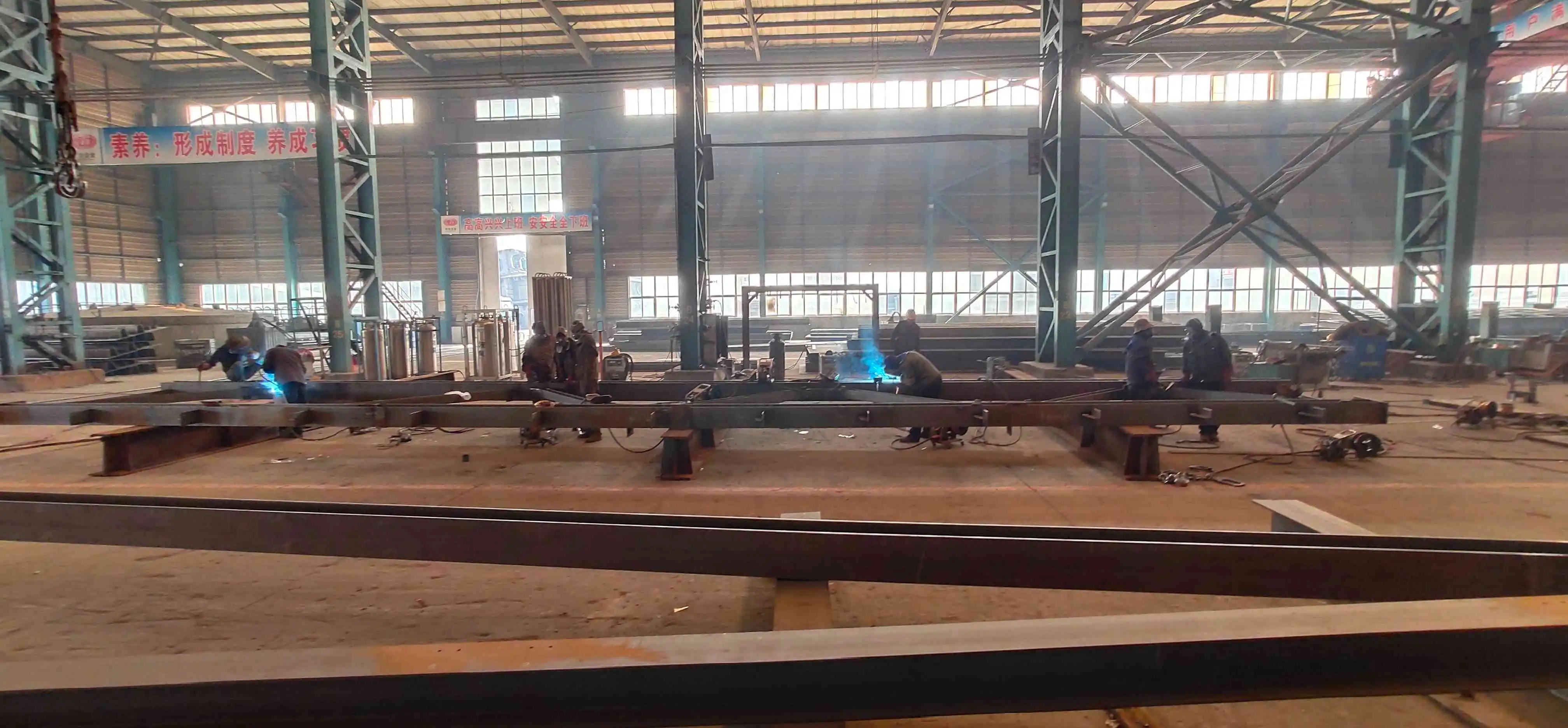
1. Evaluation of the site and planning.
2. Structural designing and engineering.
3. Material selection and manufacturing.
4. Construction work and site-related activities.
5. Compliance with safety and standard permission inspections.
1. Bigger, higher-load-bearing steel structure warehouses will naturally be more expensive.
2. Besides, the cost of the safety railings, stairs, or integrated racking, if any, can also be a factor in the total price calculation.
3. On the contrary, facility limitations and necessary reinforcement can also reflect on your budget.
If you could kindly share your rough specifications with us, our skilled engineers will be ready to give you a one-on-one consultation (It would be preferable if you could give more detailed dimensions or specific requirements).
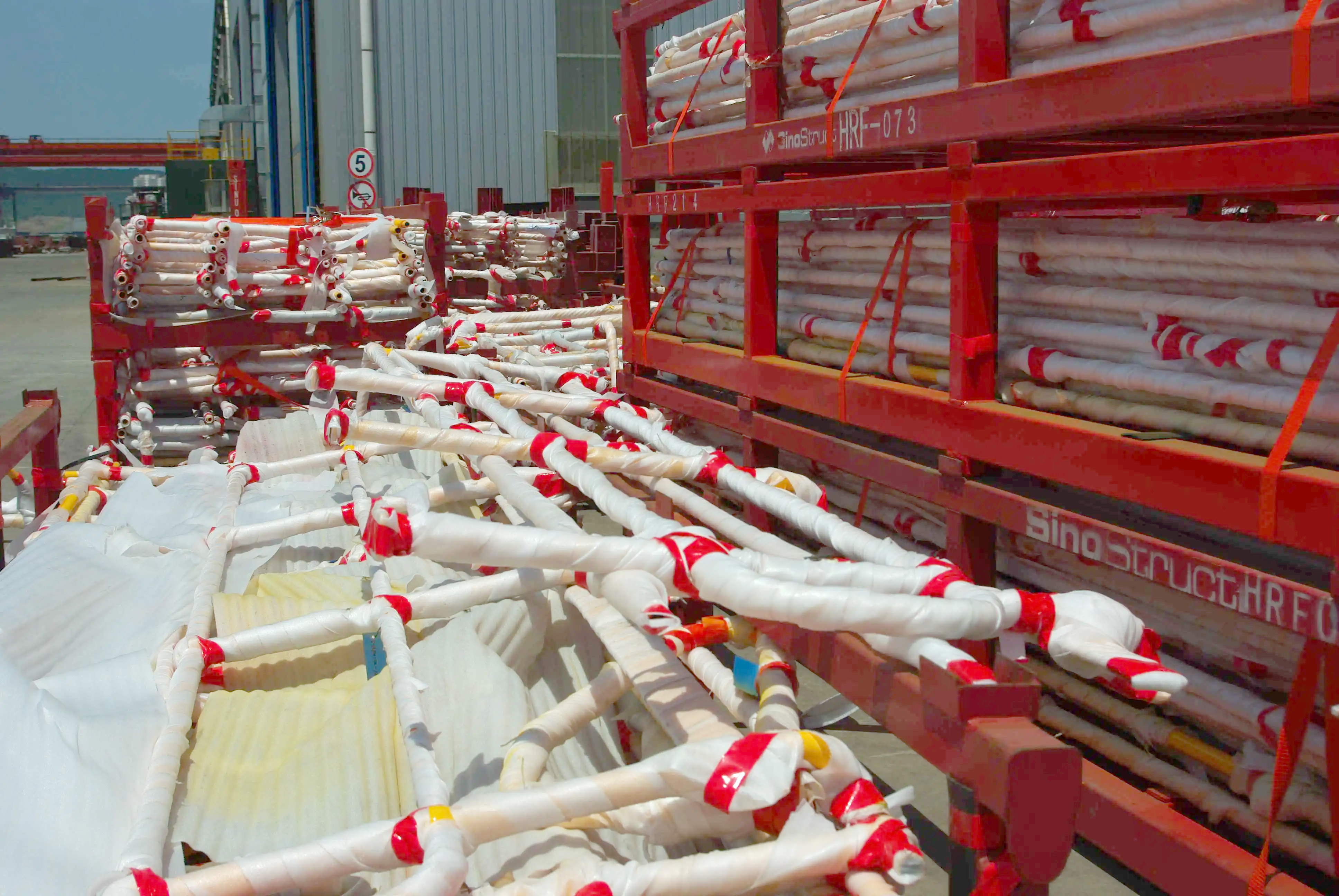
Secure wrapping and custom crating for safe transport. To protect the products during transport, we use the best quality materials such as bubble wrap and custom-built wooden crates.
Having the ability to ship globally with tracking. Our global logistics network allows the delivery of goods worldwide, and tracking systems provide customers with information regarding the status of their shipments.