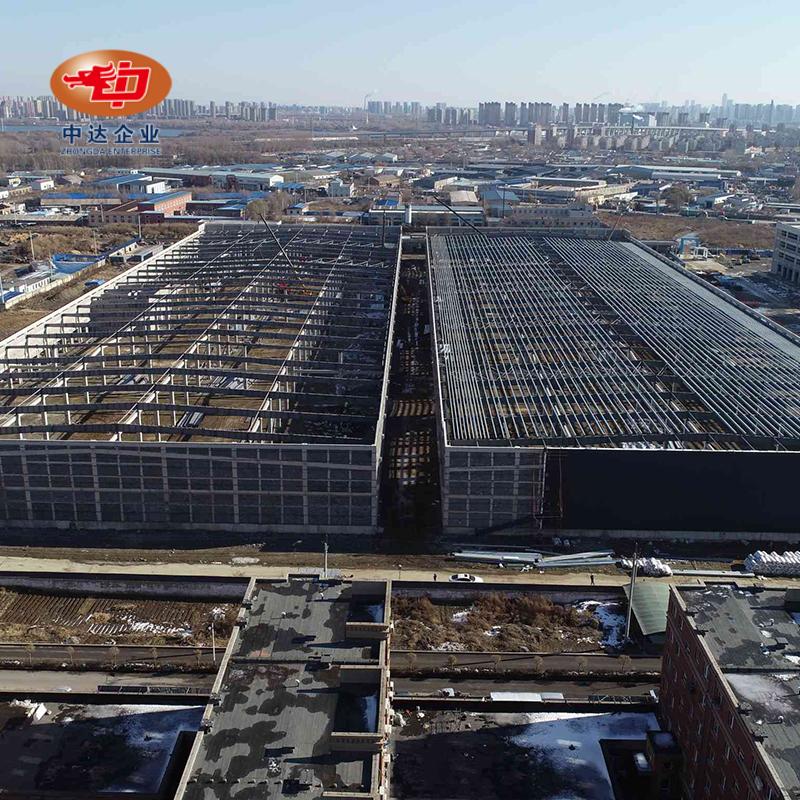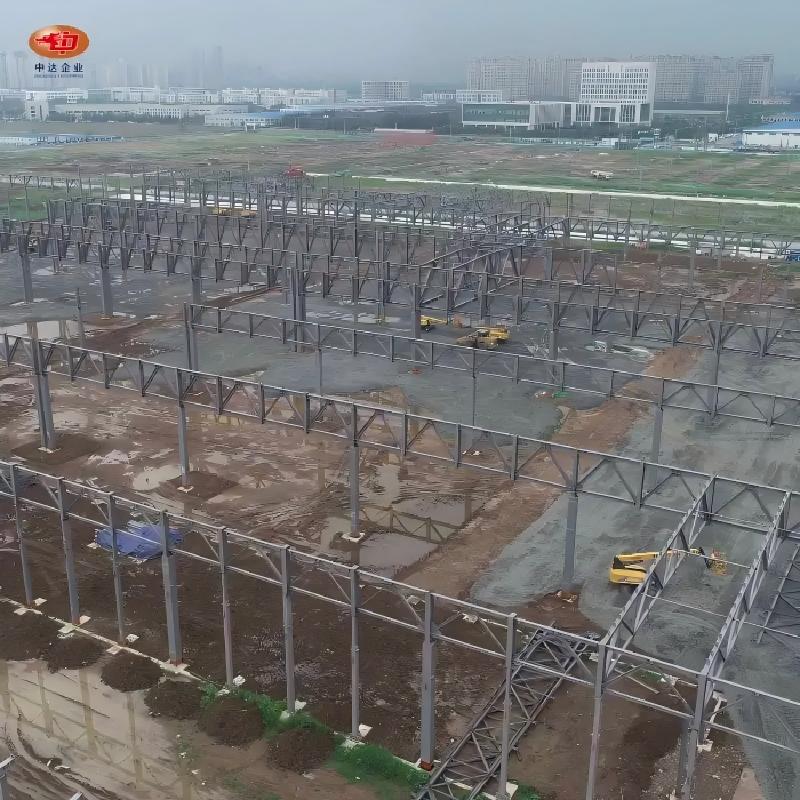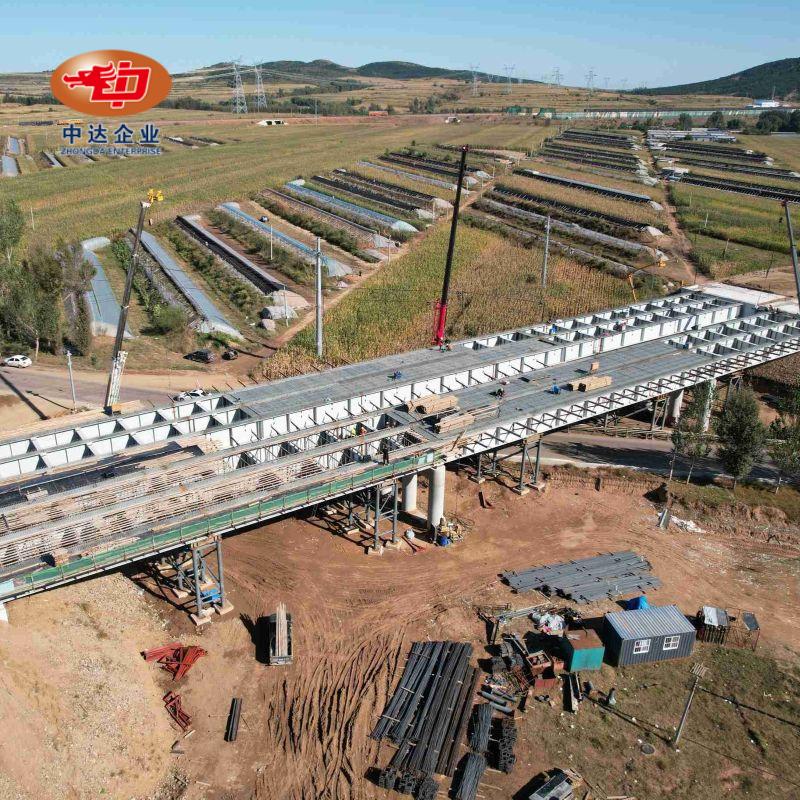
We understand that bridge construction demands speed, strength, and longevity. Unlike traditional concrete, our structural steel solutions offer:
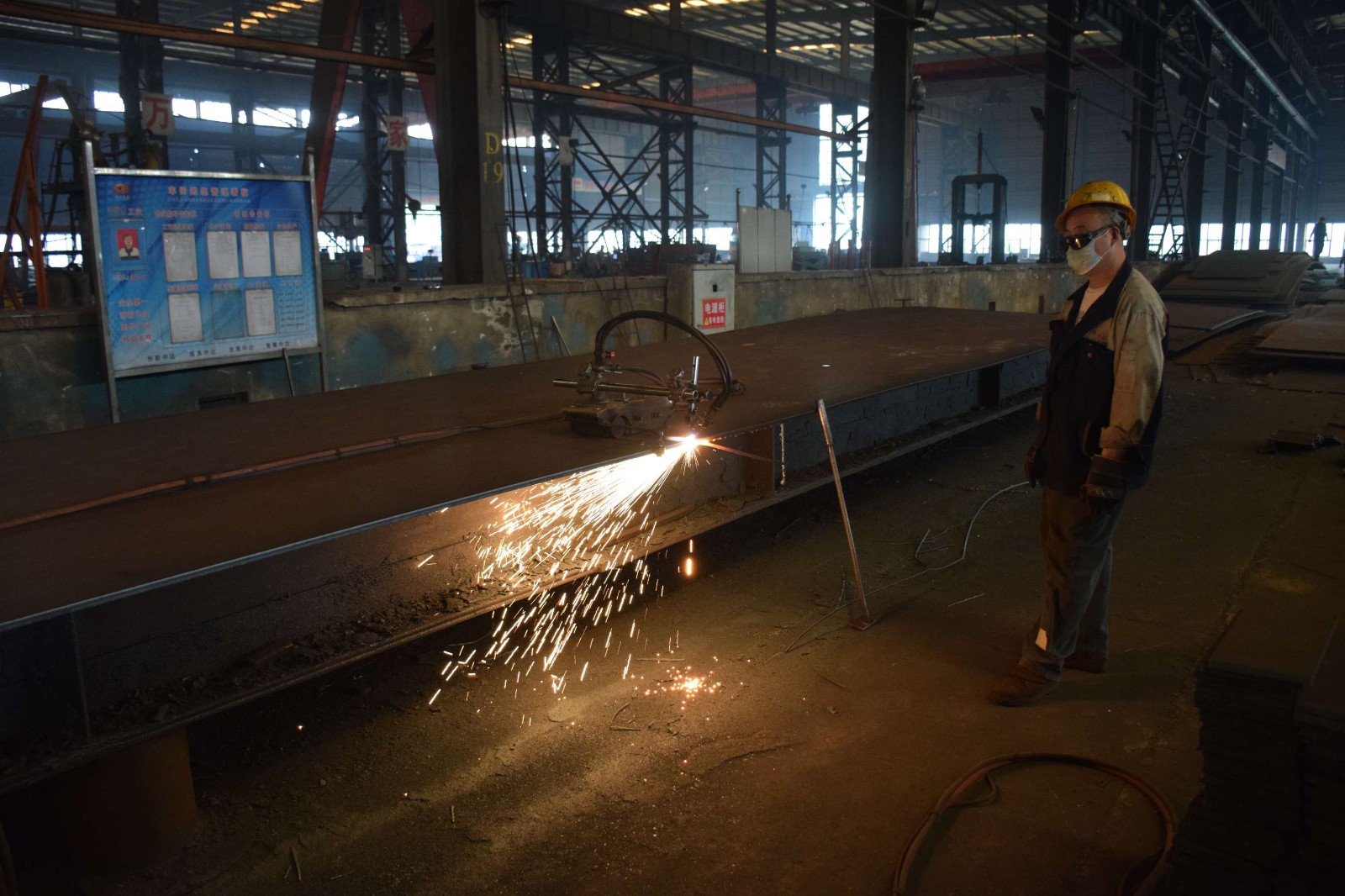
· Accelerated Construction: Reduce project timelines by up to 50% with factory pre-fabrication.
· High Strength-to-Weight Ratio: Ideal for long-span bridges and difficult terrains.
· Earthquake Resistance: Superior ductility to withstand seismic activities.
· Sustainable: 100% recyclable steel materials (Green Building compliant).
High torsional stiffness and streamlined shape. Perfect for curved highway interchanges and long-span overpasses.
High load-bearing capacity with efficient material use. The choice number one for railways and heavy-haul industrial roads.
Beautiful pieces of architecture combining engineering beauty and structural integrity.
Fastest solution for emergency access or temporary crossings.
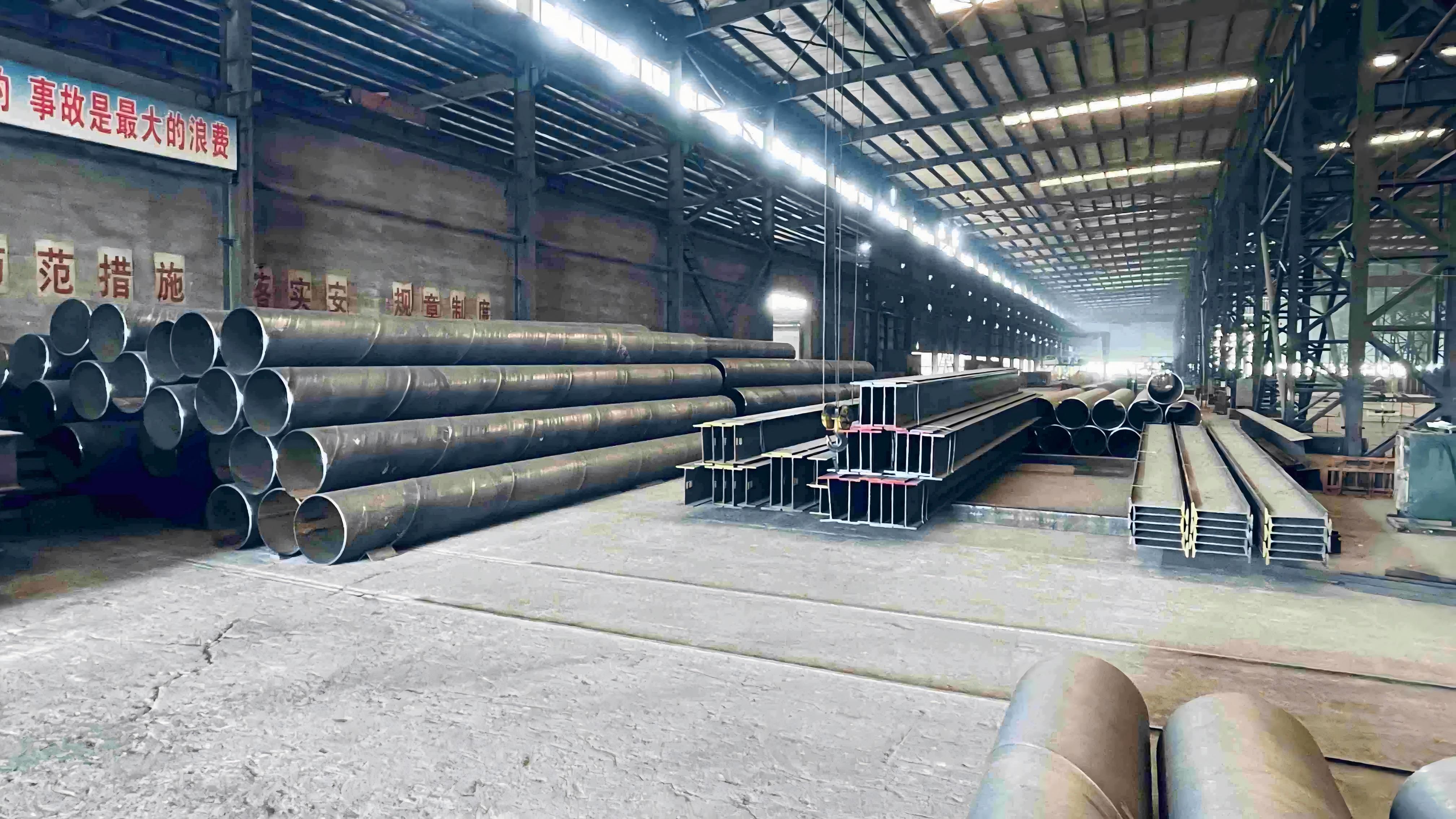
Material: We only source the highest quality steel grades (ASTM A572 Gr.50, Q355B/D/E, S355JR/K2) from leading mills.
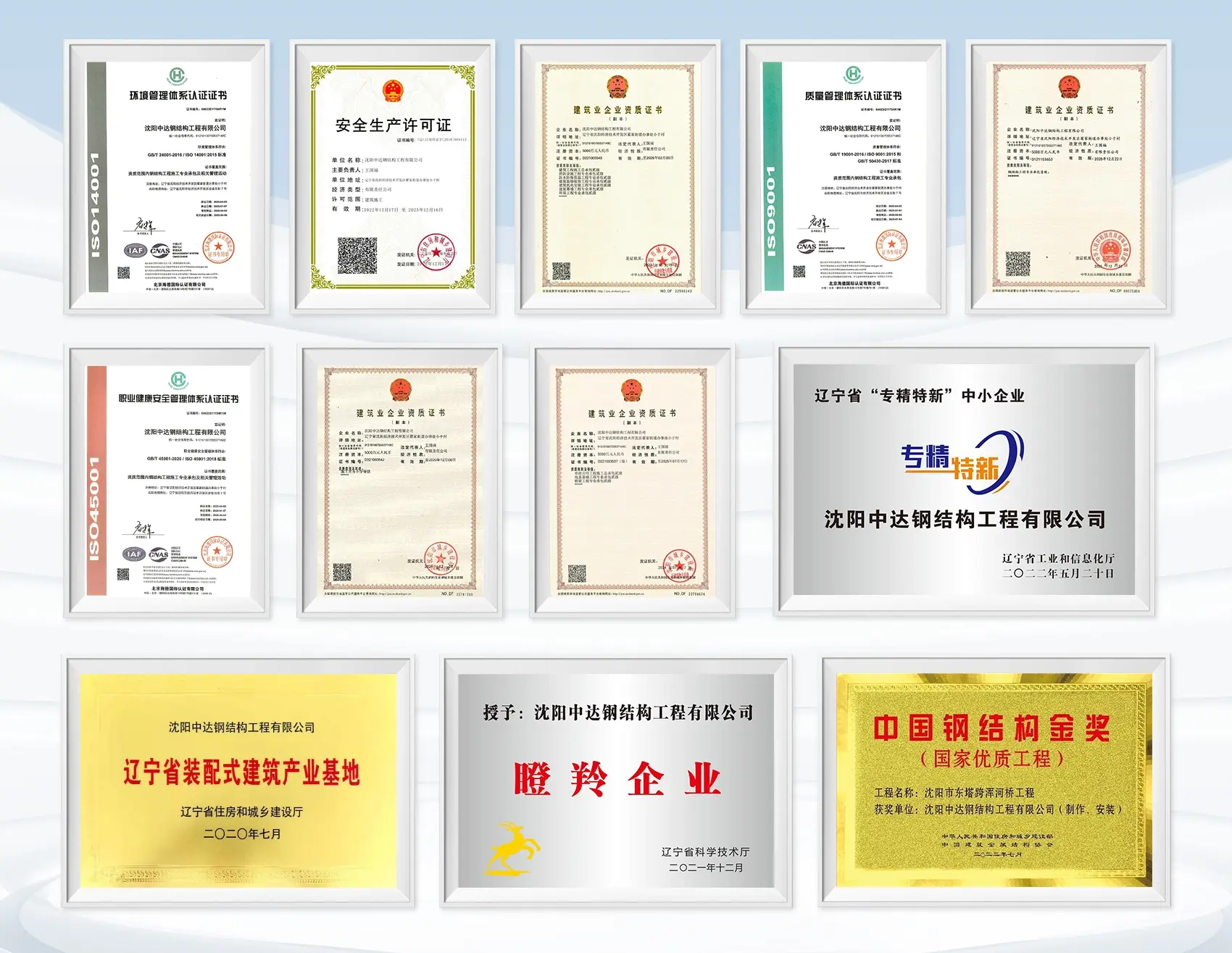
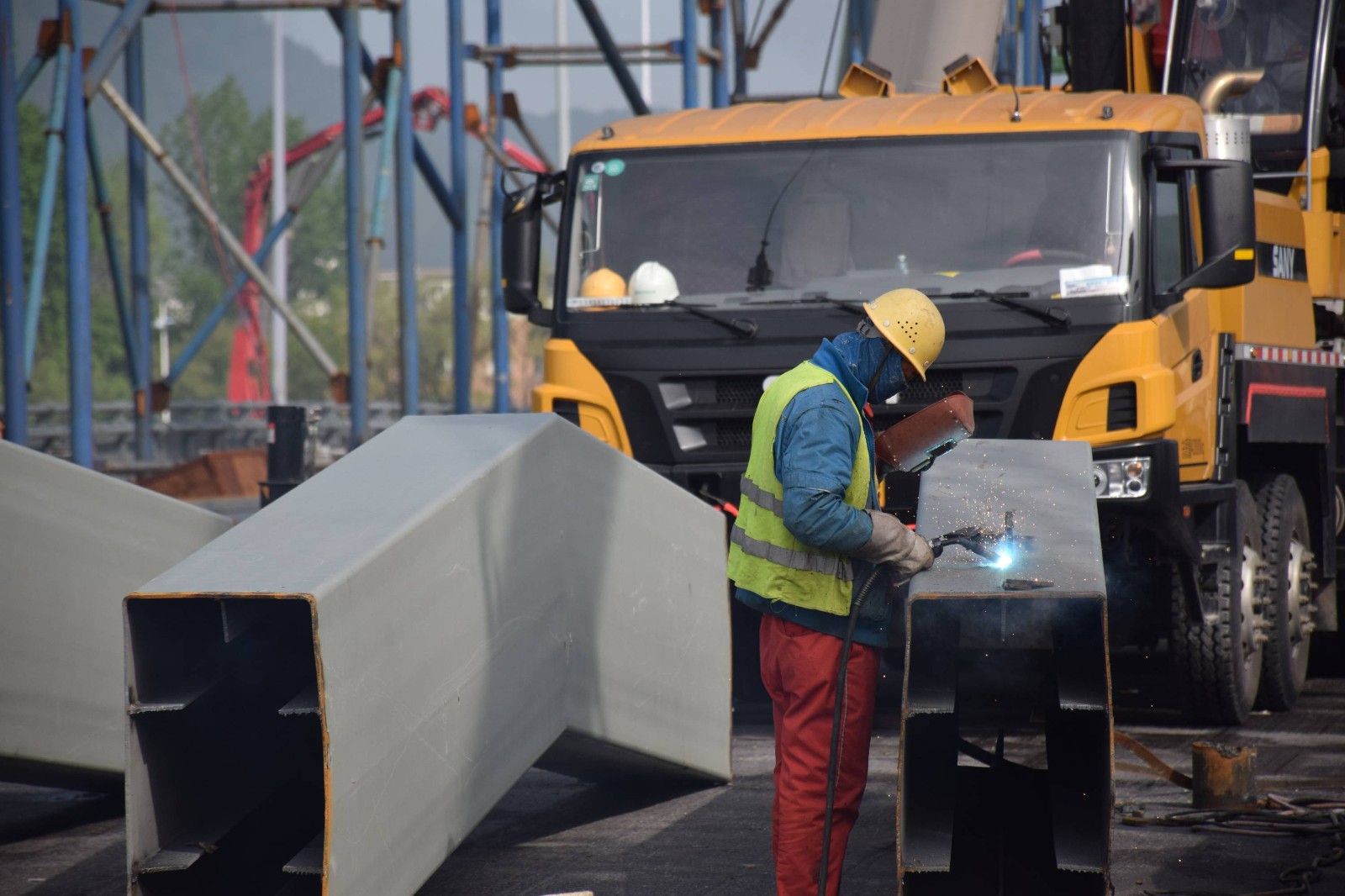
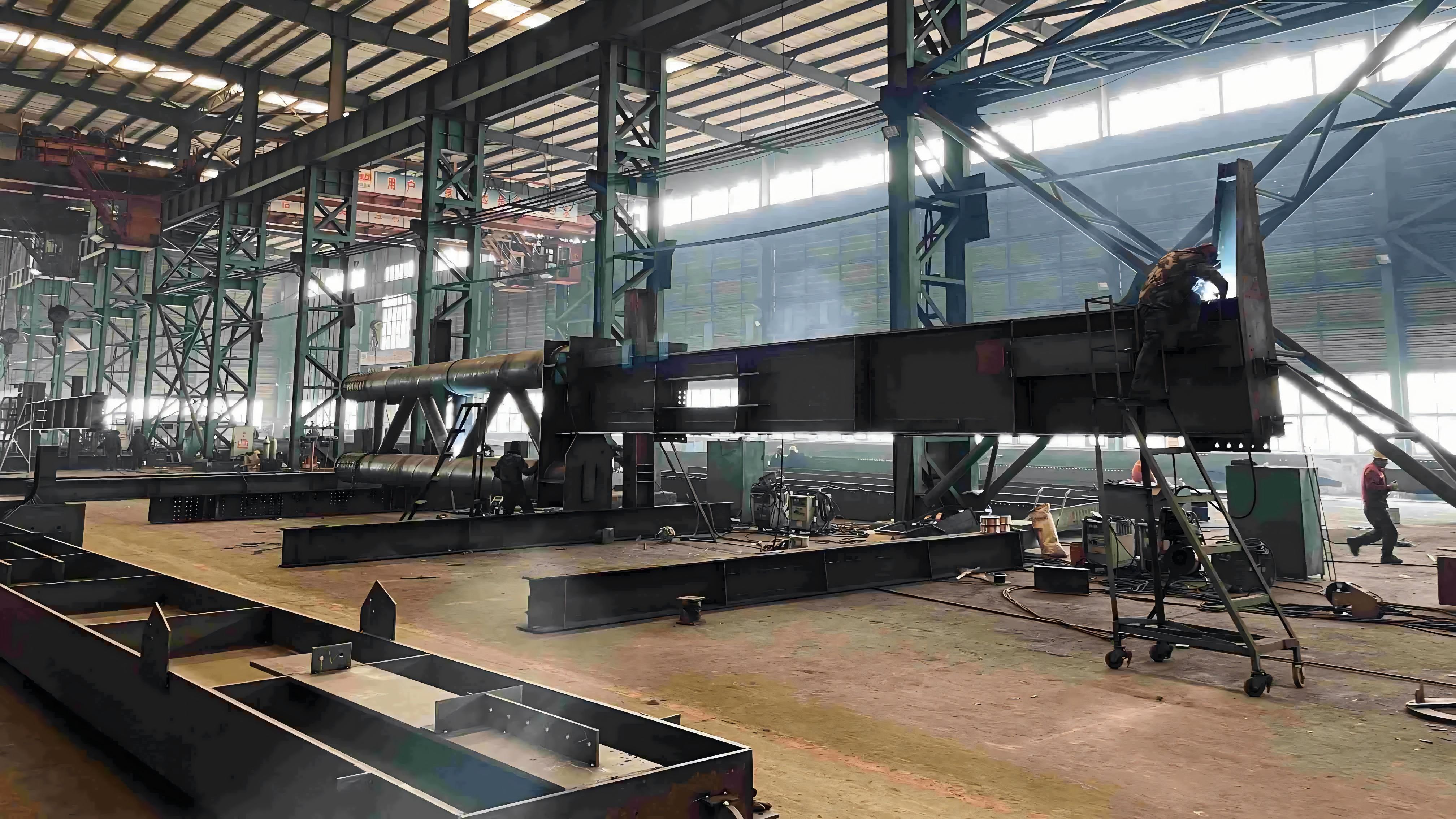
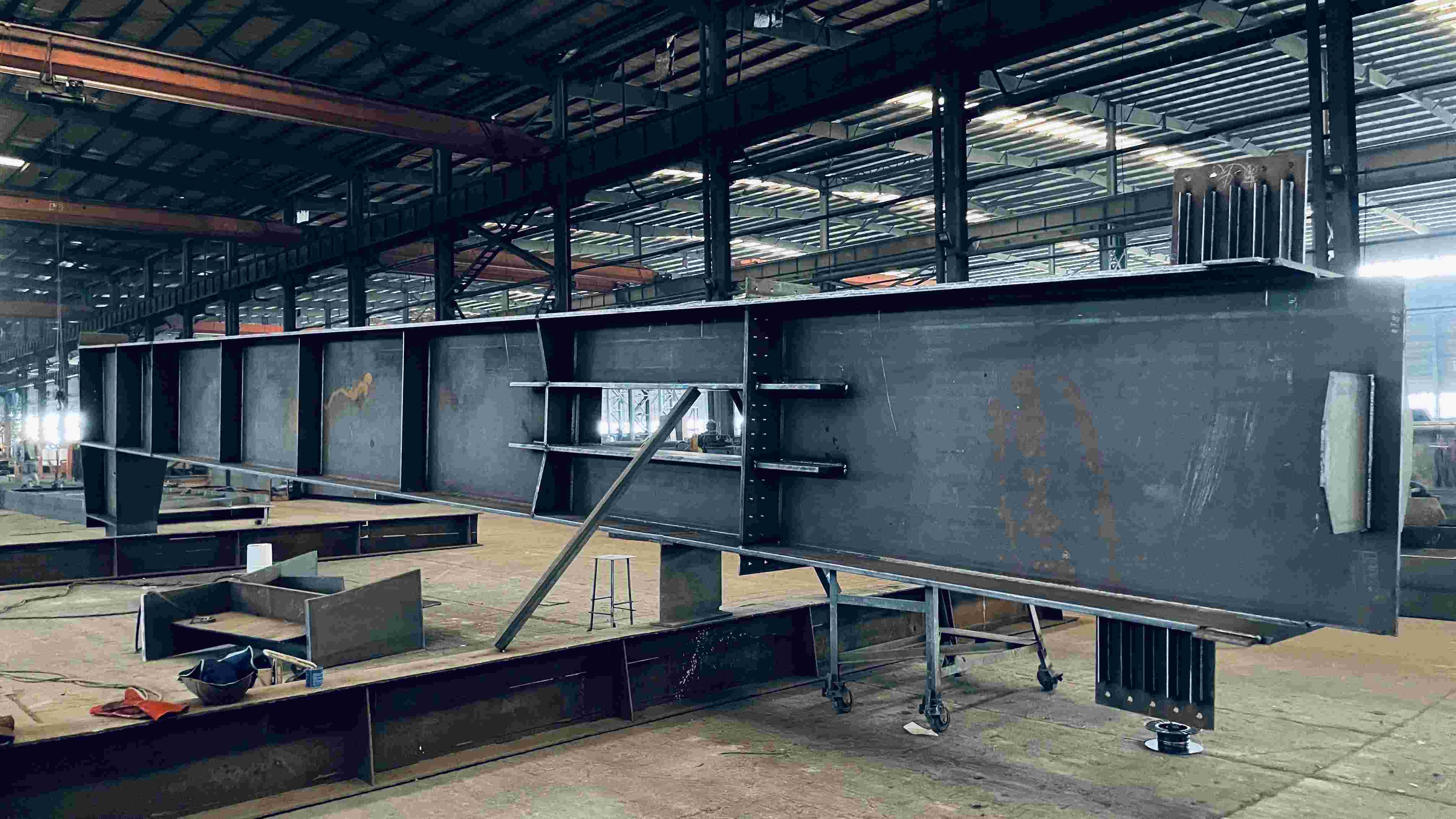
Welding: Complete Joint Penetration Welding (CJP) is done by welders certified in AWS D1.5 (Bridge Welding Code) and EN 287-1.
NDT Testing: 100% Ultrasonic Testing (UT) and Magnetic Particle Testing (MT) are done on critical joints.
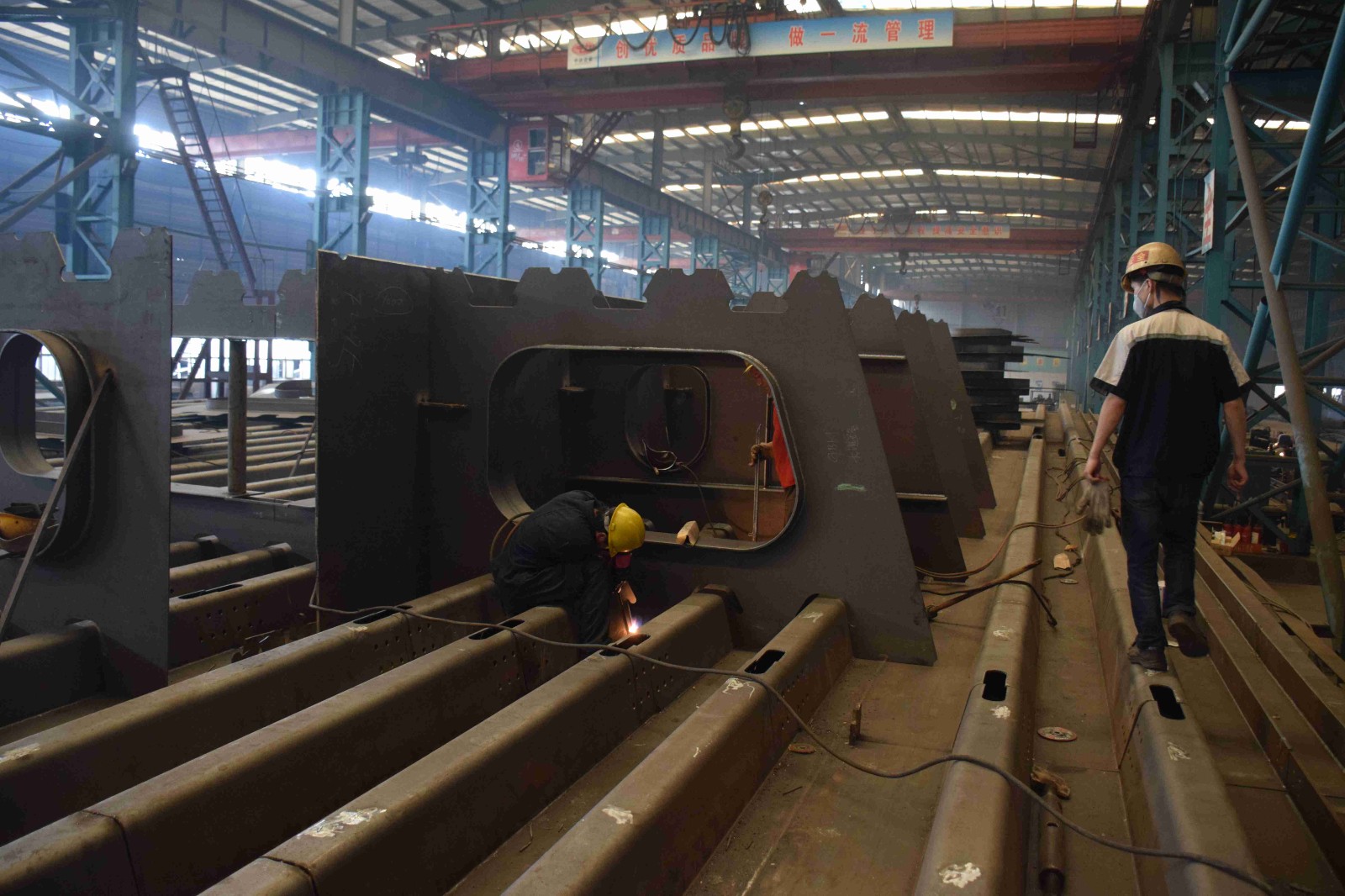
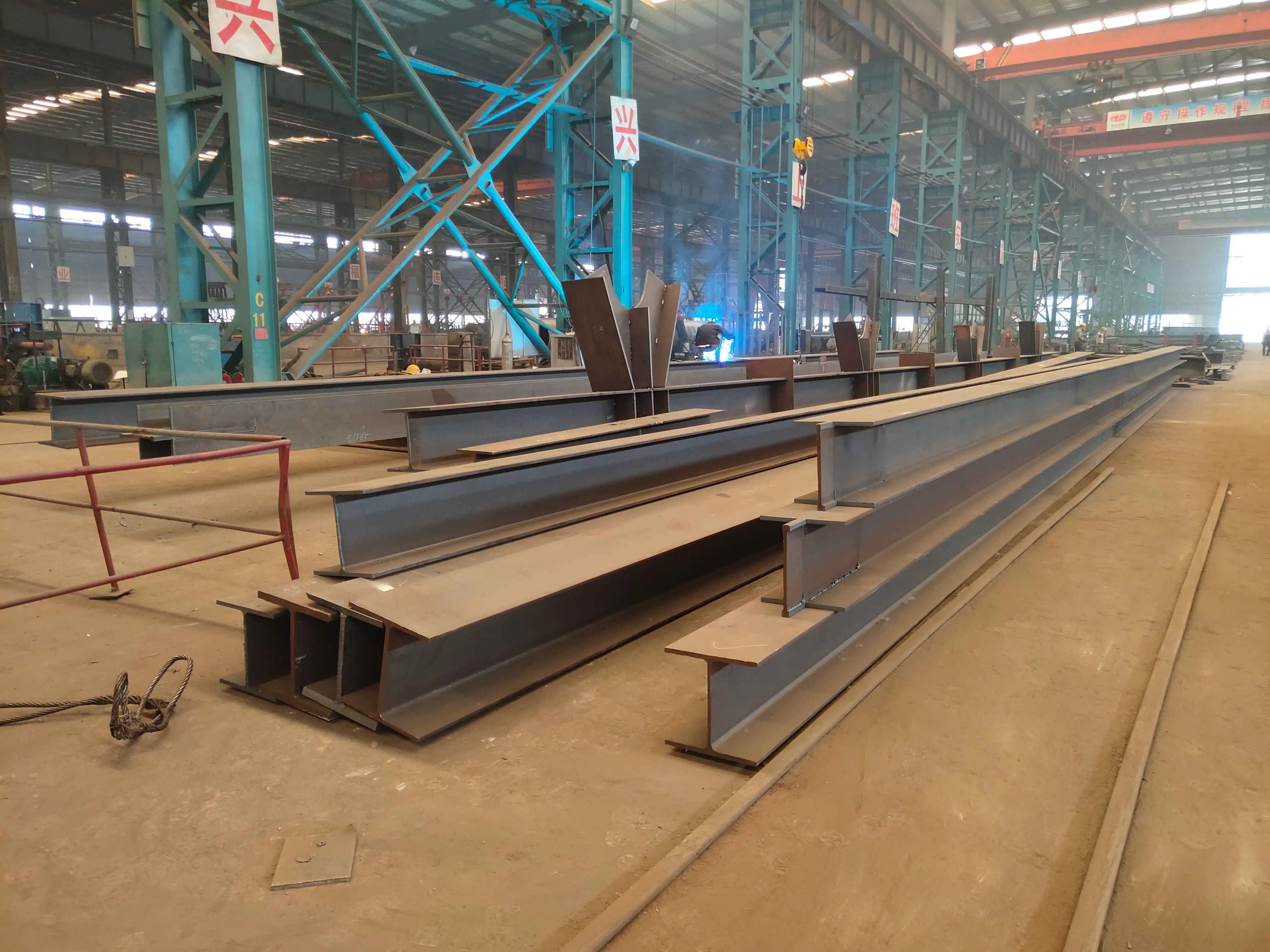
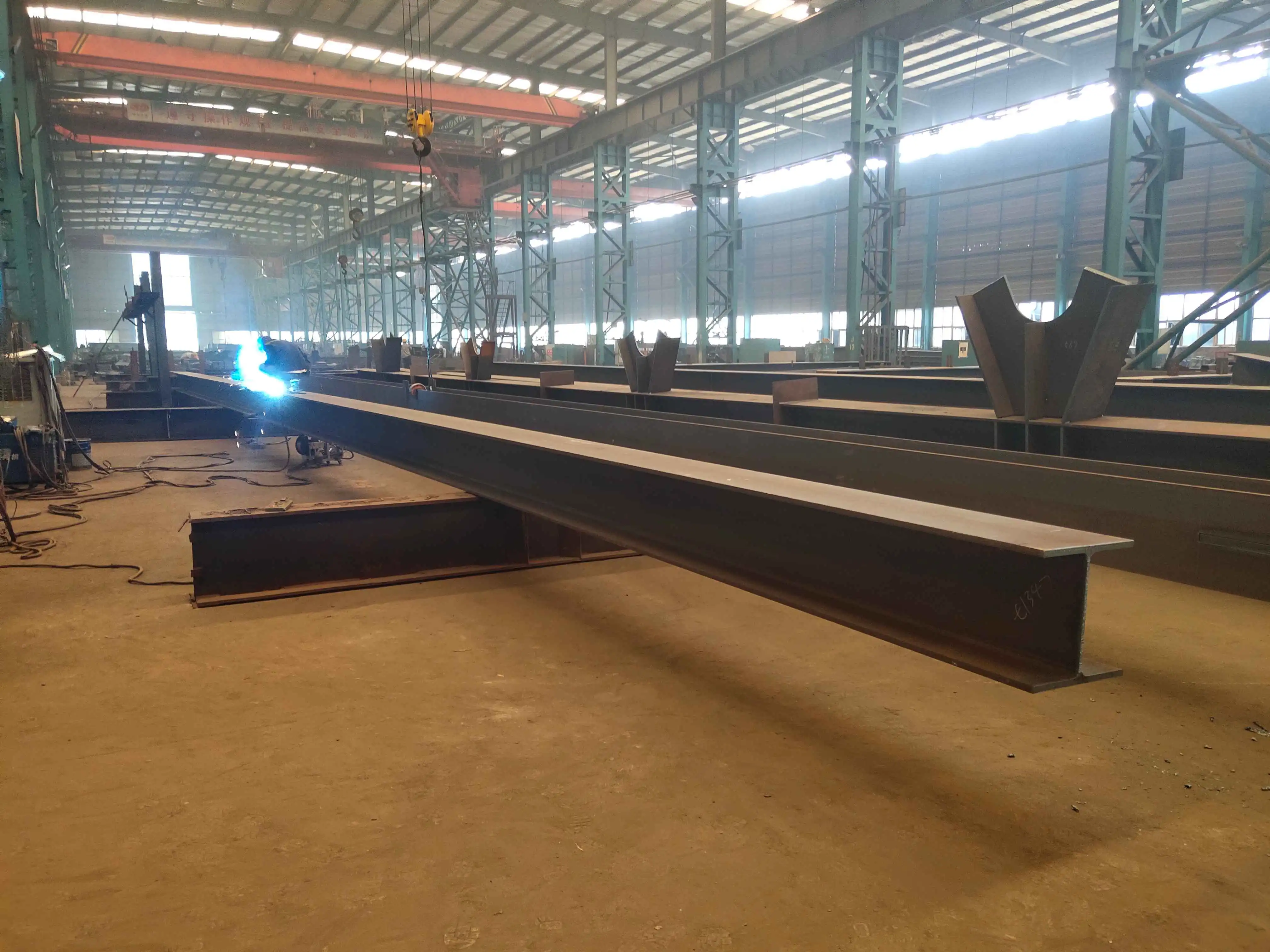
Trial Assembly: We carry out the trial assembly of the bridge structure at the 1:1 scale in our factory before shipment to the site to make sure that the installation on the site is error-free.
| Technical Dimension | Zhongda Industrial Standard | Engineering & Commercial Value |
| Span capability | 300 m – 2000 m ultra-long span | Easily crosses deep valleys, wide rivers, and complex waterways |
| Main cable strength | PPWS (Prefabricated Parallel Wire Strands) | Tensile strength up to 1770 MPa for rock-solid load-bearing |
| Manufacturing accuracy | 3D laser scanning alignment | Clamp and critical component accuracy within ±2 mm, eliminating assembly stress |
| Wind resistance | Aerodynamically optimized deck, typhoon resistance up to Level 12 | Outstanding stability even under extreme cyclone conditions |
| Corrosion protection | Main cable dehumidification + S-type galvanized wire wrapping | Dual-layer protection extends maintenance intervals and reduces life-cycle cost |
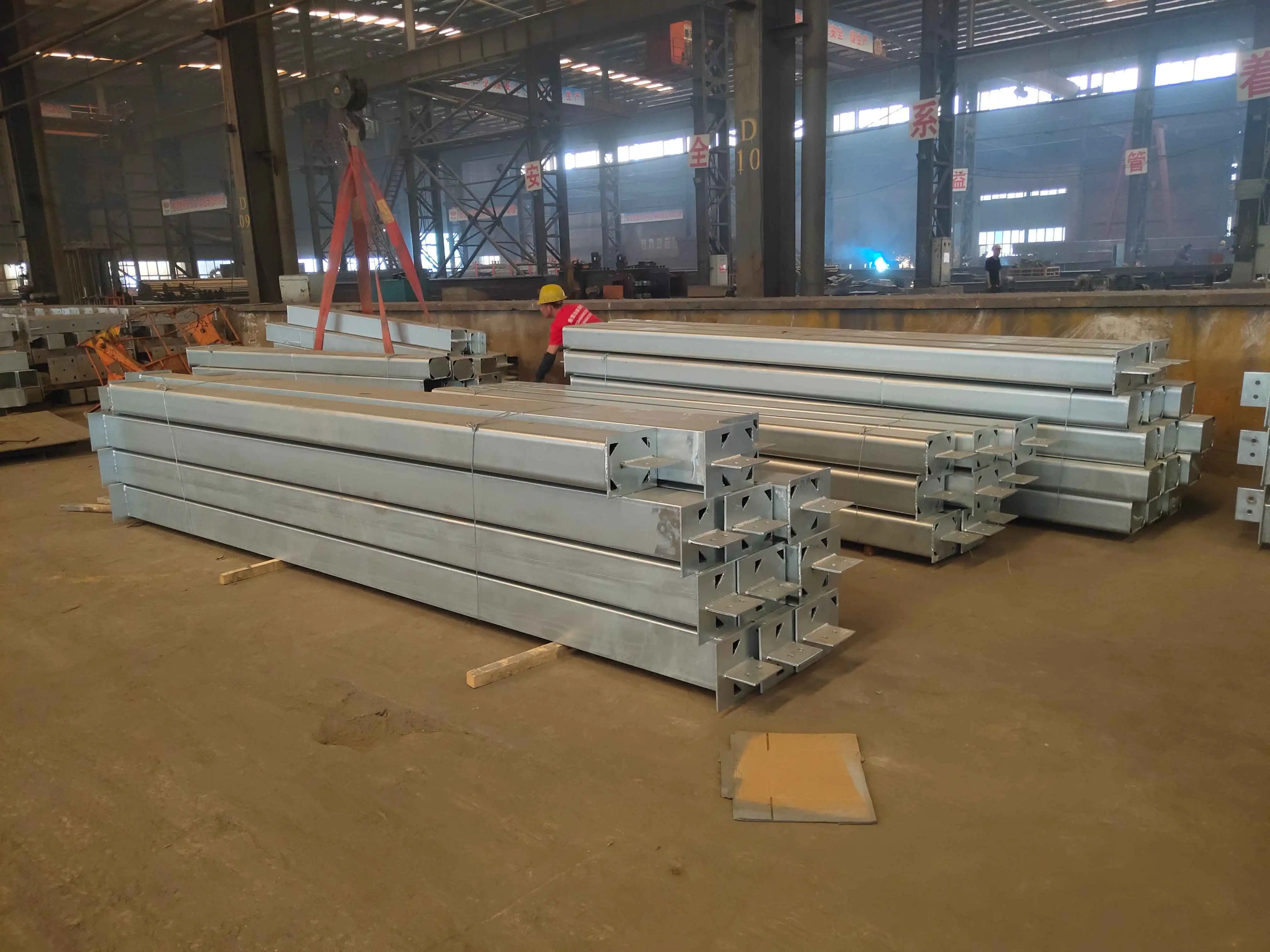
Bridges endure the elements of nature. We provide:
Sandblasting: Sa 2.5 / Sa 3.0 standard.
Painting: Epoxy Zinc-rich primer + Micaceous Iron Oxide intermediate + Polyurethane finish (AkzoNobel / Jotun / Hempel brands).
Hot Dip Galvanizing: According to ASTM A123 standard for smaller components.
Not just drawings but data-driven development of the designs. Actual submerged and hydrological data are the core of Zhongda's work. Zhongda also confirms safety with respect to maximum flow velocity and maximum wave height through CFD simulations.
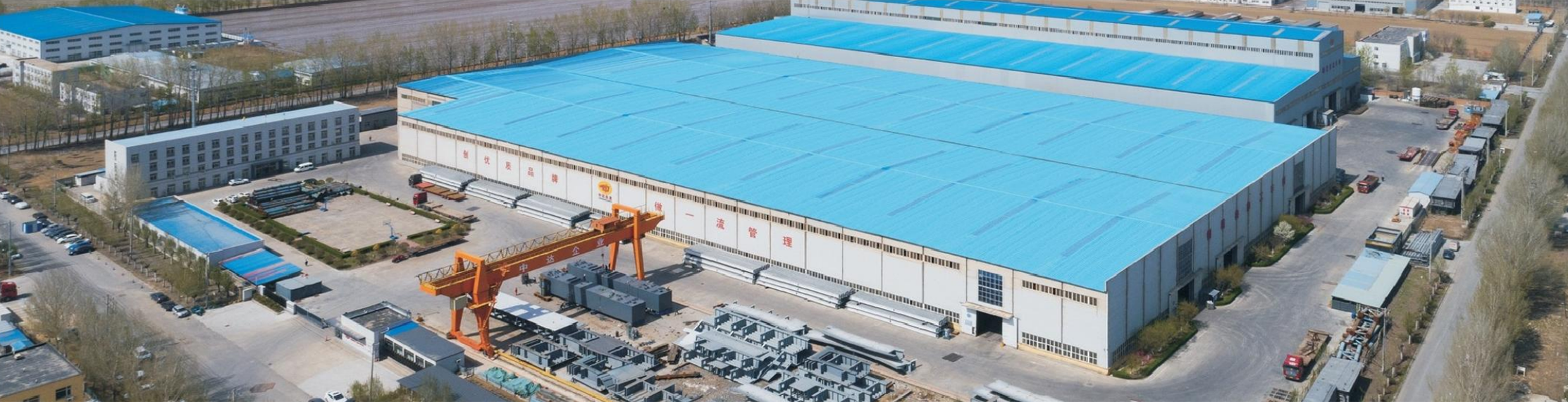
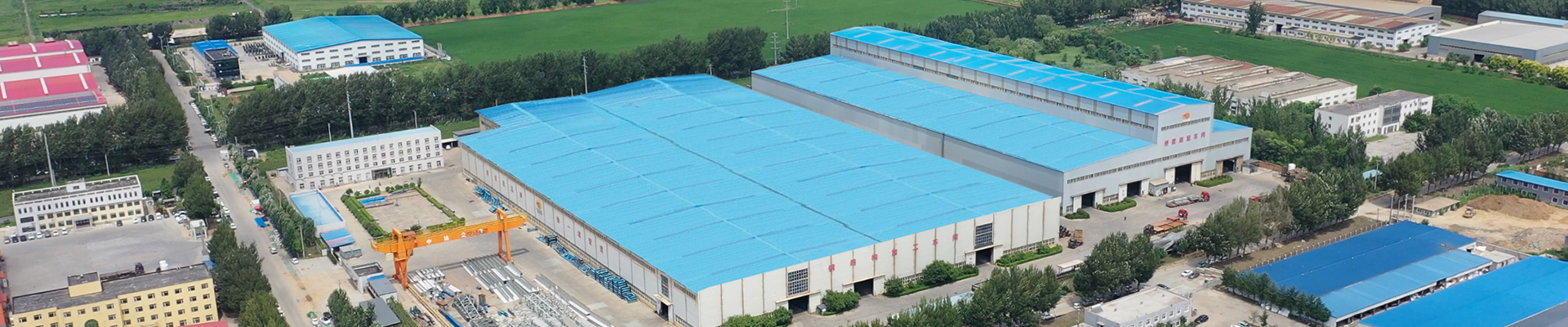
Tests at the factory before shipment. All pressure tests and sealing work take place in a well-controlled factory environment of 120,000㎡. Before leaving the factory every prefab steel bridges undergoes a 24-hour submersion test.
Modular design ready for container shipment. It is through modular construction that shipment can be made in regular containers. For worldwide dispatch, Zhongda provides marine-grade packaging that prevents oxidation while the cargo is in long-distance ocean transport.
Q: Can you fabricate according to my country's standards (e.g., Australian AS4100 or Eurocode)?
A: Yes, our engineering team is familiar with ASTM, EN, AS/NZS, and JIS standards.
Q: How do you transport large prefabricated bridge components?
A: We segment large girders for container loading or use bulk vessels for oversized pieces, providing specific lifting plans.
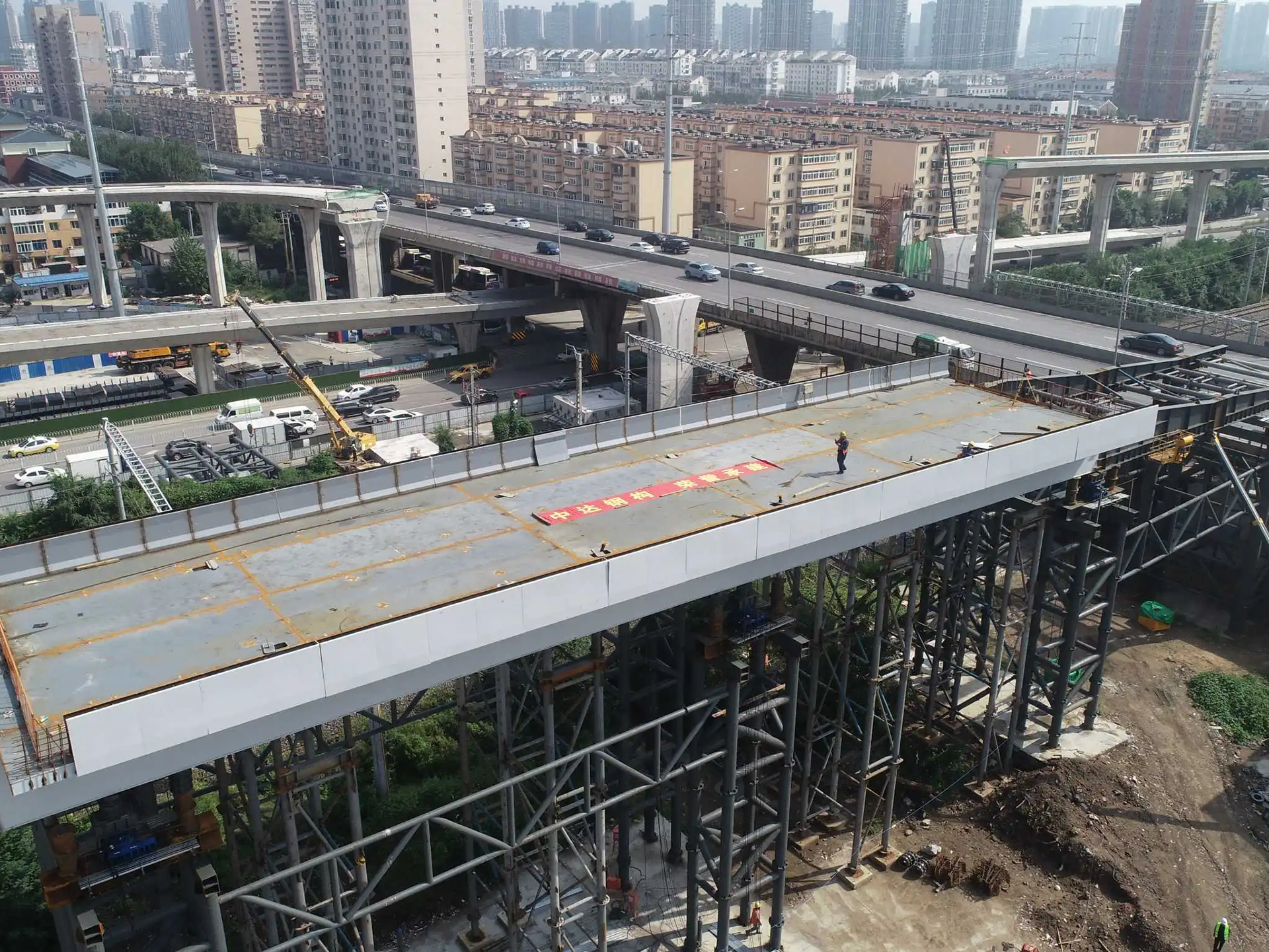
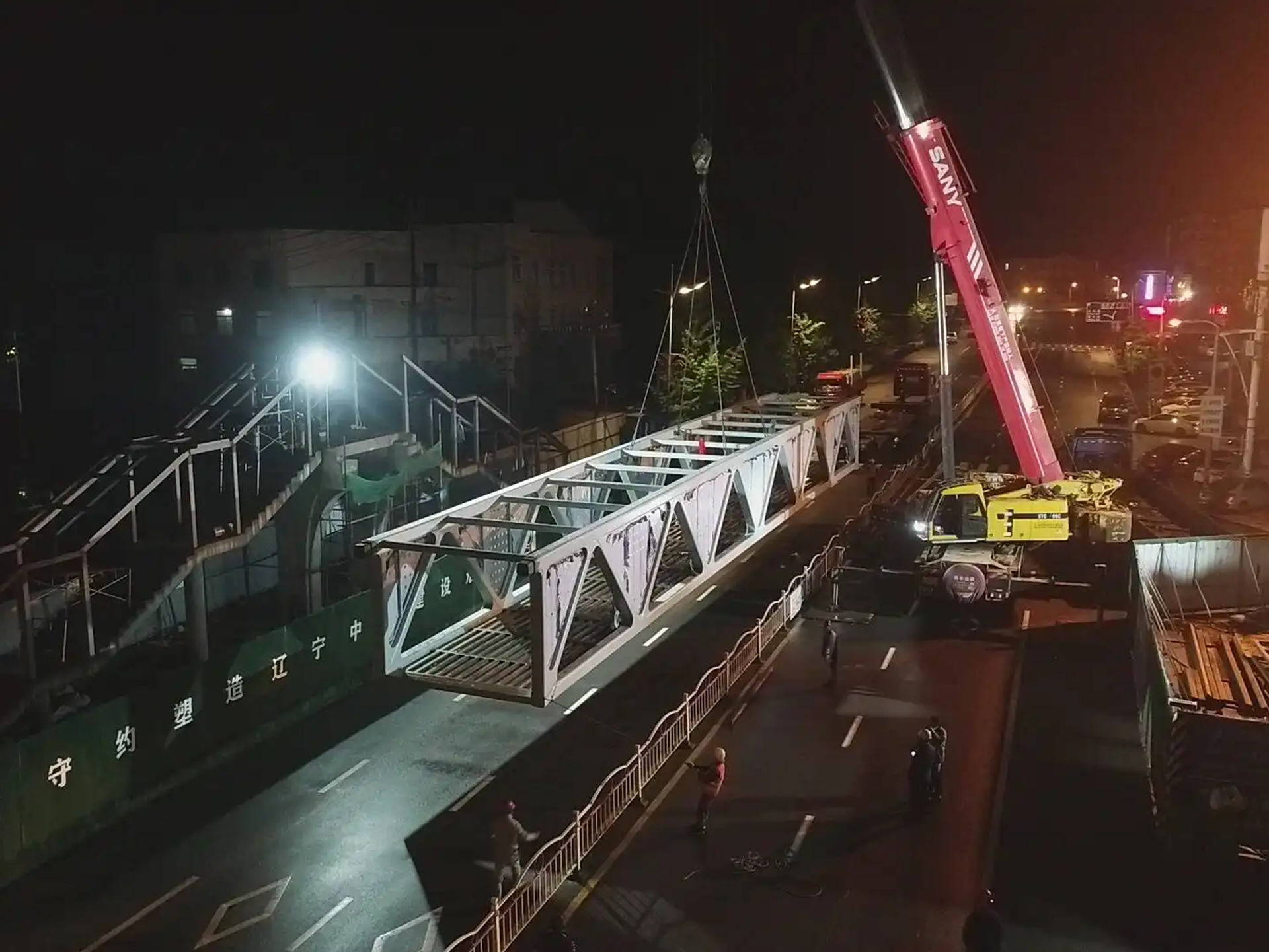
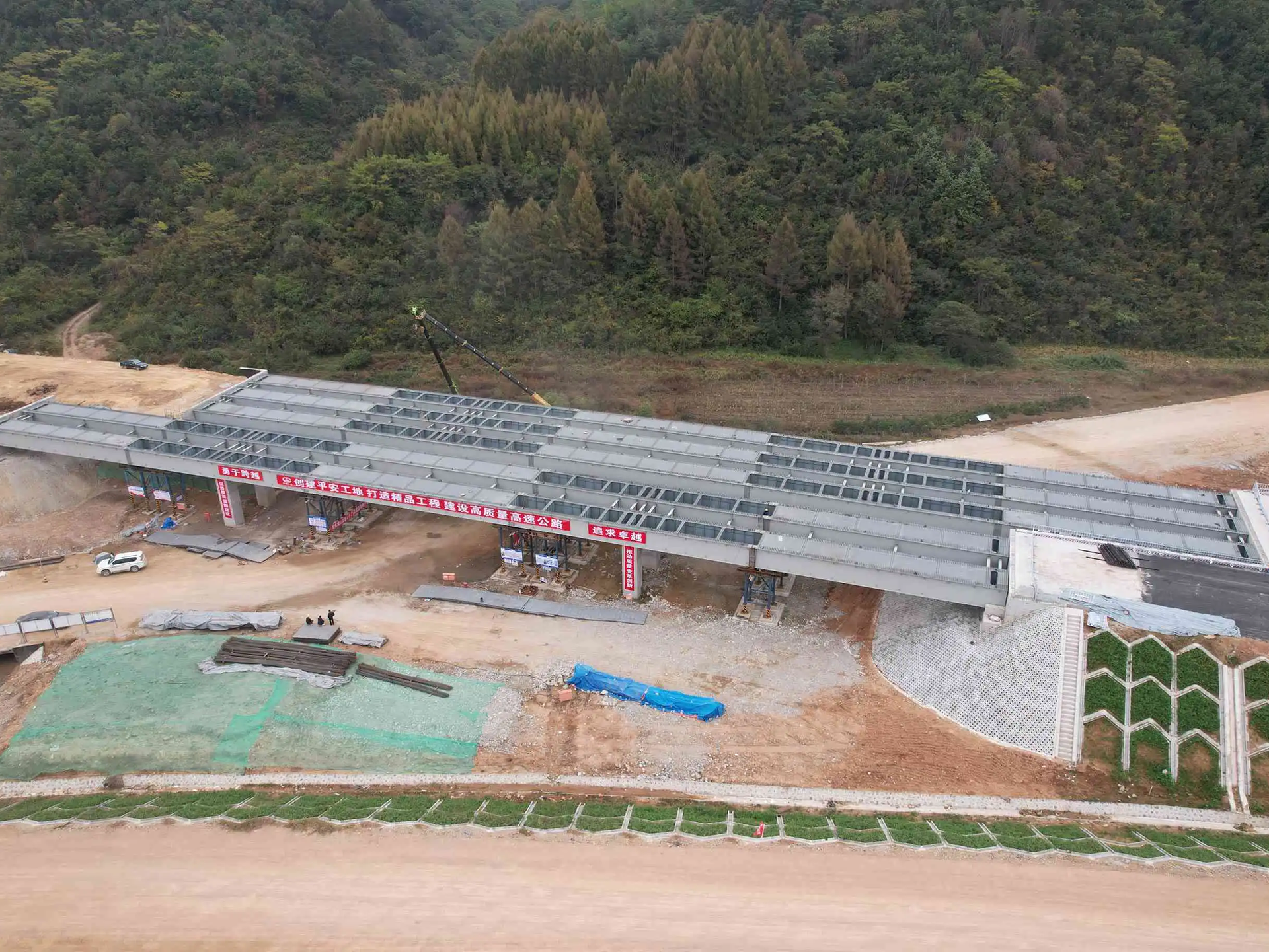
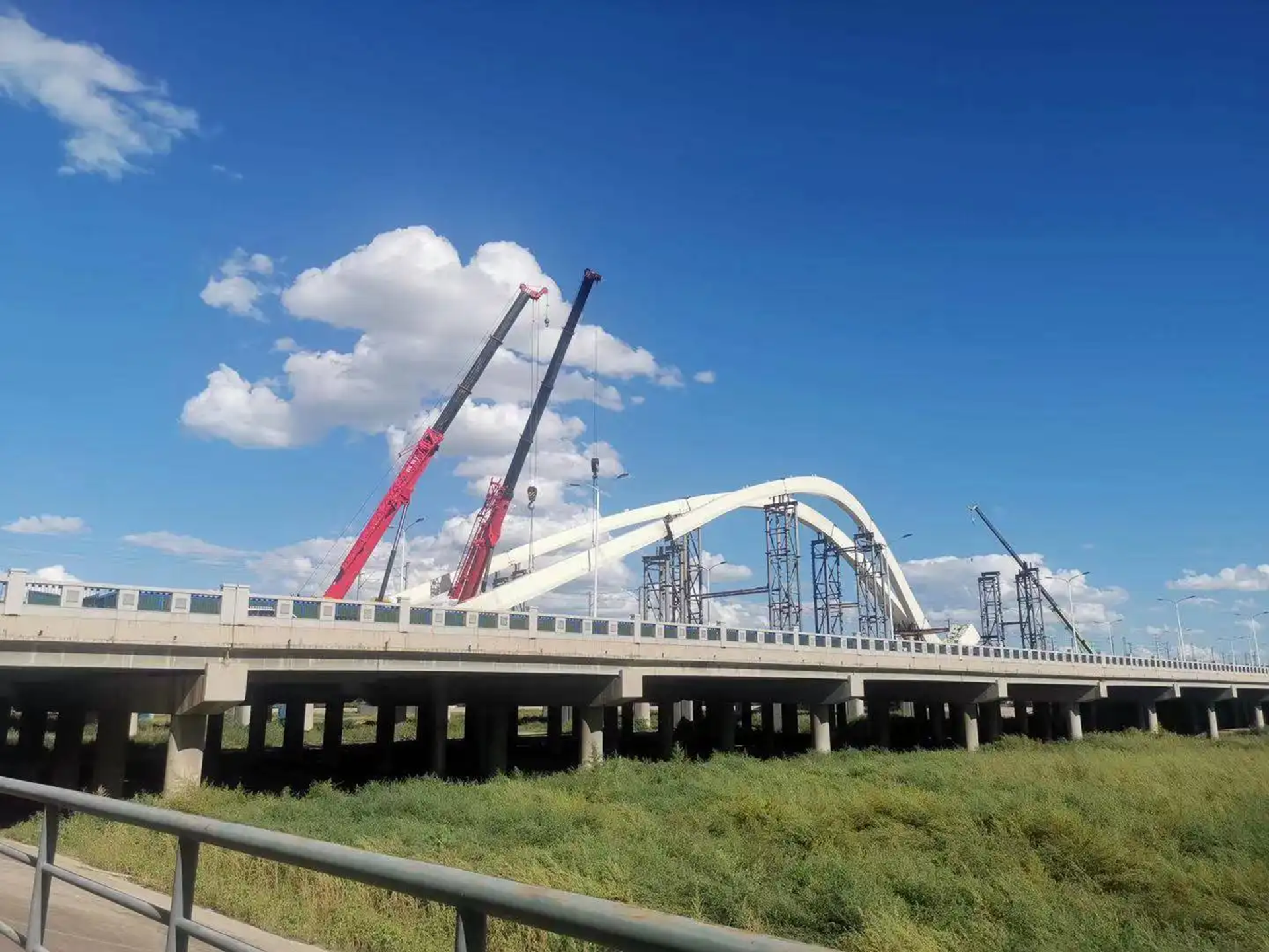
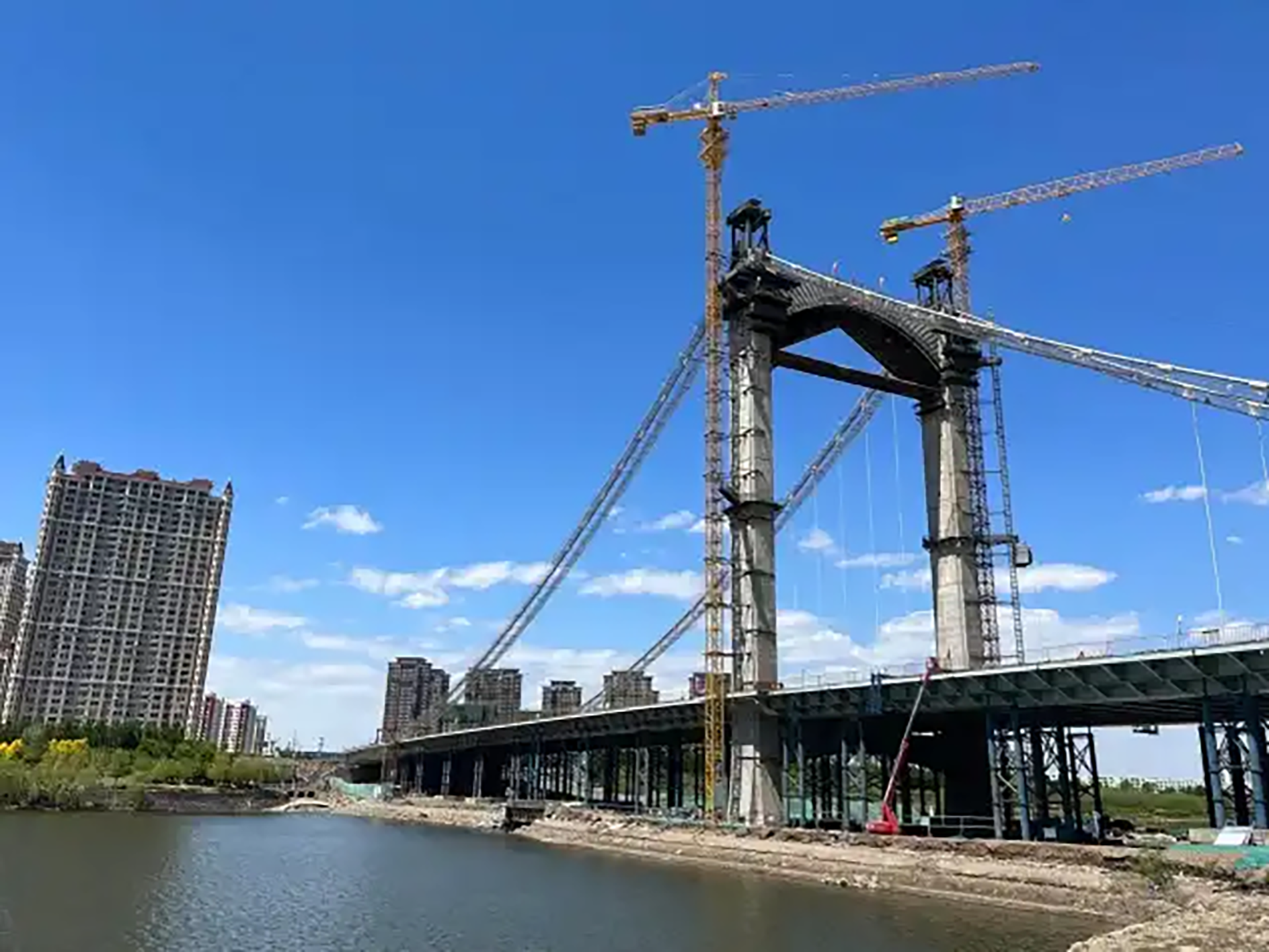
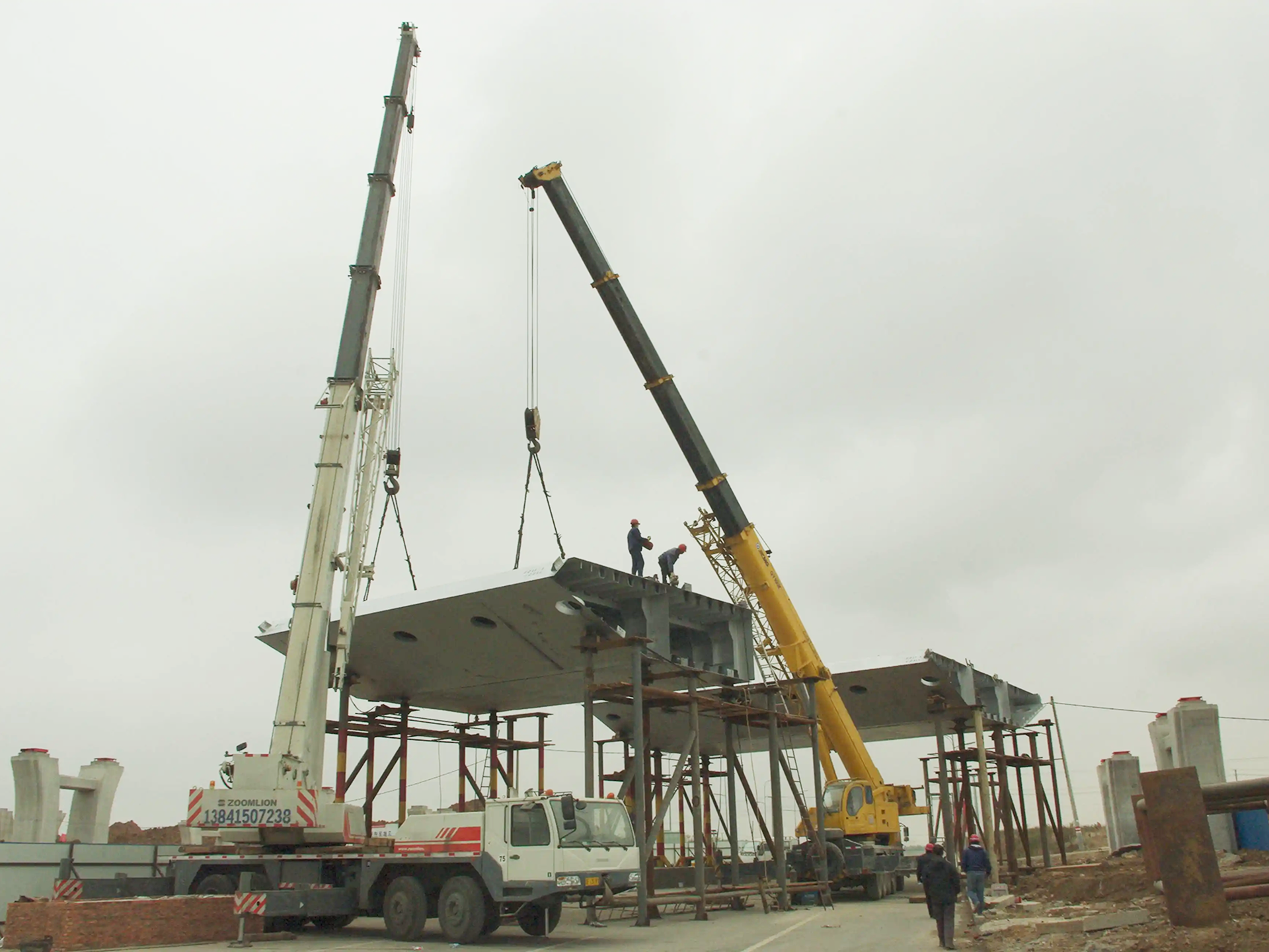
Project case: Shenyang Dongta Bridge over the Hun River.
Scale: The total steel consumption was 18,000 tons.
Challenge: The complexity of the water system in the urban area combined with the very high aesthetic standards.
Result: Based on precision cable clamp positioning and highly efficient production coordination, Zhongda was able to provide a flowing schedule that the team adhered to for this landmark suspension bridge. The project not only delivered 20% faster but also became a local model of infrastructure quality standards.