
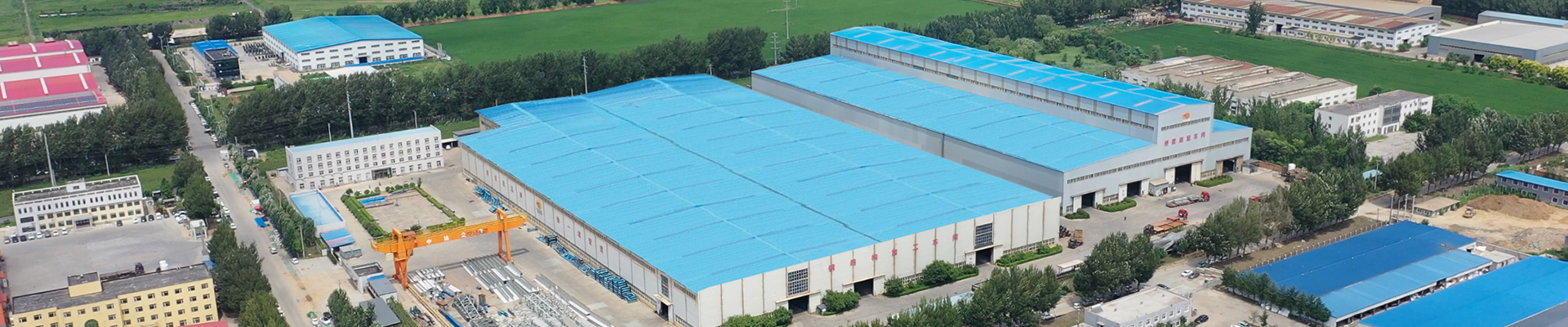
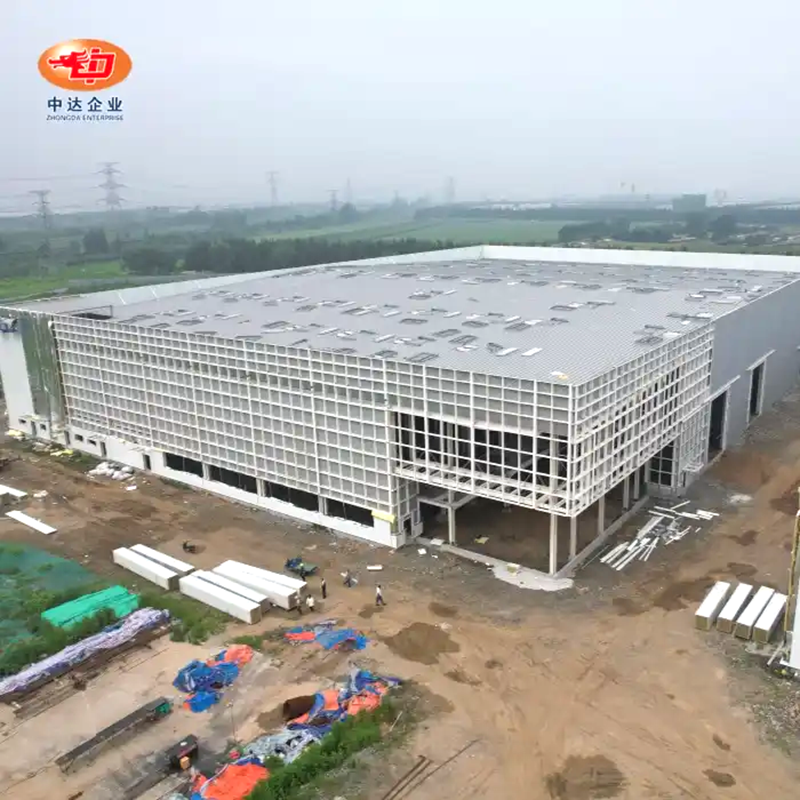
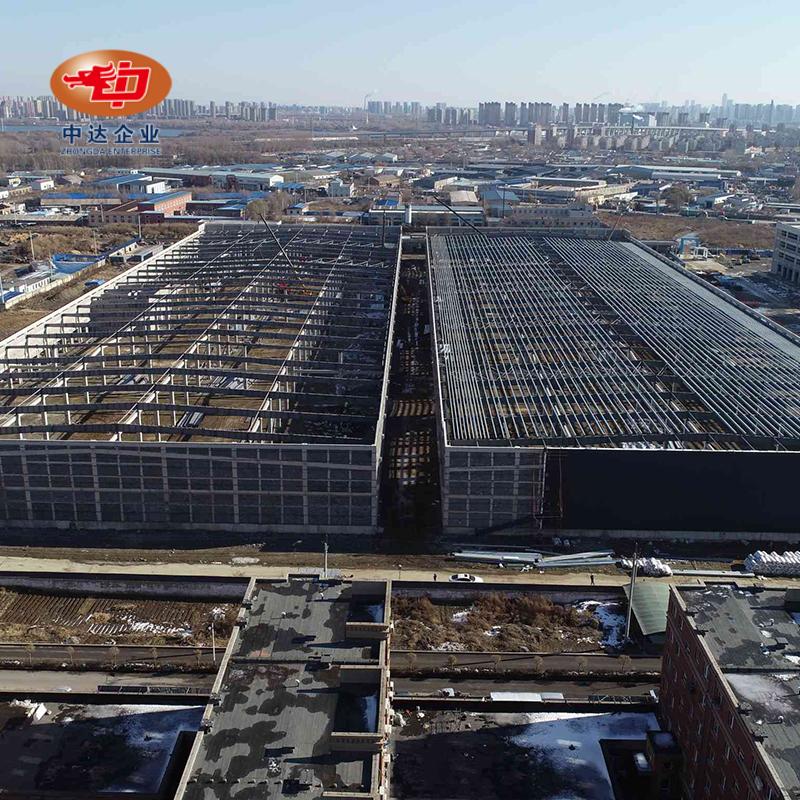
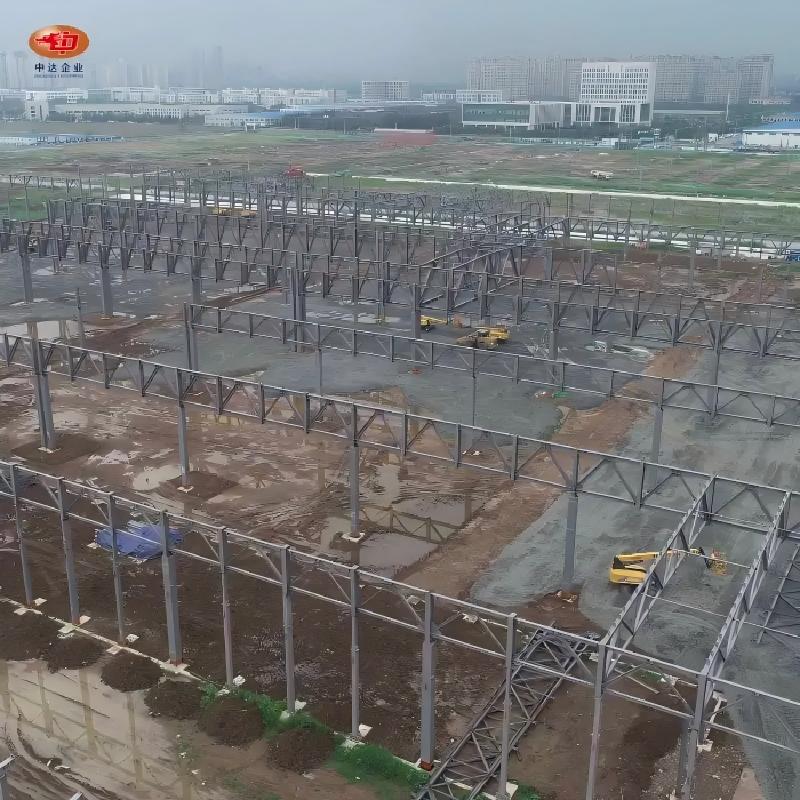
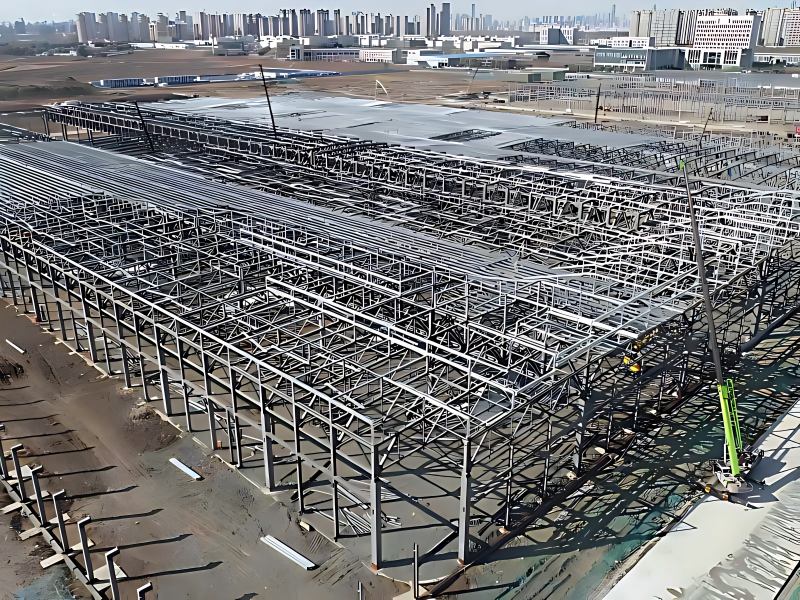
In the modern construction sector, steel structure buildings—including prefab steel warehouses, prefab metal workshops, and prefab metal shop buildings—are gaining increasing popularity in the market. Their outstanding strengths across multiple dimensions, such as user experience, environmental performance, and whole-life cost, make them a core alternative to traditional masonry-concrete and concrete buildings.
1. Excellent Comfort Performance: Balanced Sound Insulation and Stable Thermal Comfort
Outstanding Sound Insulation for Diverse Scenarios
Sound insulation is a core indicator of building user experience. Steel structure buildings, especially those adopting light steel frame systems, outperform traditional masonry structures in sound insulation: the weighted sound reduction index (Rw) of external windows fitted with insulating glass can reach over 30 dB, while the weighted sound insulation value of composite walls composed of light steel keels, glass wool, and gypsum boards can reach 60 dB, effectively blocking both external and internal noise. This makes them widely suitable for scenarios such as prefab metal shop buildings and prefab metal workshops, creating a quiet environment and reducing noise interference for personnel.
FAQ
Q: How does the sound insulation performance of steel structure buildings compare with traditional masonry-concrete buildings?
A: With systematic structural design, steel structures typically deliver superior sound insulation. Masonry-concrete structures tend to form sound transmission channels due to masonry gaps, whereas the insulating glass and integrated walls of steel structures block air-borne sound transmission more effectively.
Stable Thermal Insulation to Reduce Energy Consumption
Steel structure buildings generally use thermal insulation materials such as glass wool, and external wall insulation panels effectively minimize the "cold bridge" effect to maintain stable indoor temperatures. This is particularly beneficial for prefab steel warehouses housing temperature-sensitive goods. A well-designed thermal insulation structure can reduce air conditioning and heating energy consumption by approximately 30%, enhancing operational efficiency and cost-effectiveness.
FAQ
Q: Will the thermal insulation effect be affected under extreme weather conditions?
A: High-quality thermal insulation materials offer stable performance, maintaining excellent thermal insulation even in extreme high or low temperature environments, and keeping indoor temperatures within a relatively stable range.
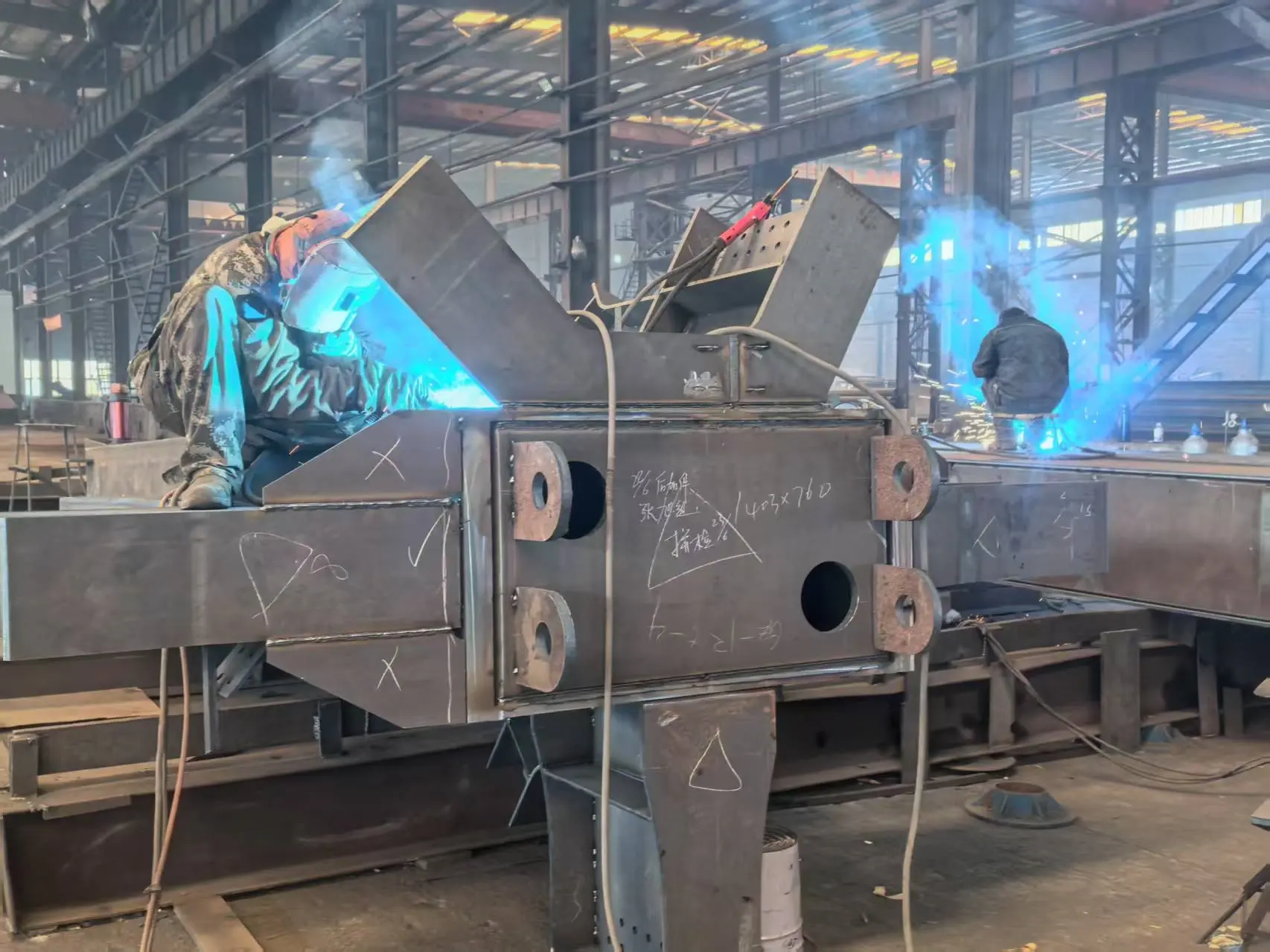
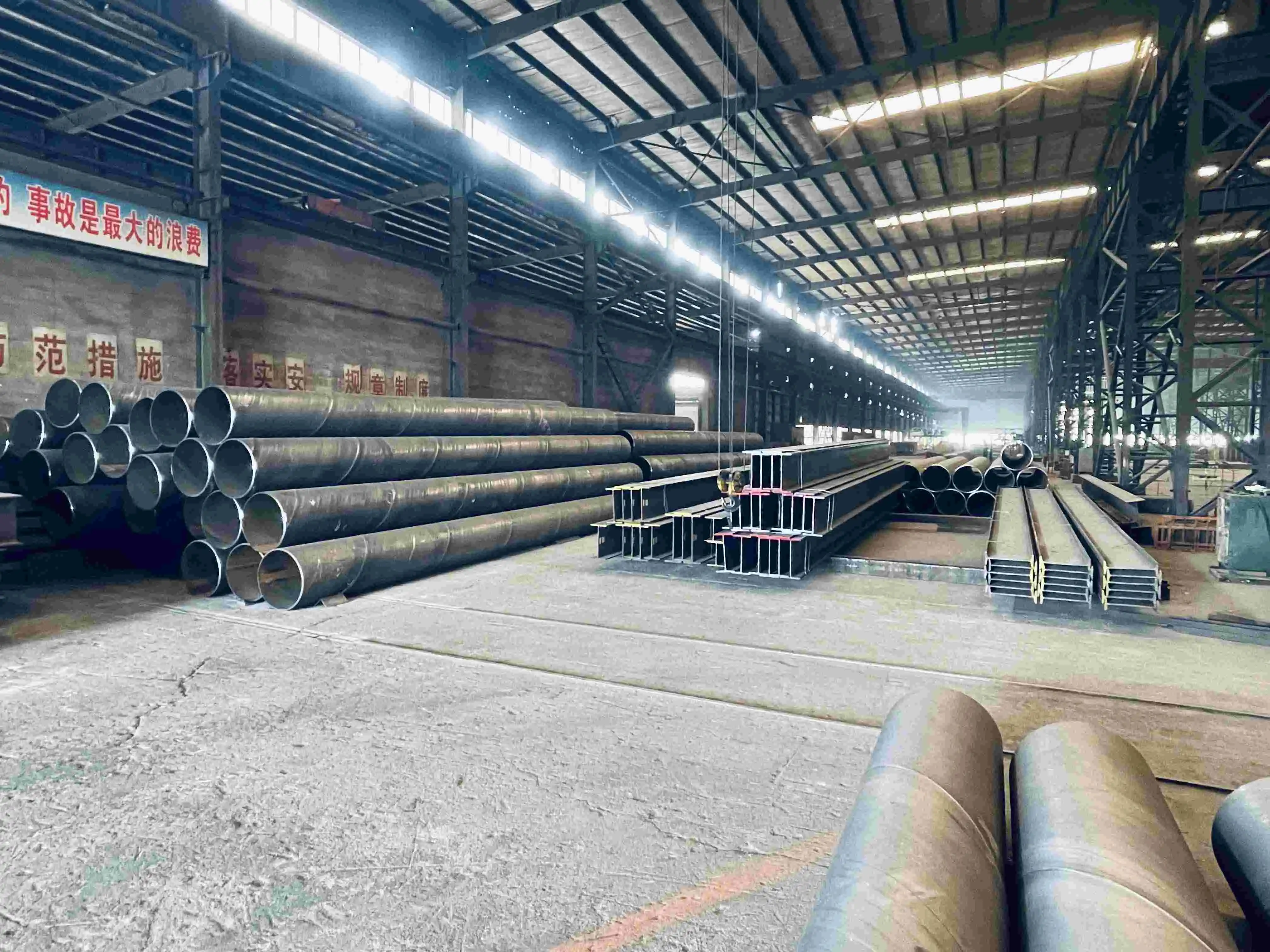
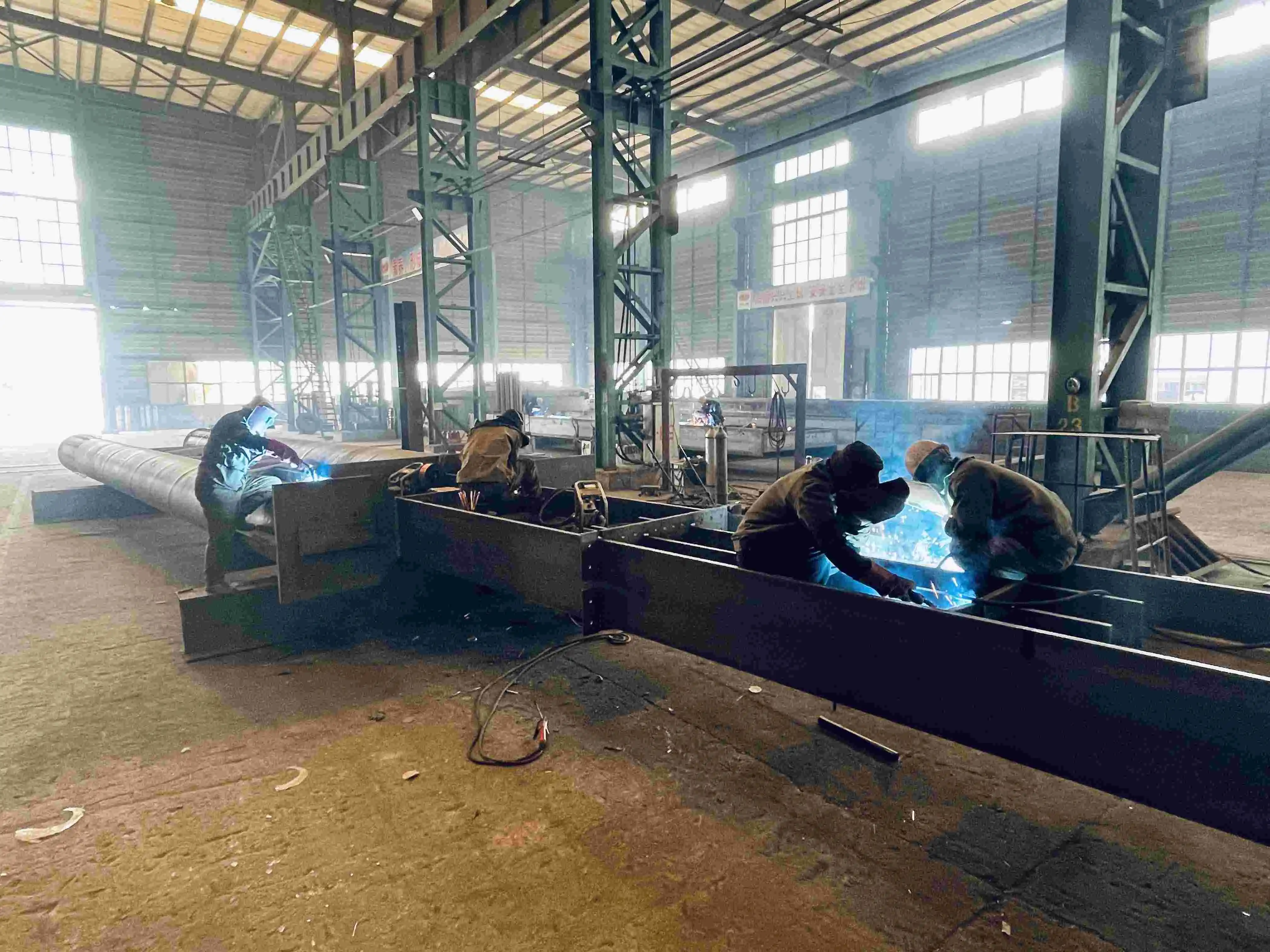
2. Full-Cycle Environmental Protection: Aligned with Green Building Development Trends
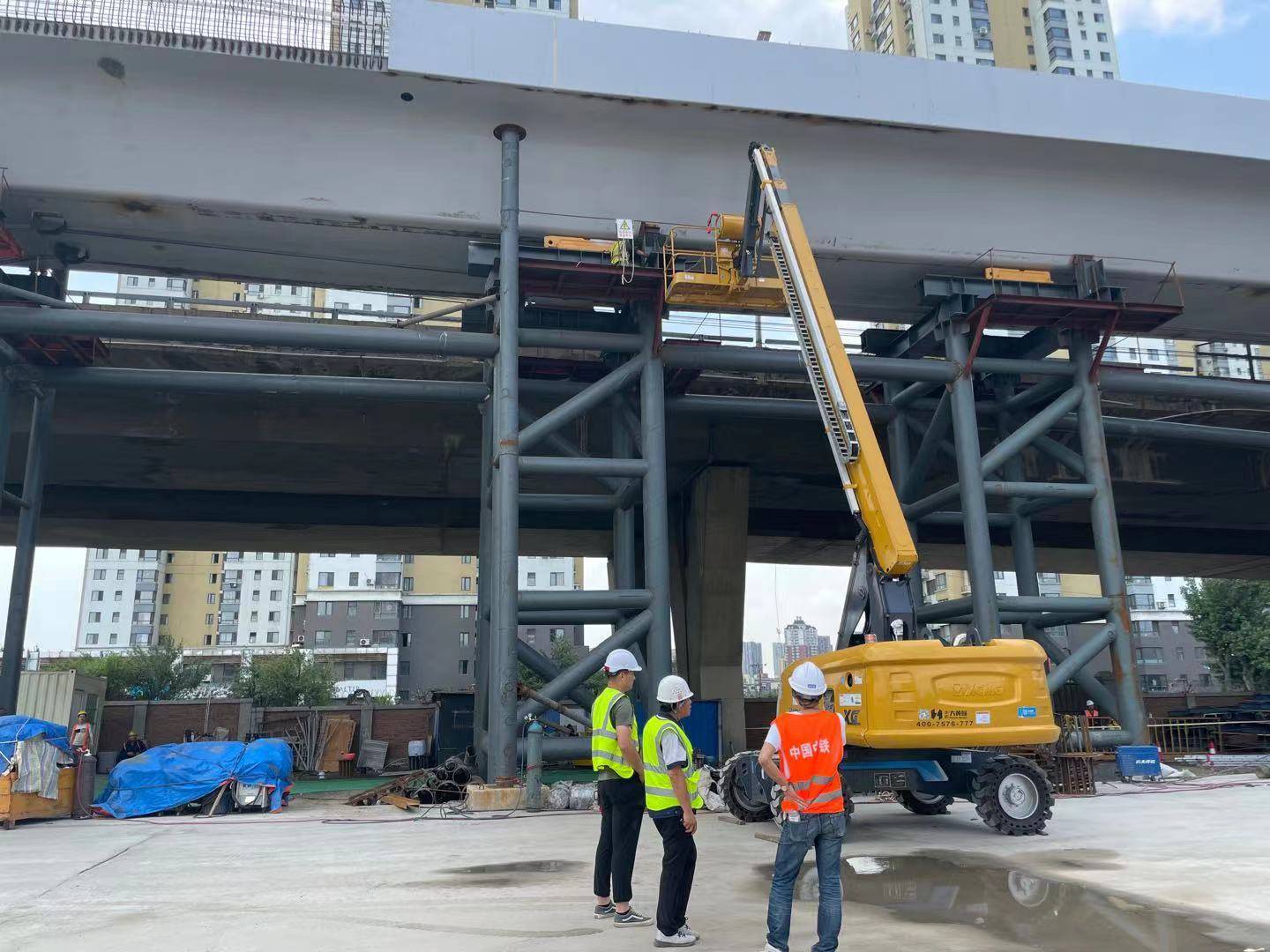
Steel structures are a typical low-carbon building system: steel can be 100% recycled and reused, most supporting materials are also recyclable, and all components meet green building material standards. According to industry data, the construction waste generated by steel structure buildings is only 1/3 to 1/5 of that produced by traditional concrete buildings, and over 60% of construction waste can be reduced during the construction phase, significantly reducing environmental impact.
FAQ
Q: Are green and environmentally friendly materials more expensive?
A: While the initial cost of some green materials is slightly higher, long-term energy savings, reduced waste disposal costs, and the value of material recycling can effectively offset the initial investment. As the industry matures, the cost of green building materials continues to decrease, further improving their cost-effectiveness.
Q: How are materials disposed of when the building reaches the end of its service life?
A: Steel can be recycled and smelted for use in new construction projects, and other recyclable materials can be sorted and processed, greatly reducing the volume of waste sent to landfills.
3. Durable with a Reliable Service Life
Light steel buildings adopt cold-formed thin-walled steel members, and the main steel components are coated with high-corrosion-resistance galvanized or galvalume finishes, ensuring strong rust resistance. Under conventional conditions, the design service life of the main structure can reach 50 years or more, delivering higher asset value for long-term holding projects such as prefab steel warehouses and prefab metal workshops.
FAQ
Q: How often should steel structure buildings be maintained to ensure a long service life?
A: It is recommended to conduct an annual visual inspection, focusing on coatings, joints, and corrosion-prone areas. Under conventional environments, local maintenance of galvanized components is required every 10 to 15 years, and the overall maintenance cost is significantly lower than that of traditional buildings.
4. Efficient Construction: Dry Construction Not Restricted by Seasons
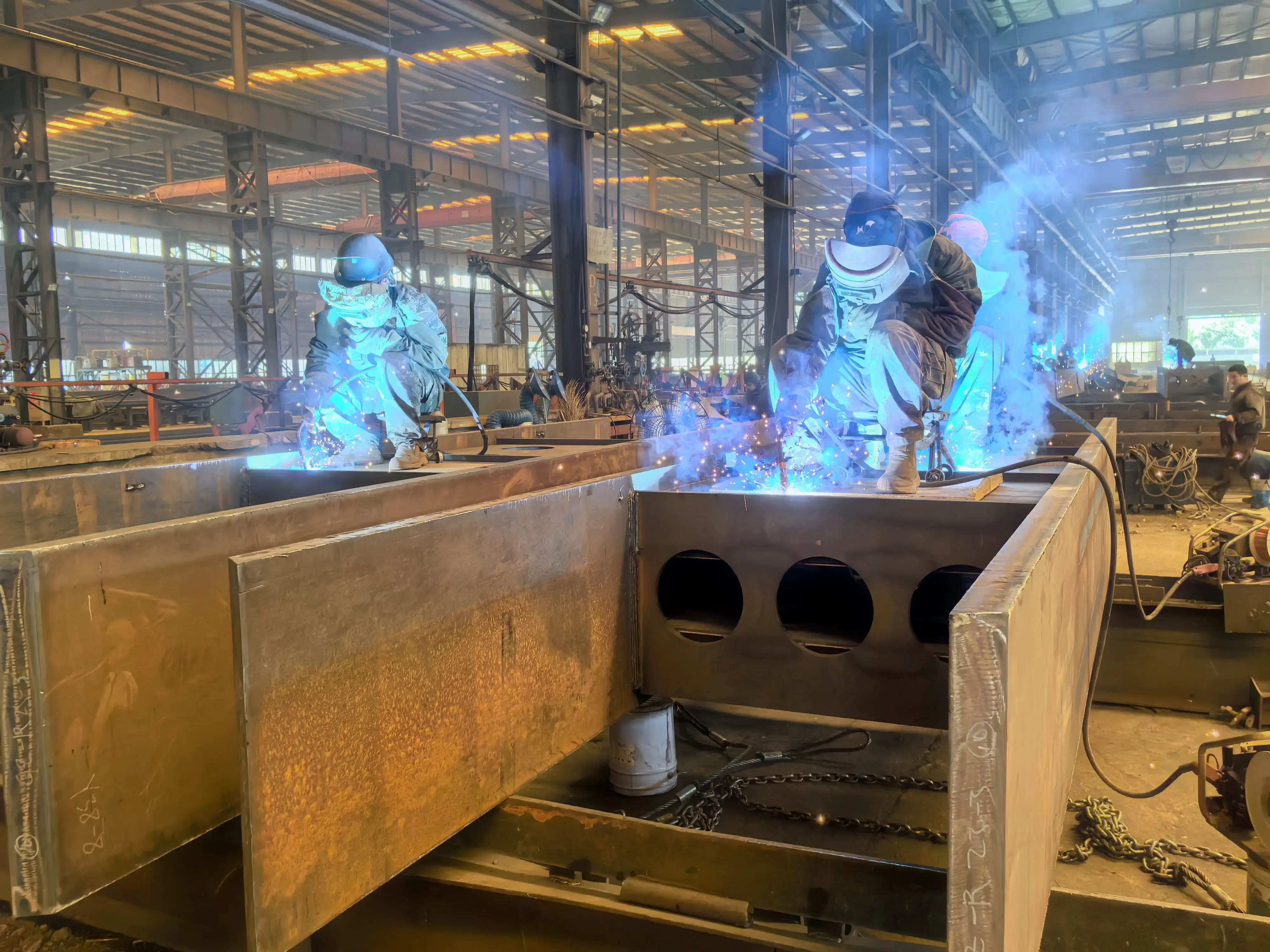
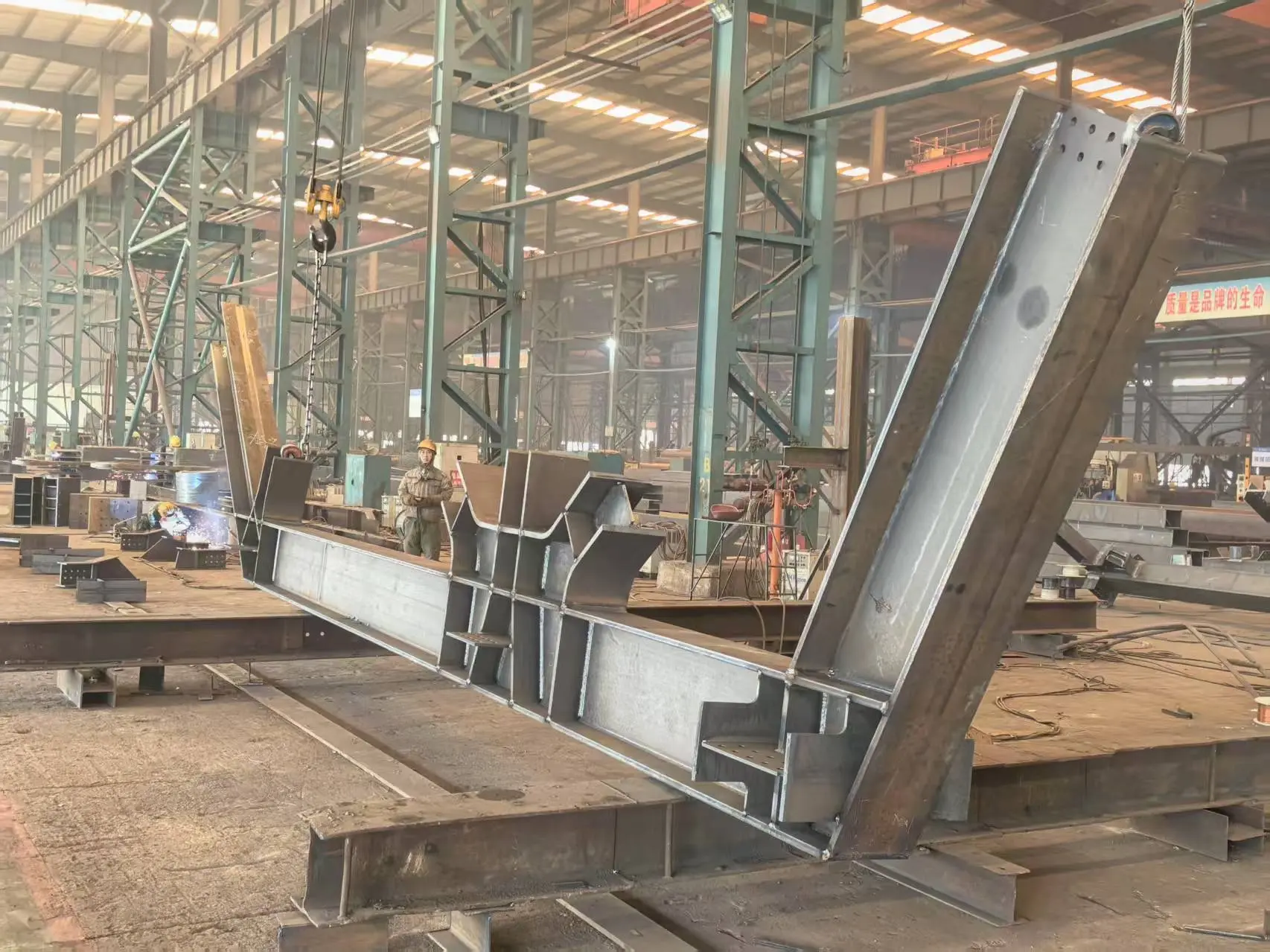
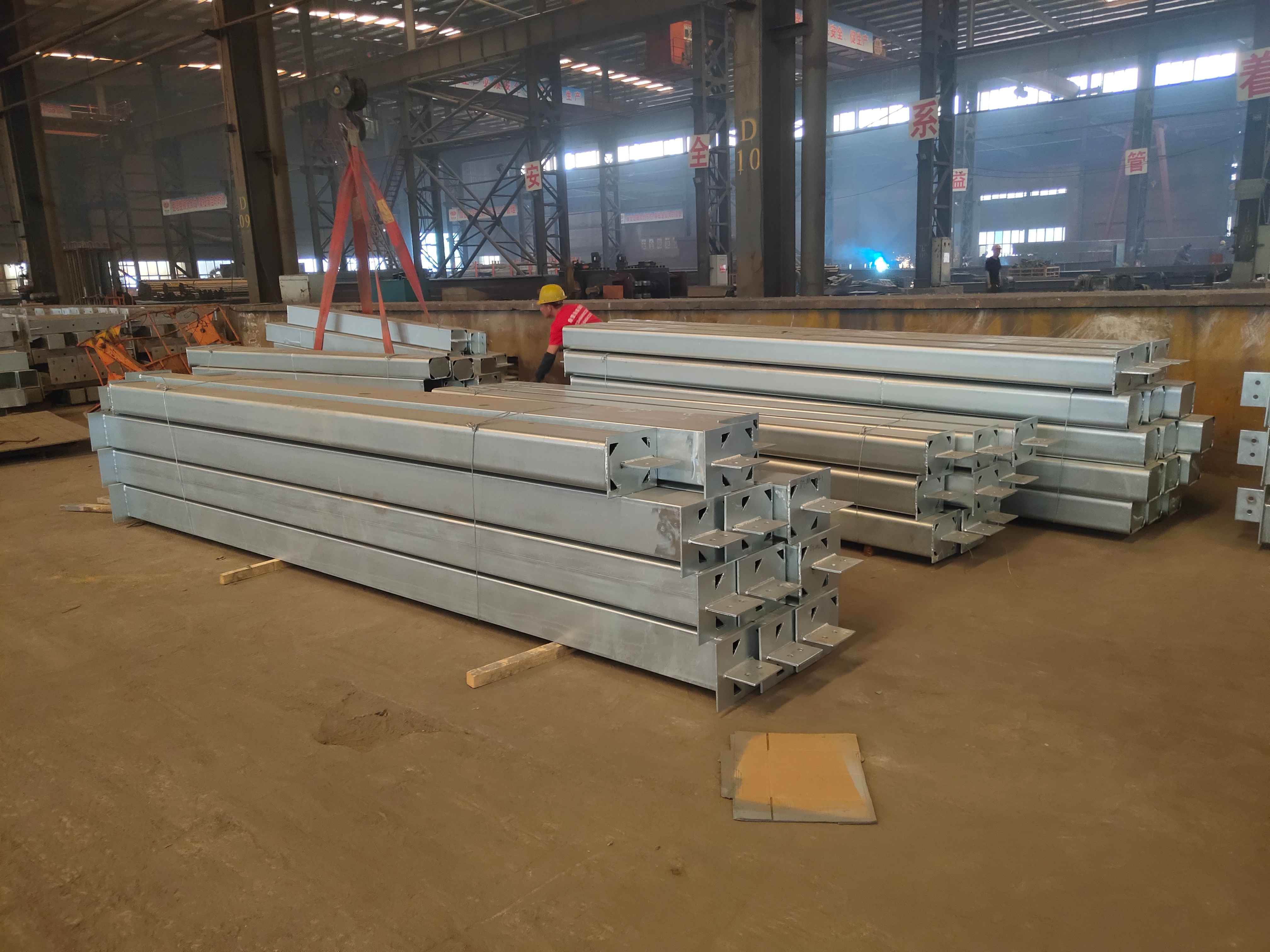
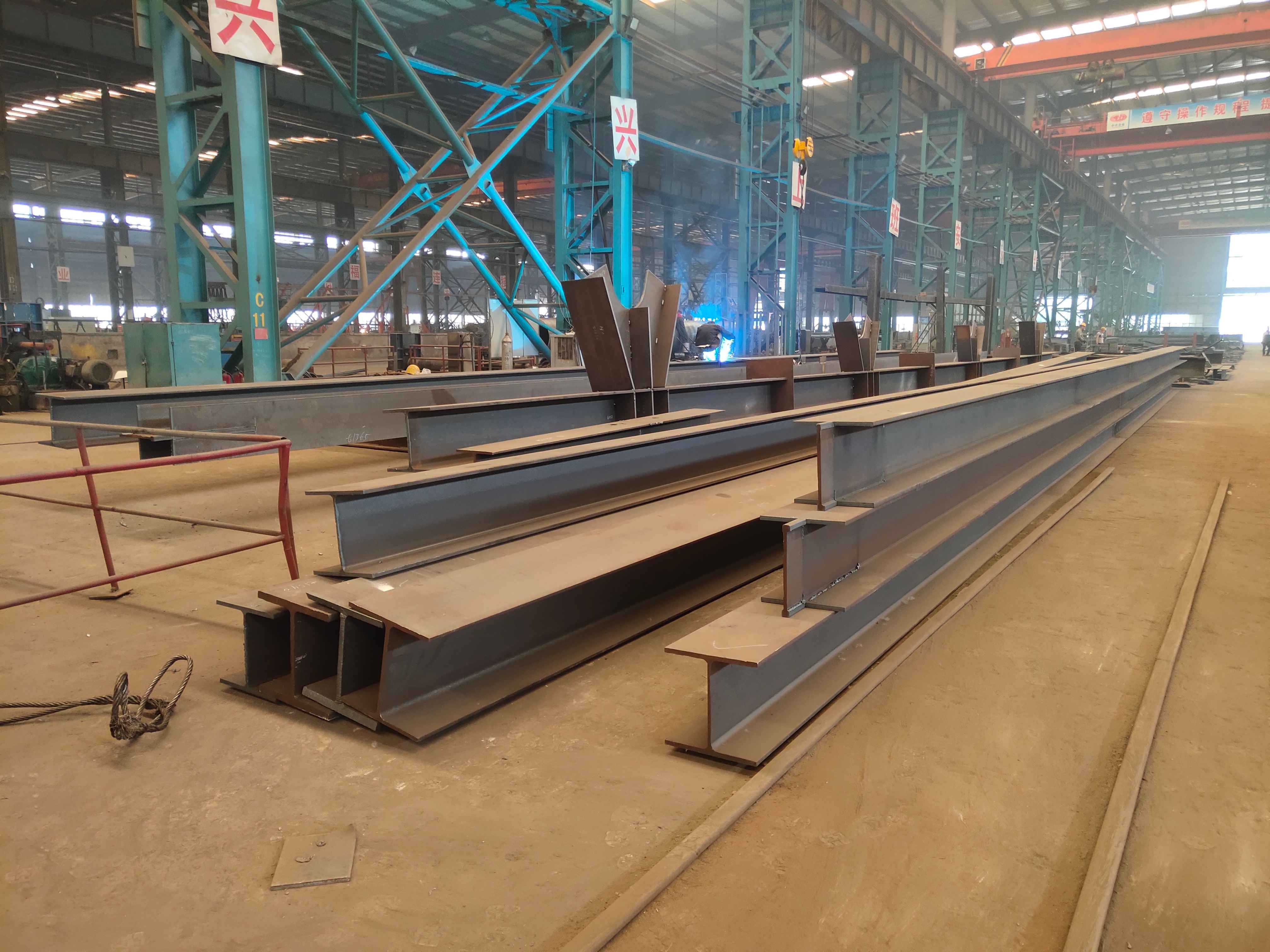
All steel structure components are prefabricated in factories and assembled on-site, with dry construction as the main method—minimizing the impact of seasons and weather, ensuring fast construction speed and a controllable construction period. Light steel walls have a certain humidity-regulating capacity, and the roof system offers good ventilation, allowing the building to be put into use quickly after completion. For projects of the same scale, the construction period of prefab metal shop buildings is significantly shorter than that of traditional structures, accelerating project occupancy and capital recovery.
FAQ
Q: Will a fast construction speed affect building quality?
A: No. Quality is guaranteed by standardized factory production and strict on-site assembly control. With high prefabrication accuracy and controllable processes, the overall quality is more stable and fully meets national specifications.
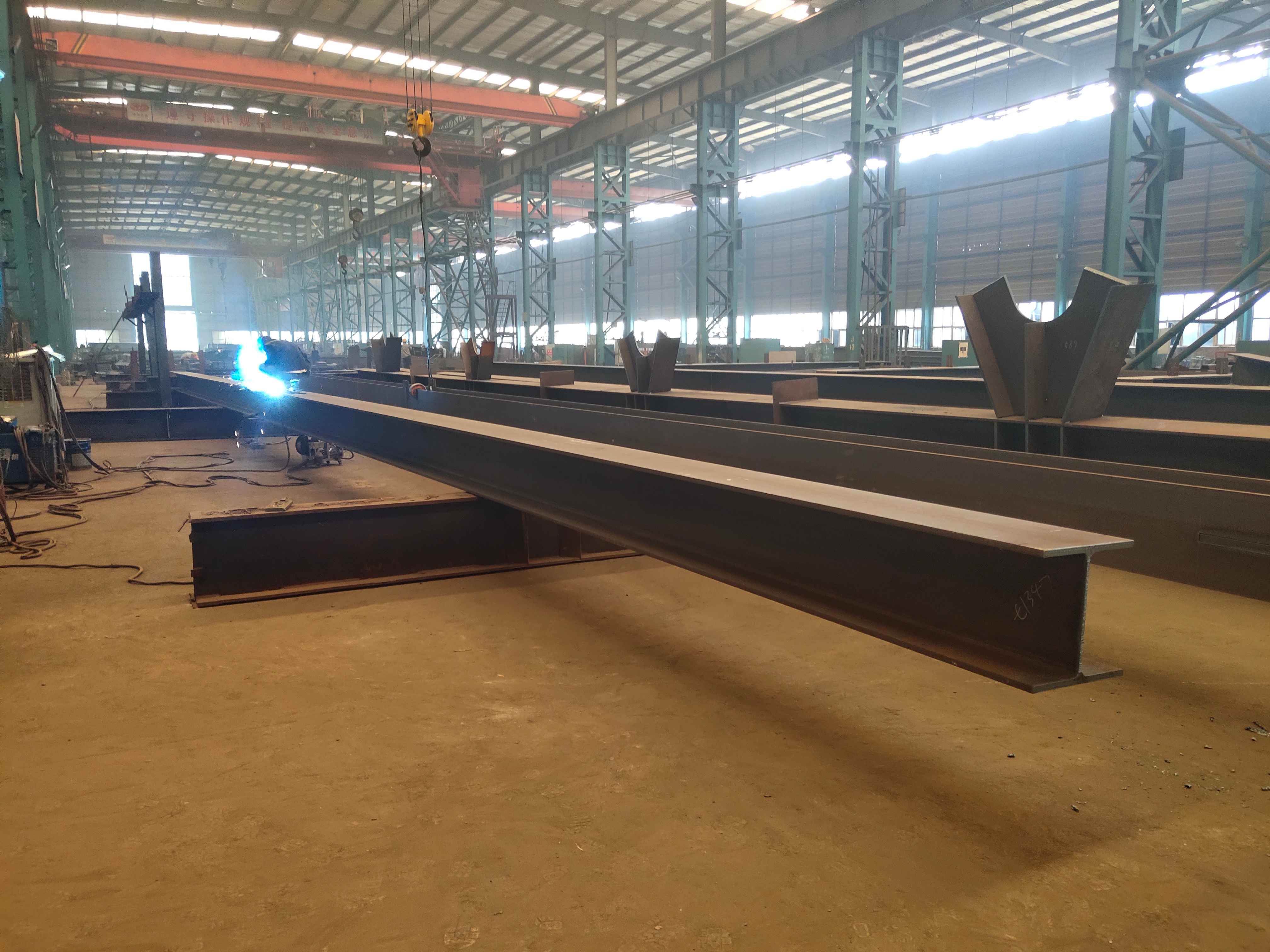
5. Outstanding Long-Term Economy with Remarkable Energy-Saving Effects
The composite walls of steel structures integrate thermal insulation, heat insulation, and sound insulation, offering excellent overall energy-saving performance. This can significantly reduce long-term operating costs for facilities such as air conditioning and heating. This advantage is particularly prominent in buildings used for long periods, such as prefab steel warehouses, prefab metal workshops, and prefab metal shop buildings.
FAQ
Q: How long will it take to see cost savings from energy conservation?
A: Energy-saving effects are apparent immediately after the building is put into operation. The efficient thermal insulation system directly reduces HVAC system load, leading to a significant reduction in electricity expenditure in the first year of use
