
In the world of construction and metalworking, one of the most frequently asked questions, especially when dealing with steel - based projects such as prefab steel warehouse, prefab metal workshop, or prefab metal shop building, is whether steel gets corroded. The short answer is yes, steel is prone to corrosion, but with proper understanding and preventive measures, its effects can be minimized.
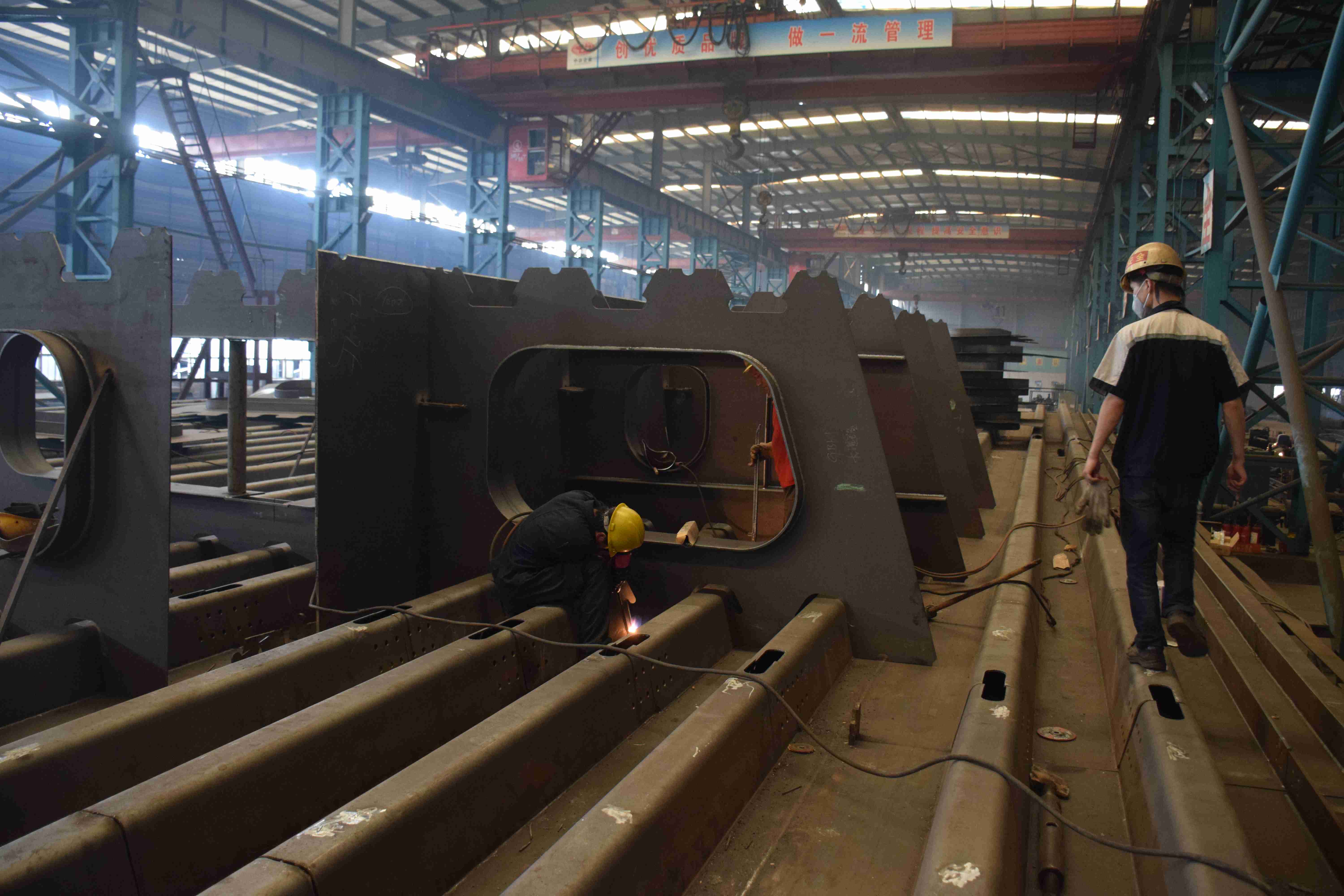
The Corrosion Process of Steel
Steel is an alloy mainly composed of iron, and it is the iron content that makes it susceptible to corrosion. Corrosion of steel is an electrochemical process. When steel is exposed to moisture (water) and oxygen, a chemical reaction occurs. The iron in the steel reacts with oxygen in the presence of water to form iron oxide, commonly known as rust.
The rate of corrosion can vary depending on several factors. For instance, in a highly humid environment, the corrosion process accelerates. A study by the National Association of Corrosion Engineers (NACE) found that in areas with relative humidity above 60%, the corrosion rate of unprotected steel significantly increases. In coastal regions, the presence of salt in the air also acts as a catalyst for corrosion. Saltwater contains dissolved salts like sodium chloride, which can break down the protective oxide layer on steel more rapidly, leading to faster rust formation.
Types of Corrosion in Steel
1. General Corrosion: This is the most common type. It occurs uniformly over the surface of the steel, gradually thinning the metal. For example, in an outdoor prefab steel warehouse that is not properly protected, general corrosion can cause the steel panels to lose thickness over time, reducing their structural integrity.
2. Pitting Corrosion: Pitting is a localized form of corrosion that creates small pits or holes in the steel surface. These pits can be initiated by tiny defects in the steel's surface or the presence of contaminants. In a prefab metal workshop, pitting corrosion can be particularly problematic as it can lead to unexpected failures in critical components.
3. Galvanic Corrosion: This type of corrosion occurs when two different metals are in contact in the presence of an electrolyte (such as water). Steel, when in contact with a more noble metal (a metal with a higher electrode potential), can act as the anode and corrode. For example, if a steel structure is bolted with stainless - steel bolts and exposed to moisture, galvanic corrosion can occur at the contact points.
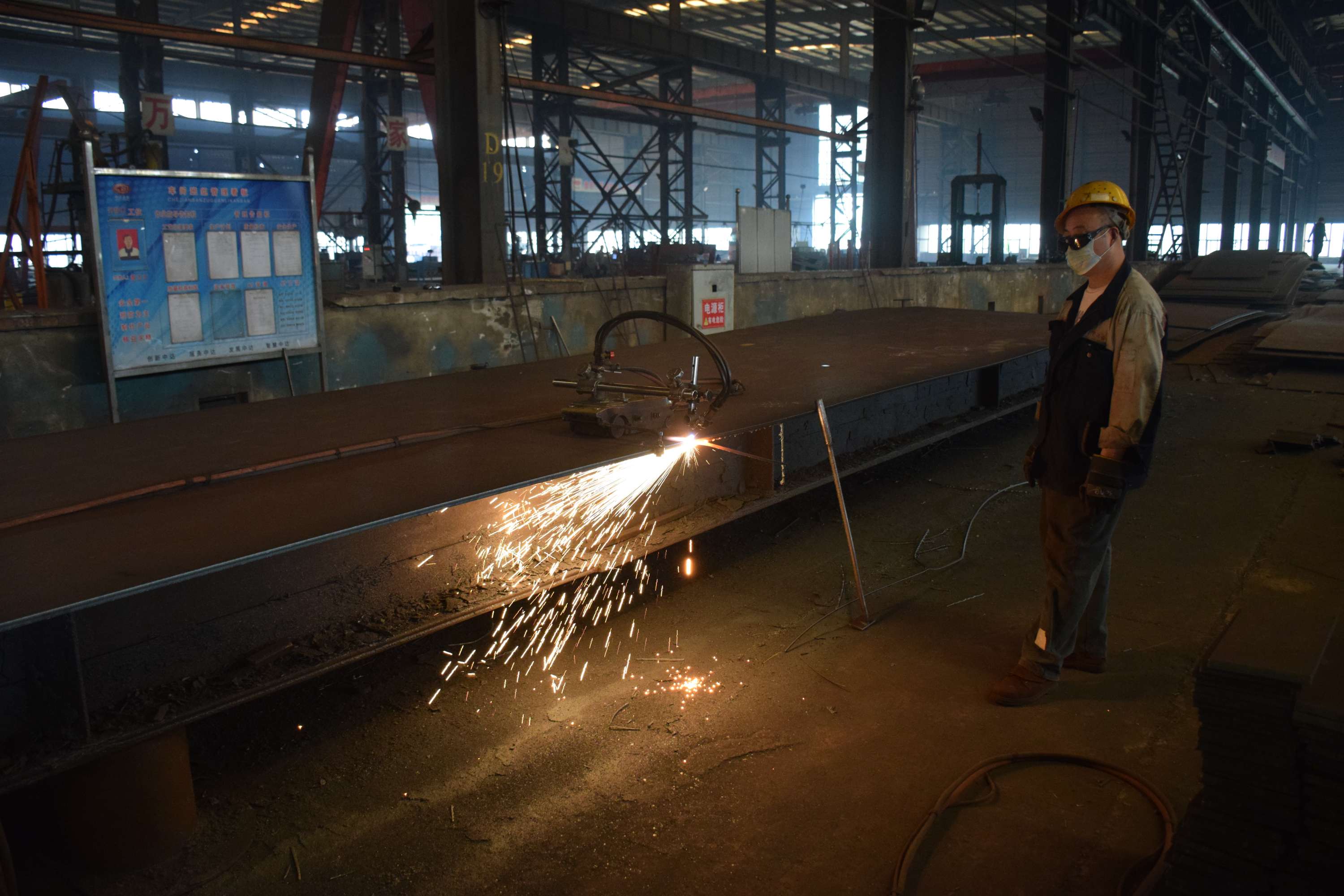
Preventive Measures Against Steel Corrosion
1. Galvanizing: Galvanizing is one of the most widely used methods to protect steel from corrosion. It involves coating the steel with a layer of zinc. Zinc is more reactive than iron, so when the zinc - coated steel is exposed to the environment, the zinc corrodes preferentially, sacrificing itself to protect the underlying steel. According to industry standards, a hot - dip galvanized coating can provide protection for up to 50 years in a normal atmospheric environment. For a prefab metal shop building in a non - industrial, non - coastal area, galvanized steel can be a cost - effective and long - lasting solution.
2. Coatings: Applying protective coatings such as paint, epoxy, or polyurethane can create a physical barrier between the steel and the corrosive environment. Epoxy coatings, for example, are known for their excellent adhesion to steel and their ability to resist chemicals and moisture. A well - applied epoxy coating can last 10 - 15 years with proper maintenance. In a prefab metal workshop where the steel is exposed to industrial pollutants, a multi - layer coating system may be required for enhanced protection.
3. Cathodic Protection: This method involves using a sacrificial anode or an impressed current to prevent the corrosion of the steel. In the case of sacrificial anode cathodic protection, a more reactive metal (such as magnesium or zinc) is connected to the steel structure. The sacrificial anode corrodes instead of the steel, providing long - term protection. This is commonly used in underground steel pipelines or in steel structures in marine environments.
FAQs
Q: How often should I inspect galvanized steel for signs of corrosion?
A: In a normal environment, it is recommended to conduct visual inspections of galvanized steel at least once a year. However, in harsh environments such as coastal areas or industrial zones, inspections should be carried out every 6 months. Look for signs of white rust (a sign of zinc corrosion) or any exposed steel areas.
Q: Can I use regular paint to protect steel in a prefab steel warehouse?
A: Regular paint can provide some protection, but it may not be sufficient in the long run, especially in harsh environments. For a prefab steel warehouse, it is advisable to use specialized coatings like epoxy - based paints or high - performance coatings. These coatings offer better adhesion, durability, and resistance to moisture and UV radiation.
