
In the realm of modern residential construction, steel-frame structures have emerged as a popular and practical choice. Whether it's for a small single-family home or a large-scale housing development, steel-frame residential construction offers a plethora of benefits.
1. Structural Integrity and Safety
Steel is renowned for its high strength. This characteristic allows steel-framed houses to support substantial loads, providing a robust and stable structure. In areas prone to natural disasters such as earthquakes, steel's ductility plays a crucial role. It enables the frame to deform under stress rather than break suddenly, effectively dissipating seismic energy. This significantly enhances the safety of the residents during seismic events. For instance, in regions with a history of seismic activity, steel-framed homes have shown better resistance to earthquake-induced damages compared to some other construction types.
2. Construction Speed
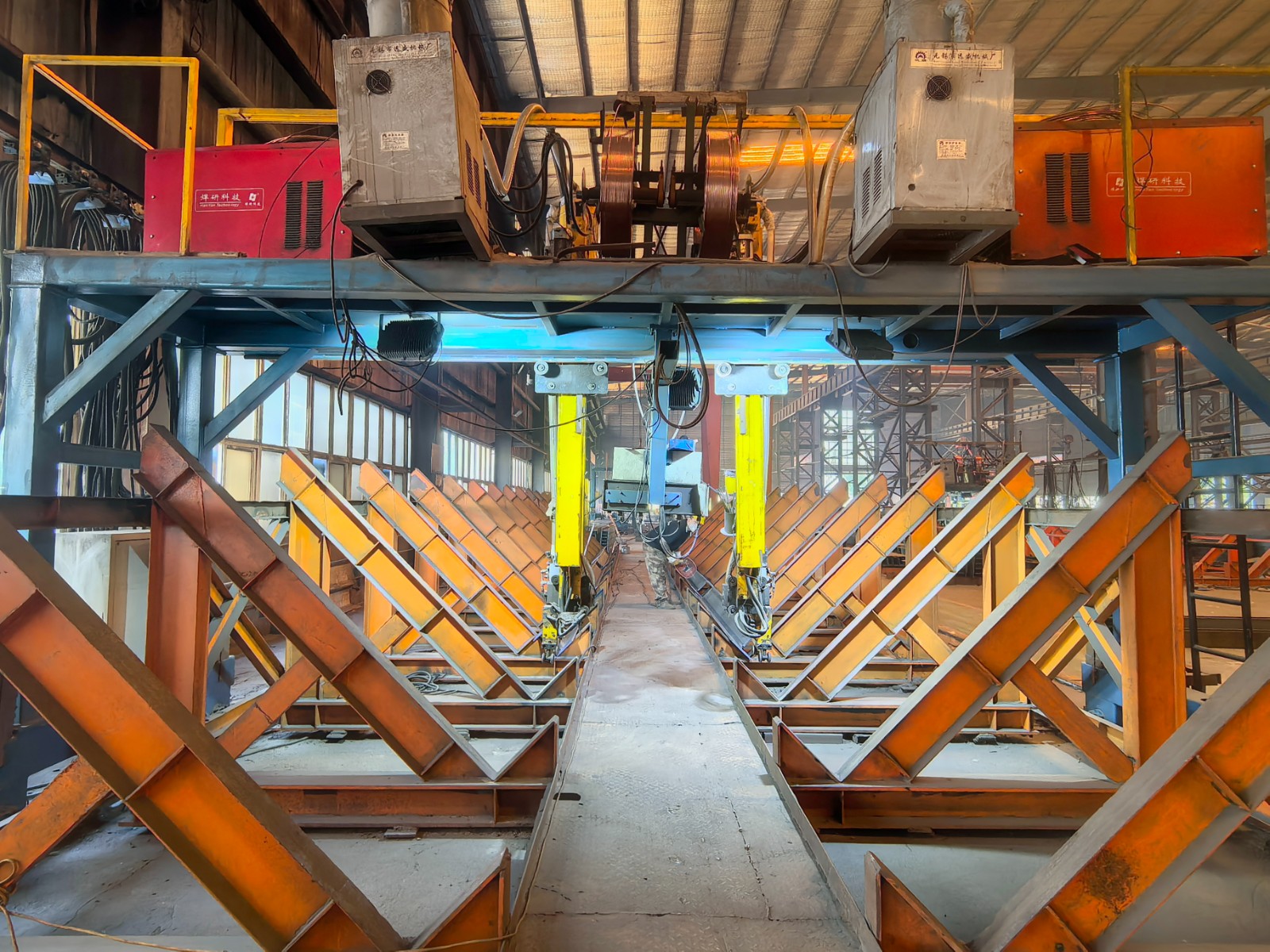
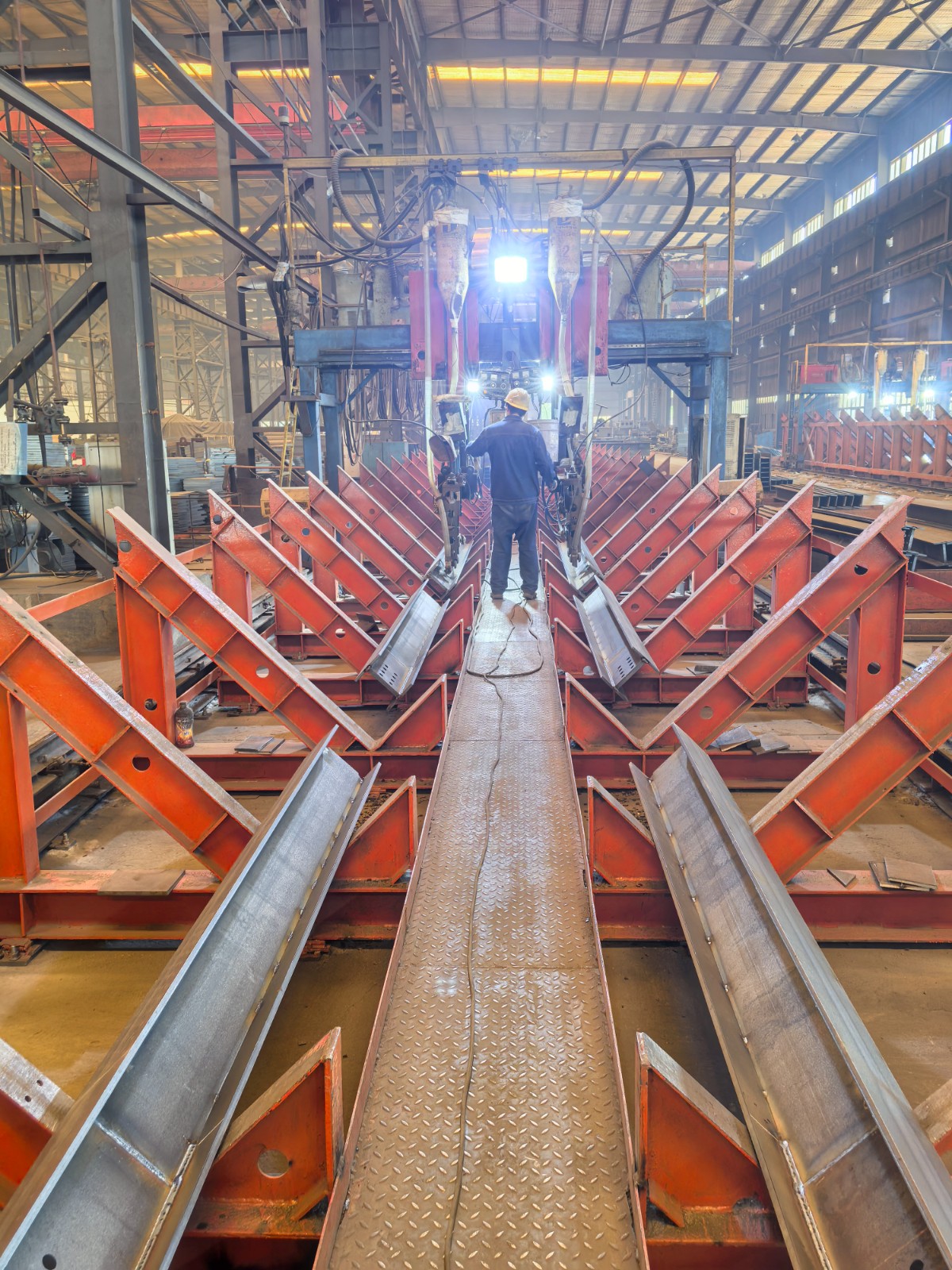
Steel - framed residential buildings often utilize a pre-fabricated construction approach. Steel components are manufactured in a factory setting with precise and controlled processes. These pre - fabricated parts are then transported to the construction site for assembly. This method reduces the amount of on-site construction work, as much of the fabrication is done off-site. As a result, the overall construction timeline can be shortened significantly. For example, compared to traditional brick-and-mortar or concrete-based construction methods, the erection of a steel-framed house can progress more rapidly, allowing homeowners to move in sooner.
3. Design Flexibility
One of the major advantages of steel-frame construction is the design flexibility it offers. Steel's strength allows for the creation of large, open-plan interiors. Interior load-bearing walls can be minimized, providing homeowners with more open and unobstructed living spaces. This is particularly beneficial for modern architectural designs that emphasize open-concept living areas. Additionally, steel can be fabricated into various shapes and sizes, enabling architects to bring unique and creative design ideas to life. Whether it's a curved roofline or an irregularly shaped building, steel-frame construction can accommodate a wide range of design preferences.
4. Durability
Steel is a highly durable material. Unlike wood, which can be susceptible to rot, decay, and insect damage over time, steel is resistant to these issues. It doesn't warp, bend, or expand significantly due to changes in temperature or humidity. With proper maintenance, a steel-framed house can maintain its structural integrity for a long time. Regular inspections and simple maintenance tasks, such as checking for signs of corrosion in areas where the steel might be exposed, can help ensure the long-term durability of the structure.
5. Environmental Friendliness
Steel is a sustainable construction material. It is 100% recyclable, meaning that at the end of a building's life cycle, the steel components can be recovered and reused in new construction projects. This significantly reduces the amount of construction waste that ends up in landfills. Moreover, steel - framed construction often results in less waste during the building process itself, as the pre-fabricated nature of the components leads to more precise material usage.
6. Energy Efficiency
Steel-framed residential buildings can be designed with energy-efficient features. The use of insulated steel panels or proper insulation in the walls and roof can help improve the building's thermal performance. This means that less energy is required for heating and cooling, resulting in lower energy bills for the residents. Additionally, modern steel-frame designs can incorporate features such as energy-efficient windows and ventilation systems to further enhance the overall energy efficiency of the home.
FAQs
Q: Is steel-frame construction suitable for all types of climates?
A: Steel-frame construction can be adapted to various climates. In colder climates, proper insulation can be added to prevent heat loss. In hot and humid climates, the design can incorporate features to promote ventilation and keep the interior cool. However, in areas with extremely corrosive environments, such as coastal regions with high salt content in the air, additional anti-corrosion measures may be necessary to protect the steel frame.
Q: Can I make changes to the interior layout of a steel-framed house in the future?
A: Yes, the flexibility of steel - frame construction often allows for easier interior layout changes. Since the steel frame provides the primary structural support, non-load-bearing walls can be more easily moved or modified. This gives homeowners the freedom to adapt the interior space as their needs change over time, such as creating an open-plan living area or adding a new room.
