
In the construction industry, the choice between steel and concrete is a crucial decision that can significantly impact the outcome of a project. Both materials have their own unique properties, but steel offers several distinct advantages over concrete in various aspects.
1. Strength - to - Weight Ratio
Steel has an impressive strength - to - weight ratio. It can bear substantial loads while being relatively lightweight compared to concrete. This characteristic makes steel an ideal choice for structures where minimizing the dead weight is essential, such as high - rise buildings or long - span bridges. The lighter weight of steel also simplifies the transportation and handling of construction materials, reducing associated costs and logistical challenges.
2. Construction Speed
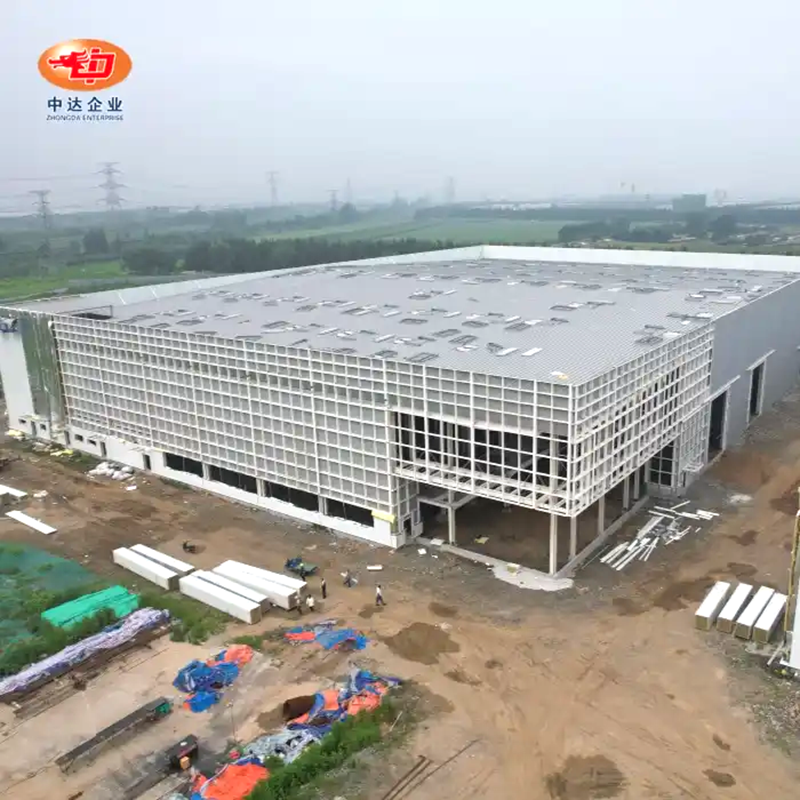
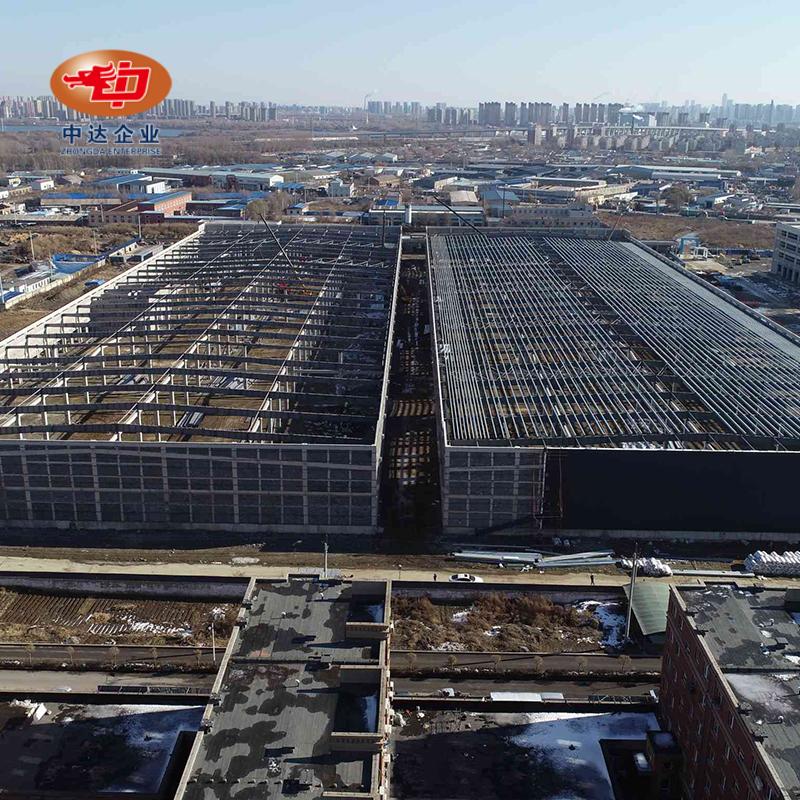
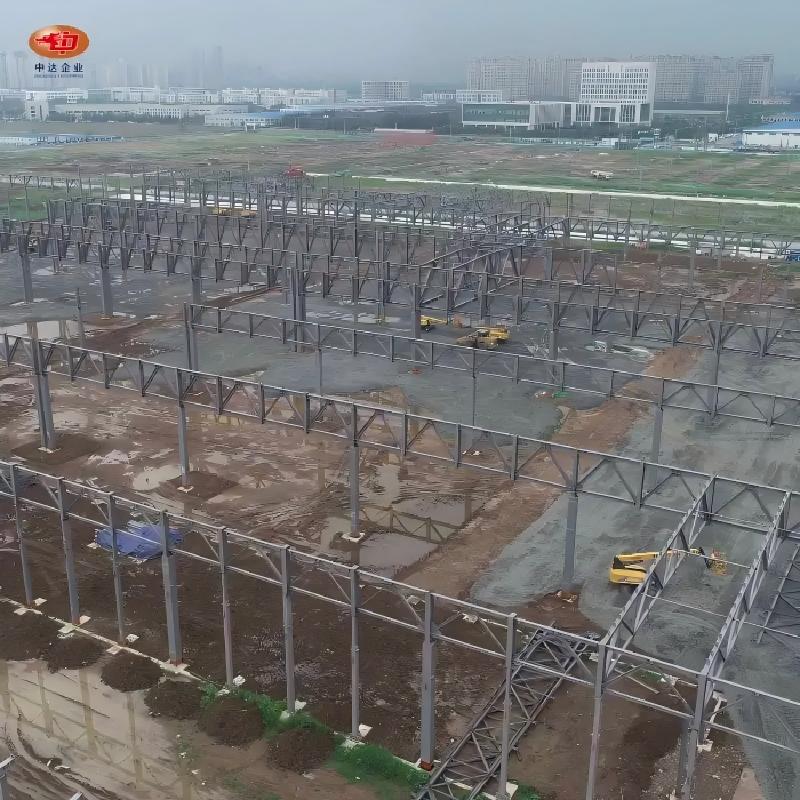
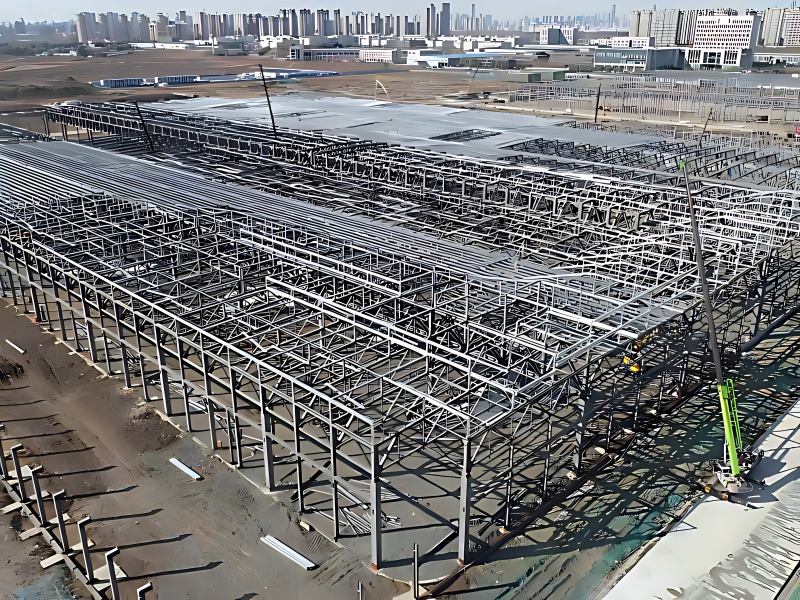
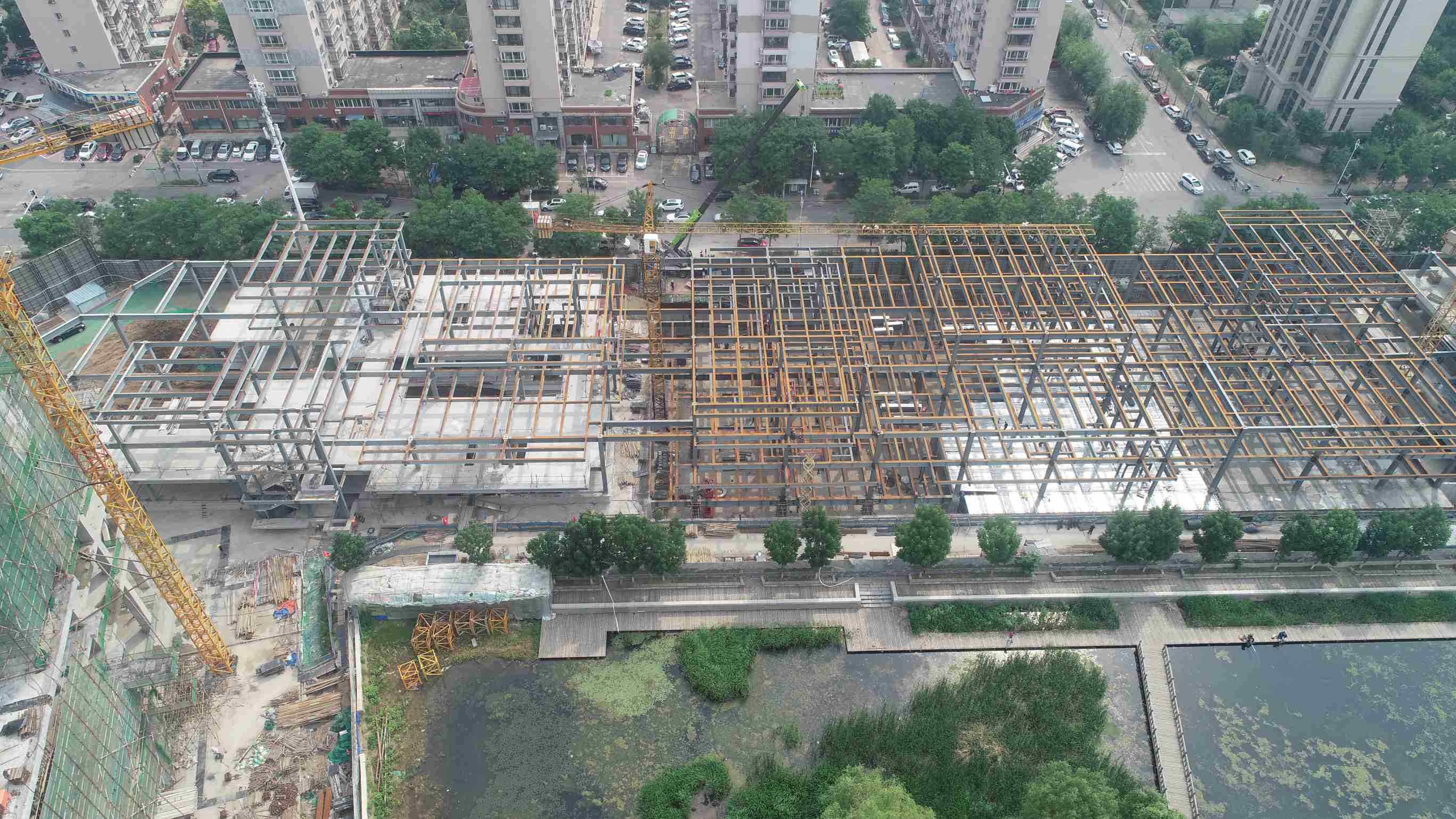
Steel components are often pre - fabricated in factories under controlled conditions. These pre - fabricated elements can then be quickly assembled on - site. This pre - fabrication process significantly shortens the overall construction time compared to concrete construction, which may involve on - site mixing, pouring, and curing. For instance, erecting a steel - framed building can be completed more rapidly, allowing for earlier occupancy or use of the structure.
3. Design Flexibility
Steel provides architects and engineers with greater design flexibility. It can be fabricated into various shapes and sizes, enabling the creation of unique and complex architectural forms. In contrast, concrete, while versatile, has more limitations in terms of shaping. Steel allows for the construction of large, open - plan spaces with fewer interior columns, providing more unobstructed floor area and a more adaptable layout for different functions, whether it's a commercial prefab steel warehouse, a prefab metal workshop, or a modern - style residential building.
4. Ductility
Steel exhibits excellent ductility, meaning it can deform significantly under stress without breaking. This property is particularly beneficial in seismic - prone areas. During an earthquake, the steel structure can absorb and dissipate seismic energy through controlled deformation, reducing the risk of sudden collapse. Concrete, on the other hand, is more brittle and may crack or fail more abruptly under similar stress conditions.
5. Durability in Certain Environments
In some environments, steel can offer better durability. For example, in industrial settings where there may be exposure to chemicals, steel can be treated with specialized coatings to resist corrosion and chemical attacks. Additionally, steel structures can be designed to be more resistant to impact, which is useful in areas where there is a risk of physical damage, such as in transportation hubs or industrial yards.
6. Recyclability
Steel is highly recyclable. At the end of a building's life cycle, the steel components can be easily recovered and reused in new construction projects. This not only reduces the environmental impact by minimizing waste sent to landfills but also conserves natural resources. Concrete, while it can be recycled in some cases, the process is more complex and less straightforward compared to steel recycling.
FAQs
Q: Is steel more expensive than concrete?
A: The cost of steel and concrete can vary depending on several factors such as location, market conditions, and project requirements. In some cases, the initial cost of steel may be higher due to the cost of raw materials and pre - fabrication. However, when considering the long - term benefits like faster construction, reduced maintenance, and potential for reuse, the overall cost - effectiveness of steel can be competitive. It's important to get detailed cost estimates from suppliers and contractors for a specific project to accurately compare the costs.
Q: Does steel require more maintenance than concrete?
A: Steel is susceptible to corrosion, especially in humid or corrosive environments. So, it may require regular inspections and maintenance to ensure the integrity of anti - corrosion treatments. However, with proper preventive measures like galvanizing or applying protective coatings, the maintenance requirements can be managed. Concrete also has its own maintenance needs, such as protecting against cracking and wear. In some cases, the maintenance of a well - protected steel structure may not necessarily be more onerous than that of a concrete one.
