
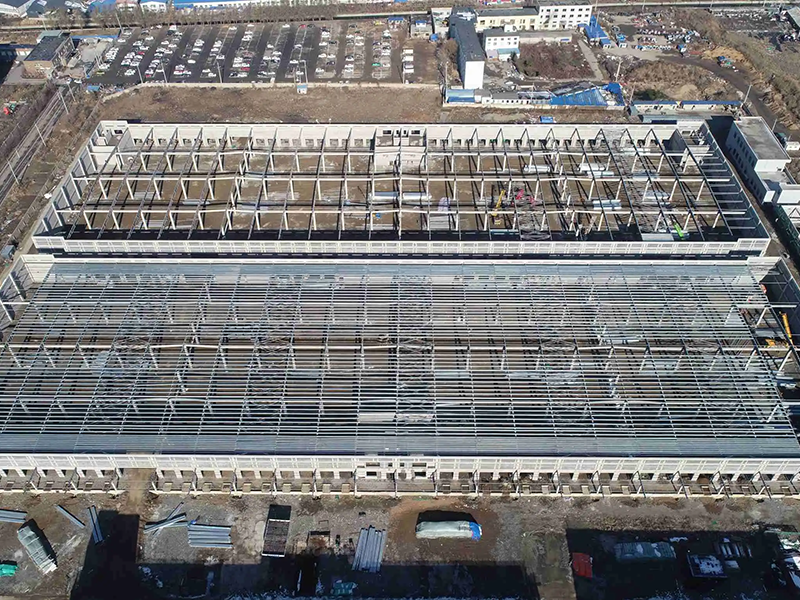
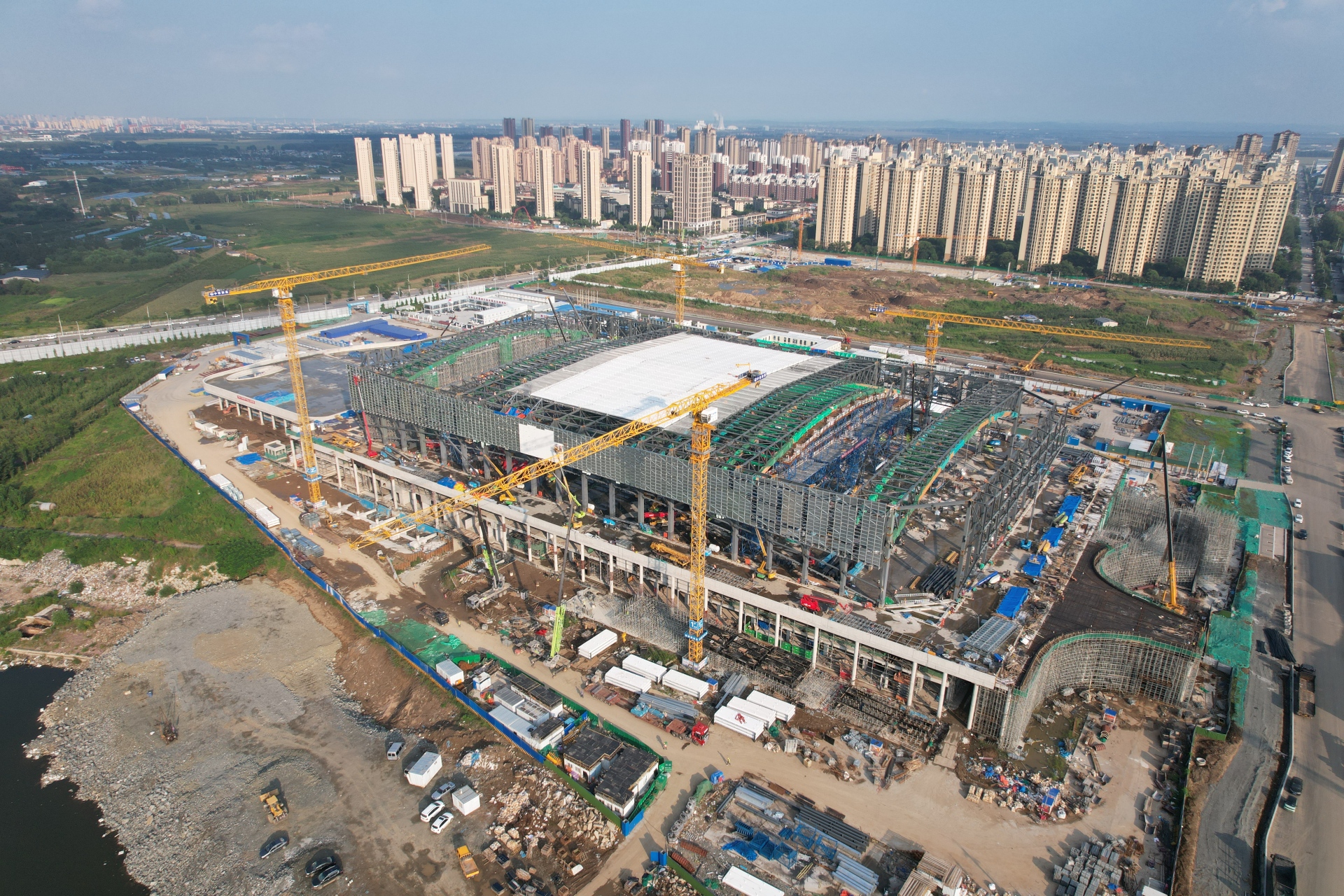
In the global construction industry, professionals and enthusiasts alike often grapple with the question: Is steel structure stronger than concrete? This query is crucial as the choice between these two materials can significantly impact the success of a project, whether it's a large - scale industrial prefab steel warehouse, a prefab metal workshop, or a commercial prefab metal shop building.
Strength Comparison: Tensile and Compressive Forces
Tensile Strength
Steel is renowned for its high tensile strength. According to the American Institute of Steel Construction (AISC), common structural steel grades like A36 have a minimum yield strength of 36,000 psi (pounds per square inch), which translates to approximately 248 MPa. In contrast, the tensile strength of normal - strength concrete is relatively low, typically ranging from 2 - 5 MPa. This means that in applications where tensile forces are dominant, such as in the cables of a suspension bridge or the beams of a large - span prefab steel warehouse, steel is the clear winner. For example, in the construction of large - scale industrial storage facilities, steel beams can span greater distances without the need for as many intermediate supports compared to concrete beams, due to its superior tensile strength.
Compressive Strength
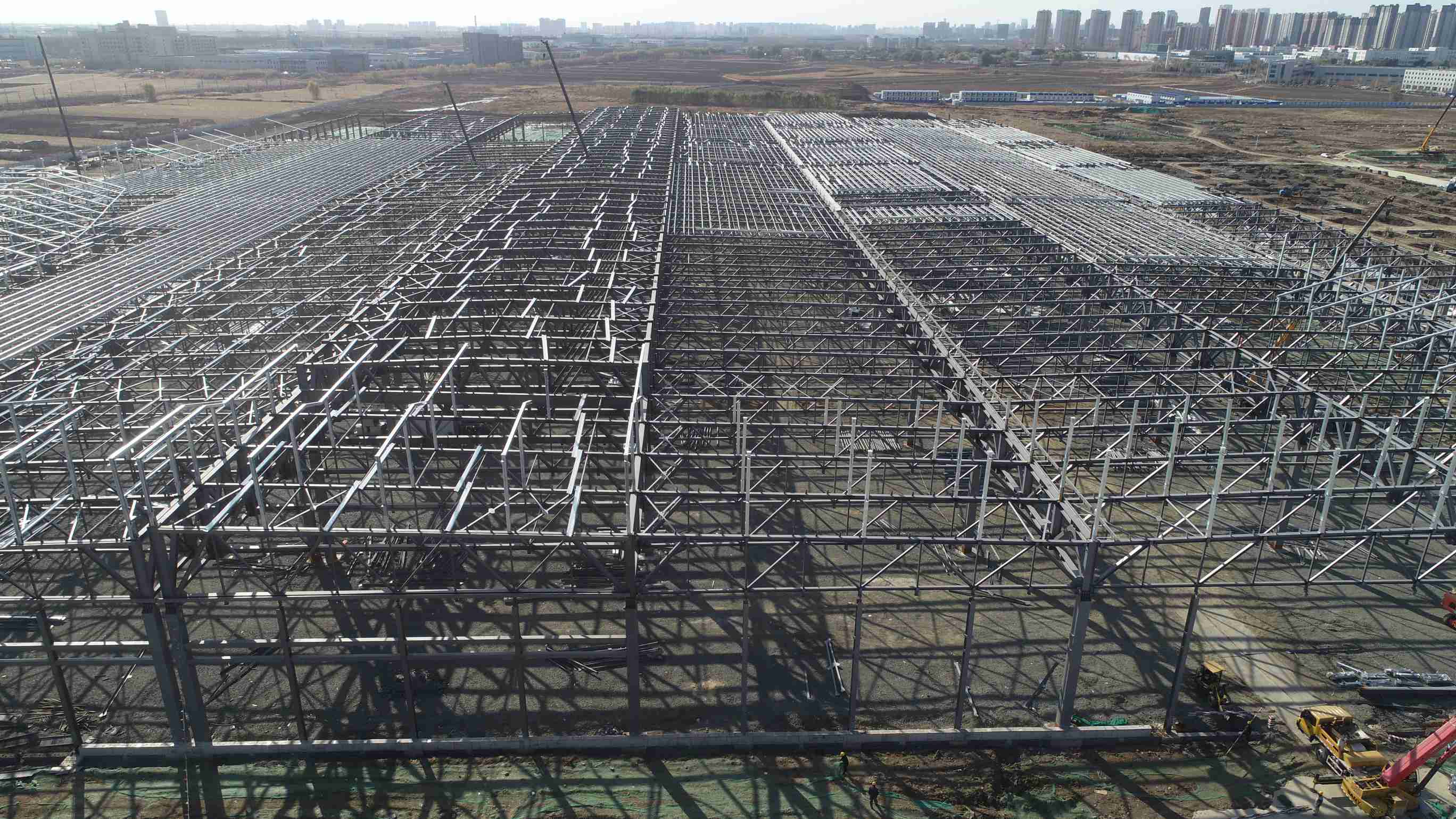
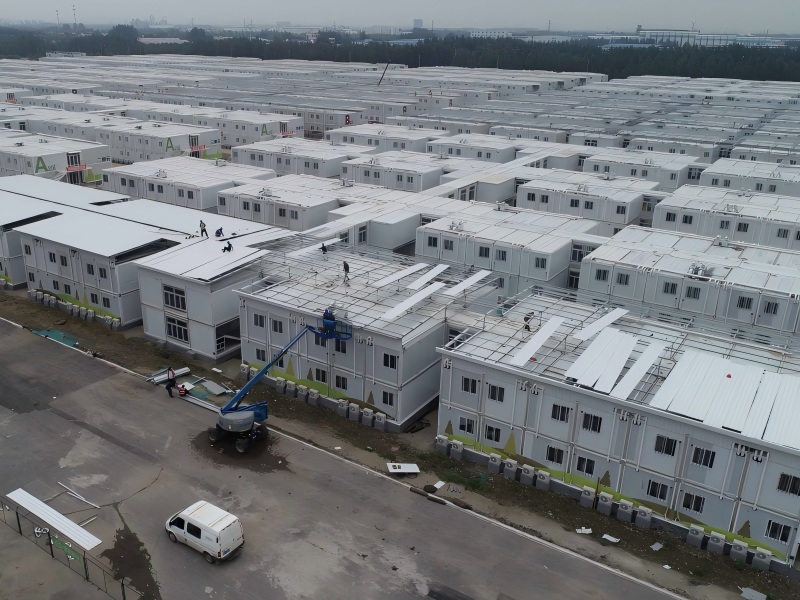
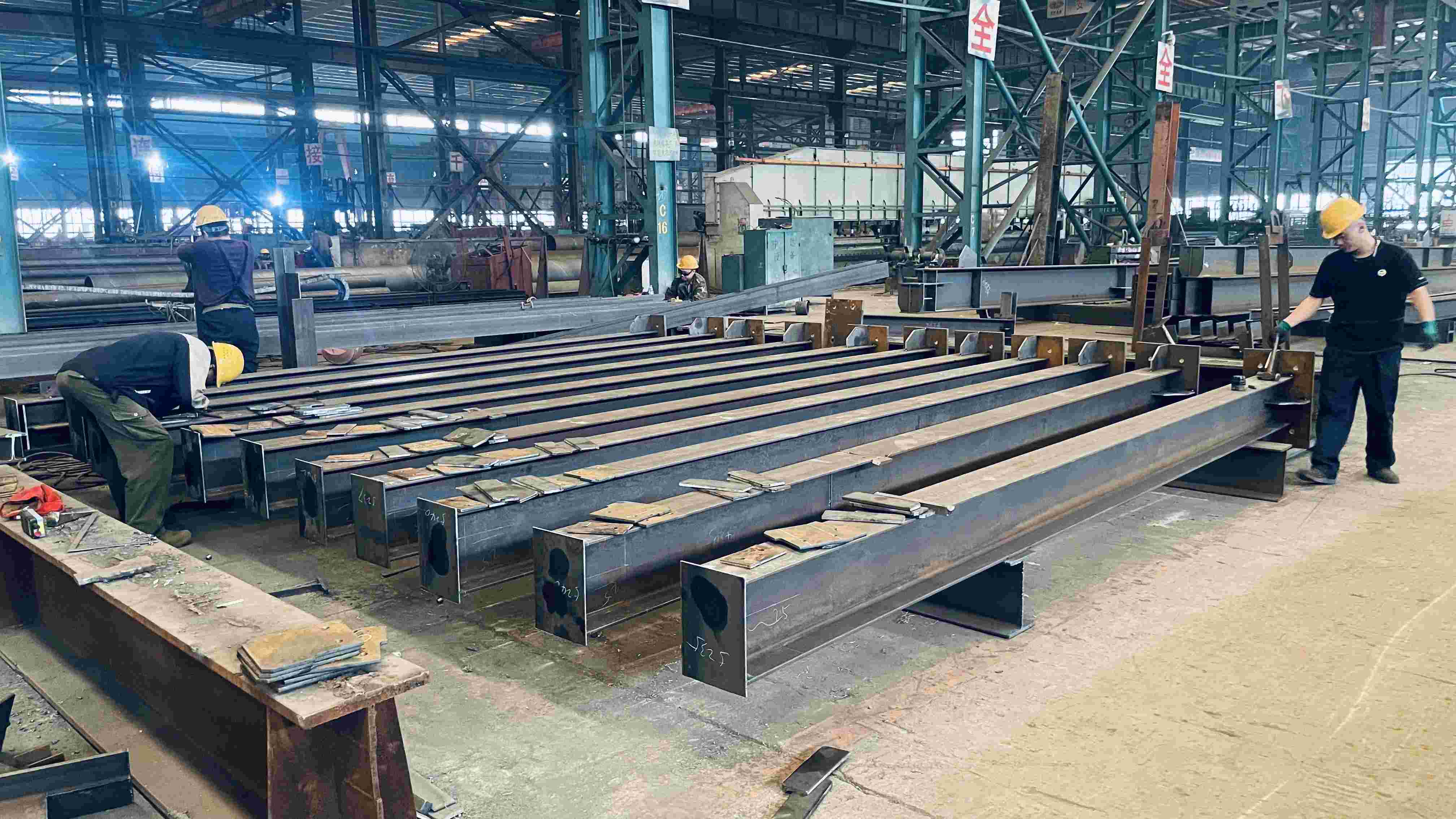
When it comes to compressive strength, while concrete is also quite strong, steel can hold its own. High - strength concrete can achieve compressive strengths of up to 100 MPa or more. However, structural steel can also have high compressive strength values. For instance, steel columns in high - rise buildings are designed to withstand massive compressive loads. In a multi - story commercial building project in New York City, steel columns were able to support the weight of the upper floors effectively, withstanding compressive stresses well within their design limits. The key advantage of steel in this regard is its ability to be fabricated into various shapes and sizes, allowing for more efficient load - bearing configurations in different construction scenarios.
Ductility and Seismic Performance
Steel's ductility gives it an edge, especially in seismic - prone regions. Ductility refers to a material's ability to deform plastically before failure. Steel can deform significantly under stress, absorbing energy in the process. During the 1995 Kobe earthquake in Japan, many steel - framed buildings remained standing or suffered only minor damage, while a large number of concrete - framed buildings collapsed. Steel - framed structures can better withstand the lateral forces generated by earthquakes due to their ductility. This is crucial for prefab metal workshop s and prefab metal shop building s in such regions, as it ensures the safety of the structure and its occupants.
Long - Term Durability and Maintenance
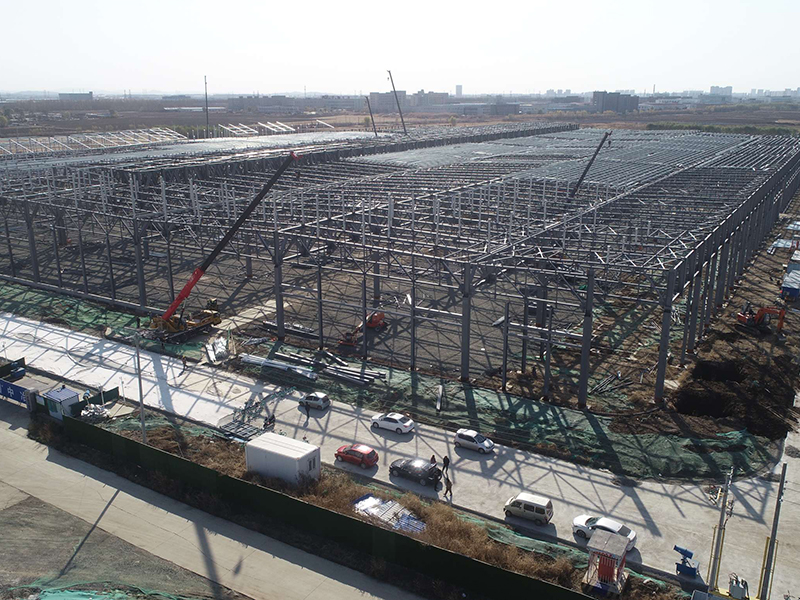
Corrosion in Steel
Steel is susceptible to corrosion, but with proper protection, this can be mitigated. Galvanizing, for example, involves coating steel with a layer of zinc. A hot - dip galvanized coating can provide long - lasting protection. According to industry standards, a properly galvanized steel structure can last up to 50 years or more in a normal outdoor environment without significant corrosion. In coastal areas, where the salt - laden air can accelerate corrosion, additional protective measures such as using stainless steel or applying specialized anti - corrosion coatings can be employed.
Durability of Concrete
Concrete, on the other hand, is generally more resistant to environmental factors in terms of corrosion. However, it can be affected by factors like freeze - thaw cycles, chemical attacks from substances in the soil or groundwater, and the presence of chlorides. For example, in regions with cold winters, if concrete is not properly designed and protected, it can crack due to the expansion of water when it freezes within the pores of the concrete.
FAQs
Q: Can steel structures be as fire - resistant as concrete structures?
A: Concrete has inherent fire - resistant properties. It can withstand high temperatures for a relatively long time without significant loss of strength. Steel, on the other hand, loses strength at high temperatures. But with the use of fire - resistant coatings or encasement in fire - resistant materials like concrete or gypsum boards, steel structures can achieve similar fire - resistance ratings. For example, a steel - framed building can be designed to have a fire - resistance rating of up to 3 hours, similar to many concrete - framed buildings, through the appropriate application of fire - protection measures.
Q: Which is more cost - effective for a small - scale prefab metal shop building?
A: For a small - scale prefab metal shop building, the cost - effectiveness depends on various factors. Steel structures often have a higher upfront material cost, but their faster construction time can offset this. If the project is in an area where labor costs are high, the quicker construction of a steel - framed building can save on labor expenses. Concrete structures may have lower material costs in some regions, but the longer construction time, especially if it involves on - site casting, can increase overall costs. Additionally, the need for formwork in concrete construction can add to the cost.
Tips for Promoting Your Steel - Related Content
Use Visuals: Incorporate high - quality images and 3D models of steel and concrete structures on your independent site. A study by [reputable marketing research firm] shows that web pages with relevant visuals receive 40% more engagement. For example, show a side - by - side comparison of a steel - framed and a concrete - framed prefab metal workshop to illustrate the differences.
Share Case Studies: Real - life examples are powerful. Share case studies of projects where the choice between steel and concrete was carefully considered. Highlight the reasons behind the choice, the challenges faced, and the final outcomes. This can build trust with your audience.
